


Bar Soap Manufacturers: Things You May Want to Know
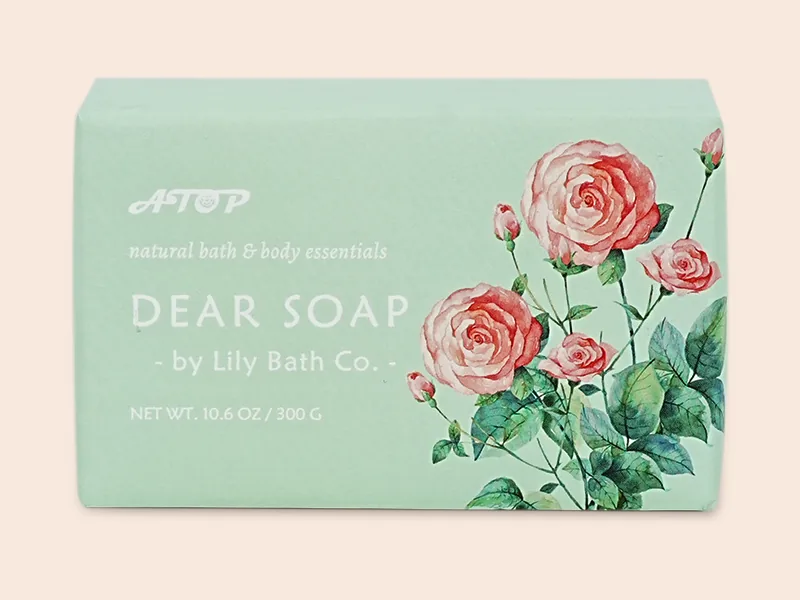
In the production of bar soap manufacturers, Lily Bath Commodity Company always pursuits the principle that product quality begins with the raw materials. All the raw materials are subjected to dual systematic inspection in our laboratories with the help of advanced testing equipment and our professional technicians. By adopting a series of material testings, we hope to provide customers with premium products of high quality.
Over the past years, we have built a loyal customer base in China through expanding the Lily Bath to the market. To keep our business growing, we expand internationally by delivering consistent brand positioning, which is by far the strongest driving force of our brand expansion. We have established a homogenous brand image in the minds of customers and kept consistent with our brand messaging to maximize our strength in all markets.
The most comprehensive, sincere and patient service is delivered to customers through Lily Bath for better promoting bar soap manufacturers and gain trust.
Available in different sizes and dimensions, our bar soap manufacturers can be customized as per the requirements of our clients.
In a world where environmental sustainability is increasingly becoming a top priority, it is imperative to analyze the practices of all industries, including beauty and skincare. This article delves into the environmental practices of face care manufacturers, exploring their efforts towards reducing their carbon footprint, promoting ethical sourcing, and implementing eco-friendly packaging. Join us as we uncover the steps being taken by these companies to protect our planet and make more informed choices for our skincare routines.- Importance of Sustainable Practices in Face Care ManufacturingIn today's beauty industry, the demand for skincare products is constantly growing, leading to an increase in the number of face care manufacturers. However, with this rise in production comes a responsibility to prioritize sustainability practices in order to minimize the environmental impact of manufacturing processes. Face care manufacturers play a crucial role in promoting sustainable practices in the beauty industry. By ensuring that their production methods are environmentally friendly, these manufacturers can reduce carbon emissions, conserve water resources, and minimize waste generation. This not only benefits the environment but also resonates with consumers who are becoming increasingly conscious of the impact their purchases have on the planet. One of the key aspects of sustainability in face care manufacturing is the sourcing of raw materials. Many manufacturers are now opting for organic and natural ingredients that are grown and harvested in a sustainable manner. This not only helps to protect biodiversity but also ensures that the ingredients are free from harmful chemicals that could potentially harm both the environment and the skin of consumers. In addition to sourcing sustainable ingredients, face care manufacturers are also implementing energy-efficient processes in their production facilities. This includes using renewable energy sources such as solar or wind power, as well as optimizing machinery and equipment to reduce energy consumption. By taking these measures, manufacturers can significantly reduce their carbon footprint and contribute to the fight against climate change. Water conservation is another important focus for face care manufacturers looking to improve their sustainability practices. Many manufacturers are now implementing water recycling systems in their facilities, allowing them to reuse water for multiple processes and minimize water wastage. Additionally, some manufacturers are exploring ways to reduce water usage in their formulations, such as creating more concentrated products that require less water during production. Waste management is also a key consideration for face care manufacturers striving to be more sustainable. Many manufacturers are implementing recycling programs in their facilities to ensure that materials such as packaging, paper, and plastic are reused or repurposed whenever possible. Some manufacturers are even finding innovative ways to upcycle waste materials into new products, further reducing their environmental impact. In conclusion, the importance of sustainable practices in face care manufacturing cannot be overstated. By prioritizing sustainability in all aspects of their operations, face care manufacturers can not only reduce their environmental impact but also meet the growing demand for eco-friendly products from consumers. It is essential for manufacturers to continue to innovate and collaborate with other stakeholders in the beauty industry to drive positive change and create a more sustainable future for all.- Common Environmental Concerns in the Beauty IndustryThe beauty industry has long been a source of concern when it comes to its impact on the environment. From the use of harmful chemicals in beauty products to the enormous amount of waste generated by packaging, there are numerous environmental issues that need to be addressed by face care manufacturers. One of the most common environmental concerns in the beauty industry is the use of harmful chemicals in face care products. Many popular skincare brands use ingredients that have been linked to various health issues, as well as environmental damage. These chemicals can leach into the soil and waterways, causing harm to wildlife and ecosystems. In recent years, there has been a push for face care manufacturers to use more natural and sustainable ingredients in their products. Another major environmental concern in the beauty industry is the amount of waste generated by packaging. The beauty industry is notorious for its excessive use of plastic packaging, which often ends up in landfills or oceans. Many face care manufacturers are now exploring alternative packaging options, such as biodegradable materials or refillable containers, in an effort to reduce their environmental impact. In addition to harmful chemicals and packaging waste, the beauty industry also contributes to carbon emissions through the production and transportation of products. Face care manufacturers are beginning to take steps to reduce their carbon footprint by sourcing local ingredients, using renewable energy sources in their facilities, and offsetting their emissions through carbon offset programs. Overall, the environmental practices of face care manufacturers are becoming increasingly important as consumers become more conscious of the impact of their purchasing decisions. Many consumers are now seeking out eco-friendly and sustainable skincare products, putting pressure on manufacturers to improve their environmental practices. By making small changes, such as using natural ingredients, reducing packaging waste, and lowering carbon emissions, face care manufacturers can make a positive impact on the environment and create a more sustainable beauty industry for the future. It is essential for manufacturers to prioritize environmental practices in order to protect the planet and ensure a healthier future for generations to come.- Steps Manufacturers Can Take to Reduce Environmental ImpactIn today's society, there is an increasing emphasis on the importance of sustainability and reducing environmental impact. This is especially true in the beauty industry, where consumers are becoming more conscious about the products they use and the practices of the manufacturers behind them. Face care manufacturers, in particular, play a significant role in this movement as they produce a wide range of products that are used daily by millions of people around the world. There are a number of steps that face care manufacturers can take to reduce their environmental impact. One of the most important ways is by sourcing ingredients responsibly. This means using sustainable and ethically sourced ingredients that do not harm the environment or the communities where they are sourced. Additionally, face care manufacturers can also reduce waste by using recyclable and biodegradable packaging materials. This helps to minimize the amount of waste that ends up in landfills and oceans, and also reduces the overall carbon footprint of the products. Another important aspect of reducing environmental impact for face care manufacturers is to minimize water usage in their production processes. Water is a precious resource that is often wasted in the manufacturing of beauty products. By implementing water-saving technologies and practices, manufacturers can significantly reduce their water usage and lessen their impact on the environment. In addition, face care manufacturers can also look into using renewable energy sources in their manufacturing processes. This includes using solar or wind power to reduce their reliance on fossil fuels and lower their carbon emissions. Furthermore, face care manufacturers can also choose to work with suppliers that have their own sustainability practices in place. This includes suppliers that follow fair labor practices, reduce their own environmental impact, and support local communities. By partnering with sustainable suppliers, face care manufacturers can ensure that their entire supply chain is aligned with their commitment to reducing environmental impact. In conclusion, face care manufacturers have a significant role to play in reducing their environmental impact. By sourcing ingredients responsibly, reducing waste, minimizing water usage, using renewable energy sources, and working with sustainable suppliers, manufacturers can make a positive impact on the environment and contribute to a more sustainable future. Consumers are increasingly looking for products that align with their values, and face care manufacturers that prioritize sustainability will not only reduce their environmental impact but also attract a growing number of environmentally-conscious consumers.- Certification Programs for Eco-Friendly Face Care ProductsCertification Programs for Eco-Friendly Face Care Products In today's world, consumers are becoming increasingly concerned about the environmental impact of the products they use, including face care products. As a result, many face care manufacturers are turning to eco-friendly practices to appeal to environmentally-conscious consumers. One way they are doing this is by obtaining certifications for their products through various certification programs. One of the most well-known certification programs for eco-friendly face care products is the Environmental Working Group's (EWG) Skin Deep database. This database rates the safety of cosmetic products based on their ingredients, taking into account factors such as toxicity and environmental impact. Face care manufacturers can submit their products to be evaluated by the EWG, and if they meet the organization's strict criteria, they will receive a certification indicating that their products are safe and environmentally-friendly. Another popular certification program for eco-friendly face care products is the Leaping Bunny program, which is run by the Coalition for Consumer Information on Cosmetics (CCIC). This program certifies that products are cruelty-free and do not contain any animal-derived ingredients. Face care manufacturers that obtain the Leaping Bunny certification can proudly display the program's logo on their products, letting consumers know that they are committed to ethical and environmentally-responsible practices. In addition to these well-known certification programs, there are also a number of smaller, niche certification programs that face care manufacturers can participate in. For example, the Organic Materials Review Institute (OMRI) certifies products that are made with organic ingredients, while the Sustainable Packaging Coalition certifies products that are packaged in environmentally-friendly materials. By obtaining certifications from these programs, face care manufacturers can demonstrate their commitment to sustainability and attract environmentally-conscious consumers. However, obtaining certifications for eco-friendly face care products is not always easy. Manufacturers must meet strict criteria and adhere to stringent guidelines in order to qualify for these certifications. This can involve sourcing ingredients from sustainable suppliers, using renewable energy in their production processes, and reducing waste and pollution. While these practices can be costly and time-consuming, they are essential for face care manufacturers that want to appeal to environmentally-conscious consumers. Overall, the environmental practices of face care manufacturers are becoming increasingly important in today's market. By obtaining certifications for their products through programs like the EWG Skin Deep database and the Leaping Bunny program, manufacturers can demonstrate their commitment to sustainability and attract environmentally-conscious consumers. While the process of obtaining these certifications may be challenging, the rewards are well worth it in terms of both environmental impact and consumer trust.- Consumer Awareness and Demand for Sustainable Beauty BrandsConsumer awareness and demand for sustainable beauty brands has been on the rise in recent years, prompting face care manufacturers to reevaluate their environmental practices and make changes to meet the evolving needs of their customers. In a competitive industry where innovation and marketing play a significant role in product success, face care manufacturers are now faced with the challenge of balancing product efficacy with sustainable practices. Consumers are becoming increasingly aware of the impact that their beauty products have on the environment, and are demanding more transparency and accountability from the brands they purchase from. One of the key factors driving this shift towards sustainability is the growing concern over plastic pollution and its impact on the planet. Many face care products come packaged in single-use plastic bottles and containers, which often end up in landfills or oceans, harming wildlife and ecosystems. In response to this, some face care manufacturers have started using more eco-friendly packaging materials, such as glass and recycled plastics, to reduce their environmental footprint. Additionally, consumers are also becoming more conscious of the ingredients used in their beauty products, and their potential impact on both their health and the environment. Face care manufacturers are now under pressure to use more natural and organic ingredients in their formulations, as well as to source them ethically and sustainably. This includes using ingredients that are not tested on animals, as well as avoiding harmful chemicals and additives. Another aspect of sustainability that face care manufacturers are focusing on is their manufacturing processes. Many companies are now implementing energy-efficient practices in their production facilities, such as using renewable energy sources and reducing water consumption. Some manufacturers are also investing in research and development to create more sustainable formulations that are biodegradable and non-toxic. Overall, the shift towards sustainability in the face care industry is a positive trend that benefits both the environment and consumers. As consumer awareness continues to grow, face care manufacturers will need to adapt their practices to meet the evolving demands of their customers. By prioritizing sustainability, these manufacturers can not only reduce their environmental impact but also build trust and loyalty with consumers who are increasingly prioritizing ethical and eco-friendly brands.ConclusionIn conclusion, it is clear that the environmental practices of face care manufacturers play a crucial role in both the beauty industry and the health of our planet. By implementing sustainable practices such as using renewable resources, reducing waste, and sourcing ethically, these manufacturers can make a positive impact on the environment. It is important for consumers to be aware of these practices and support companies that prioritize sustainability. Together, we can work towards a greener and more eco-friendly future for the beauty industry. Let's all do our part in protecting our planet and making conscious choices when it comes to the products we use on our skin.
** Unveiling the Secrets of Cosmetic Manufacturing** Have you ever wondered what goes on behind the scenes of your favorite beauty products? From the alluring scents of perfumes to the vibrant hues of lipsticks, the world of cosmetics is a complex tapestry woven with artistry, science, and meticulous craftsmanship. In our comprehensive "Guide to Understanding the Production Process of Cosmetic Manufacturers," we delve deep into the intricate journey of how these products are brought to life—from initial concept and formulation to packaging and distribution. Whether you're a beauty enthusiast, a budding entrepreneur, or simply curious about the cosmetics you use every day, our guide will provide you with invaluable insights into the industry. Join us as we explore the fascinating processes that transform raw ingredients into the luxurious products we adore, shedding light on everything from regulatory standards to innovative technologies. Discover the hidden efforts that go into ensuring quality and safety in the beauty industry, and unlock the mysteries of the production process that shape the cosmetics we can't live without. Dive in and let your journey into the world of cosmetic manufacturing begin!Key Components of the Cosmetic Production Process### Key Components of the Cosmetic Production Process The intricate world of the cosmetic industry is buoyed by a robust framework of production processes that ensure quality, safety, and efficacy in every product. Cosmetic manufacturers operate within this multi-faceted environment, integrating various key components that bring products from the conception stage to consumers’ hands. Understanding these components is crucial, both for aspiring cosmetic brands and consumers who wish to grasp the complexities behind their favorite beauty products. #### 1. Research and Development (R&D) The first step in the cosmetic production process lies in Research and Development, where concepts evolve into viable products. Cosmetic manufacturers invest heavily in R&D to innovate formulations that align with market trends and consumer needs. This phase encompasses thorough market research, ingredient selection, and formulation trials. In R&D, a team of chemists and product developers strive to create formulations that can address specific skincare concerns, such as anti-aging or sensitivity. They experiment with various combinations of active and inactive ingredients while adhering to safety regulations. This segment of the production process often includes extensive testing to ensure that products perform as intended and are free from allergens and irritants. #### 2. Sourcing of Raw Materials Once formulations are finalized, the next critical component is the sourcing of raw materials. Cosmetic manufacturers must source high-quality ingredients that meet regulatory standards. These materials can range from natural plant extracts and essential oils to synthetic compounds that facilitate product stability and efficacy. Sourcing plays a vital role as it directly affects the final product's quality and sustainability. Many cosmetic manufacturers are now adopting ethical sourcing practices, which not only consider the materials' efficacy but also their environmental impact. This includes selecting suppliers who engage in sustainable practices and ensuring that ingredients are ethically harvested. Certification from organizations like Ecocert or Leaping Bunny can enhance the credibility of the sourcing process, appealing to environmentally conscious consumers. #### 3. Formulation and Testing With ingredients in hand, the next step is formulation, where chemists work meticulously to blend the various components of the product. This stage can involve emulsification, stabilization, and pH adjustments to achieve the desired texture, color, and scent. The formulation process is a fine art that balances aesthetics and functionality while remaining aligned with the product’s marketing proposition. After formulation, rigorous testing is paramount. Cosmetic manufacturers subject products to various tests, including stability testing—ensuring that the product maintains its quality over time under different conditions—and efficacy testing to verify claims made on the label, such as "moisturizing" or "wrinkle-reducing." Sensory evaluations are often undertaken to assess the product's sensory qualities, ensuring a pleasant user experience. #### 4. Production Scale-Up Once formulations have passed all tests, the production scale-up can commence. This is where small laboratory batches of cosmetics transition to large-scale manufacturing. Here, quality control becomes paramount, as cosmetic manufacturers must ensure that each batch adheres to the established benchmarks of quality and consistency. The production facility is equipped with advanced manufacturing technologies that automate processes like mixing, filling, and packaging. Typically, manufacturers operate under stringent Good Manufacturing Practices (GMP) that govern every aspect of production, from cleanliness protocols to equipment calibration. #### 5. Quality Assurance Quality assurance is a continuous process that runs parallel to production. Here, cosmetic manufacturers deploy systematic checks and balances to guarantee that products meet predefined quality standards throughout the production timeline. This component involves a series of inspections and documentation procedures that address everything from raw ingredient quality to the final packaging of the product. Regulatory compliance is an essential aspect of quality assurance in the cosmetic industry due to the diverse regulations across different countries. Components such as labeling requirements, ingredient restrictions, and product safety testing are monitored to ensure full compliance, thereby safeguarding consumer health. #### 6. Packaging and Labeling Once the products are manufactured, they are packaged and labeled. Packaging plays a crucial role, not only in protecting the product but also in attracting consumers through innovative designs. Eco-friendly packaging is gaining traction as more cosmetic manufacturers opt for sustainable materials that reflect the rising demand for environmentally responsible products. Labeling is equally significant, as it provides essential information about the product's ingredients, usage instructions, and claims. Transparency in labeling builds trust with consumers, who are increasingly aware of what they apply to their skin. #### 7. Distribution and Marketing The final component of the cosmetic production process involves distribution and marketing. Manufacturers leverage various channels—retail, e-commerce, and social media—to reach their target audience. Effective marketing strategies are crucial for establishing brand recognition and driving sales, as the cosmetic market is continually evolving. By understanding these key components of the cosmetic production process, stakeholders gain insight into the measures taken to deliver high-quality beauty products. Each step reflects a commitment to excellence that cosmetic manufacturers strive to uphold, ensuring that consumers enjoy safe and effective products tailored to their diverse needs.From Concept to Creation: The Journey of Cosmetic Products### From Concept to Creation: The Journey of Cosmetic Products The world of cosmetics is a dynamic and intricate landscape where creativity meets science. At the heart of this journey is the role of cosmetic manufacturers, who transform imaginative ideas into tangible products that enhance beauty and self-expression. Understanding this transformation—from an initial concept to the final product on the shelf—requires an exploration of several key stages in the production process. #### Ideation: The Birth of a Concept Every cosmetic product starts with an idea, whether it’s a revolutionary formula for a foundation that adapts to skin tones or an innovative eco-friendly packaging solution. These concepts often arise from market research, consumer feedback, and trends in the beauty industry. Cosmetic manufacturers invest heavily in understanding current market dynamics to identify gaps in the market, emerging needs, and consumer preferences. This stage is collaborative, often involving cross-functional teams that include marketing specialists, product developers, and chemists who collectively refine product ideas. In recent years, there has been a significant shift toward sustainability in the beauty industry. Concepts that emphasize clean ingredients, cruelty-free testing, and environmentally friendly packaging have risen in prominence. Cosmetic manufacturers are crucial in not only keeping up with these trends but also pioneering new practices that align with consumer values. #### Research and Development: Creating the Formula Once the concept takes shape, the research and development (R&D) phase begins. This is where the technical expertise of cosmetic manufacturers comes into play. Chemists work rigorously to formulate products that meet the desired performance specifications while ensuring safety and compliance with regulatory standards. This stage involves creating multiple iterations of a formula, conducting stability testing, and ensuring that the product is effective and safe for consumer use. The R&D team selects ingredients based on their efficacy, texture, scent, and stability, always keeping an eye on the end consumer's experience. For instance, in developing a moisturizer, a cosmetic manufacturer must consider various factors, such as how the product feels on the skin, its absorption rate, and whether it is suitable for different skin types. #### Testing and Regulation: Ensuring Safety and Compliance Testing is a crucial part of the journey from concept to creation, making the role of cosmetic manufacturers even more pivotal. Before a product can reach the market, it must undergo rigorous testing to determine its safety and efficacy. This may include dermatological testing, stability tests, and safety assessments. In many countries, regulatory compliance is critical—cosmetic manufacturers must navigate complex legal frameworks that dictate what ingredients can be used and how products should be marketed. This governance ensures that consumers are protected from harmful chemicals and that the claims made by manufacturers are substantiated. For example, a makeup product marketed as “hypoallergenic” must undergo specific tests to validate such claims. #### Production: Scaling Up Once the formula is refined and approved through testing, the production phase begins. This is where concepts become reality on a large scale. Cosmetic manufacturers utilize sophisticated machinery and skilled labor to produce products consistently and efficiently. The manufacturing process often includes blending, filling, labeling, and packaging, all of which must be executed under strict quality control measures to ensure each product meets the established standards. The scale of production will depend on demand forecasting, which is another critical aspect of planning for cosmetic manufacturers. Brands often rely on these manufacturers to predict trends and allocate resources efficiently to meet market needs without overshooting inventory. #### Packaging and Marketing: Bringing Products to Market Once products are manufactured, attention turns toward packaging. This stage is not merely about aesthetics—though packaging certainly plays a significant role in consumer attraction—but also functionality. Packaging must be designed with user experience in mind; it should protect the product, facilitate ease of use, and convey the brand’s message effectively. Once the product is ready, a robust marketing strategy is essential for a successful launch. Cosmetic manufacturers often work closely with brands to develop campaigns that generate excitement and awareness about the new product. This phase includes influencing social media marketing, sampling programs, and collaborations with beauty influencers to maximize reach and engagement. #### Distribution: Making Products Available Finally, the journey culminates in distribution, where cosmetic products find their way to retailers and ultimately, consumers. This requires meticulous logistics and supply chain management, ensuring that products are delivered on time and in perfect condition. Cosmetic manufacturers must efficiently manage this process to meet the demand and expectations of the market. Ultimately, the journey from concept to creation is a multifaceted process that reflects the evolving needs of consumers and the innovation capabilities of cosmetic manufacturers. Each phase is critical in delivering quality products that not only enhance beauty but also prioritize safety, sustainability, and ethical practices in the beauty industry. The relationship between ideation, formulation, production, and marketing exemplifies the complex but fascinating world of cosmetic manufacturing, paving the way for the next wave of beauty products.Quality Control Measures in Cosmetic Manufacturing### Quality Control Measures in Cosmetic Manufacturing In the world of cosmetic manufacturing, quality control is an indispensable cornerstone that ensures safety, efficacy, and compliance with regulatory standards. The cosmetic industry is vast and diverse, spanning from skincare and haircare products to color cosmetics and fragrances. With the increased demand for innovative formulations and sustainable practices, cosmetic manufacturers face numerous challenges that necessitate the implementation of robust quality control measures throughout the entire production process. Quality control in cosmetic manufacturing typically begins with raw material selection. Manufacturers must source ingredients from reputable suppliers who adhere to Good Manufacturing Practices (GMP). This initial stage involves not only the assessment of the physical and chemical properties of the ingredients but also their authenticity and contaminant-free certification. Quality control teams might conduct thorough testing of raw materials for microbiological stability and toxicity, which serves to mitigate any potential risks in the final product. Once raw materials are approved, the production phase commences. Here, quality control measures are highly integrated into each step of the manufacturing process. For instance, during formulation, cosmetic manufacturers employ strict batching procedures to ensure that each product meets predetermined specifications. Parameters such as temperature, pH, and viscosity are meticulously monitored using advanced instrumentation. The consistency of formulas is paramount, especially when variations can lead to product failure in the market. In addition to monitoring during formulation, in-process quality checks are vital. These checks allow manufacturers to identify deviations in real time, which can be addressed swiftly to prevent rework or wastage. At this stage, quality control personnel may conduct a series of inspections, including visual examinations and lab testing, to confirm that the products comply with the required standards and specifications. This proactive approach not only ensures compliance with internal quality benchmarks but also aligns with external regulatory frameworks imposed by organizations such as the FDA or EU Cosmetic Regulation. Once the products are manufactured, they undergo a rigorous finishing process that includes packaging and labeling. Quality control measures at this stage focus on ensuring that packaging materials are safe and that they function effectively to preserve the integrity of the products. Tests are performed to check for leakage, adherence of labels, and any potential interactions between the product and packaging materials. Packaging is more than just aesthetics; it plays a critical role in product stability and safety, factors that can greatly influence consumer trust and brand reputation. After packaging, finished products are subject to final inspection and testing. This stage typically involves a comprehensive quality assurance program that evaluates aspects such as shelf life, stability, and performance under various conditions. Manufacturers must conduct accelerated stability testing to simulate longer storage periods and varying environmental conditions, ensuring that the products retain their quality and efficacy over time. This exhaustive process is vital to confirm that all products adhere to safety and quality standards before they reach the market. An essential component of quality control in cosmetic manufacturing is compliance with regulatory requirements, which can vary by region. Regulatory frameworks govern not only the ingredients used but also the claims that can be made about the products. Manufacturers must maintain meticulous records of all quality control testing and processes, creating traceability from raw materials to finished products. This documentation serves as an essential tool for audits and inspections, ensuring transparency and accountability in the manufacturing process. Moreover, cosmetic manufacturers are increasingly adopting quality management systems (QMS) based on international standards such as ISO 9001. Implementing a QMS allows for a systematic approach to managing quality and improving processes. By doing so, manufacturers can enhance their ability to deliver consistent products while also fostering a culture of continuous improvement within their organizations. In conclusion, quality control measures in cosmetic manufacturing are multifaceted and crucial in delivering safe, effective, and compliant products. From the careful selection of raw materials to the stringent testing of finished products, every stage of the production process is interwoven with quality assurance practices that safeguard consumer health and bolster brand integrity. As the cosmetic industry continues to evolve, particularly in the realms of innovation and sustainability, quality control will remain a pivotal focus area for manufacturers committed to excellence.Sustainable Practices in the Cosmetic Industry### Sustainable Practices in the Cosmetic Industry Sustainability has emerged as a crucial theme in countless industries, and the cosmetic sector is no exception. With growing consumer awareness regarding environmental concerns, and the ethical sourcing of ingredients, cosmetic manufacturers are increasingly adopting sustainable practices to align with the values of eco-conscious consumers. The transition toward sustainability in the cosmetics sector encapsulates a broad spectrum of practices, from sourcing raw materials and manufacturing processes to packaging and distribution. #### Ethical Sourcing of Ingredients One of the foremost aspects of sustainability in the cosmetic industry is the ethical sourcing of ingredients. Cosmetic manufacturers are increasingly mindful of the impact their raw materials have on the environment and local communities. This involves selecting natural, organic, and sustainably sourced ingredients that minimize environmental impact while supporting biodiversity. Brands that adhere to fair trade principles ensure that they do not exploit communities that produce these ingredients. For instance, sourcing shea butter from cooperatives in West Africa not only provides economic support to local women but also protects the ecosystems from overharvesting. Moreover, many cosmetic manufacturers are moving away from synthetic chemicals and harmful additives in favor of plant-based alternatives. The trend toward using ingredients such as botanical extracts, essential oils, and biodegradable substances reduces not only the environmental footprint but also potential health risks for consumers. This shift is part of a broader movement towards “clean beauty,” where product transparency and ingredient integrity are paramount. #### Sustainable Production Processes The production processes employed by cosmetic manufacturers are critical in determining the overall sustainability of their products. Modern manufacturers are investing in innovative technologies and practices that reduce energy consumption and waste throughout the production cycle. Utilizing renewable energy sources, such as solar or wind power, allows manufacturers to produce their products while minimizing their carbon footprint. By implementing energy-efficient machinery and optimizing production techniques, many companies have reported substantial reductions in emissions and overall energy use, making their operations more environmentally friendly. Additionally, waste reduction practices such as closed-loop systems are gaining traction in the cosmetic industry. These systems allow manufacturers to recycle water used in production, minimizing water usage and waste. Furthermore, by analyzing waste streams for potential recycling or upcycling opportunities, cosmetic manufacturers can significantly reduce landfill contributions. Initiatives like zero-waste production aim to eliminate all waste generated during the manufacturing process, representing a shift towards a more circular economy in cosmetics. #### Eco-Friendly Packaging Solutions A significant portion of the environmental impact of cosmetics comes not from the products themselves but from their packaging. Sustainable packaging is an area where cosmetic manufacturers can make substantial changes. The move towards minimal and recyclable packaging has become a priority for many brands. This includes adopting materials such as glass, recycled plastics, and biodegradable options that are less harmful to the environment. Moreover, many cosmetic companies are designing refillable packaging systems to further reduce waste. Consumers are encouraged to return their empty containers for refills, which not only saves resources but also fosters brand loyalty and encourages a culture of sustainability. By promoting the use of embracing reusable containers and designing innovations around them, cosmetic manufacturers engage consumers in the sustainability conversation while promoting responsible consumption practices. #### Commitment to Animal Welfare and Testing Alternatives Another important facet of sustainability in the cosmetic industry is the commitment to ethical treatment of animals. Many cosmetic manufacturers are now refusing to engage in animal testing, not only complying with regulations in various countries but also adhering to their ethical stance on animal welfare. By utilizing alternative testing methods, such as in vitro testing and computer modeling, brands can ensure that their products are safe and effective without relying on outdated practices that harm animals. This aligns with consumer desires for ethical products and demonstrates a holistic approach to sustainability in cosmetics. #### Consumer Education and Community Engagement Finally, the responsibility of fostering sustainable practices doesn’t rest solely on manufacturers; consumers play a vital role too. Increasingly, cosmetic brands invest in consumer education, sharing information about their sustainable practices, the importance of eco-friendly choices, and how customers can contribute to sustainability. Engaging customers through transparency about sourcing, manufacturing, and packaging processes; hosting workshops; or collaborating with environmental organizations helps establish a community around those values. Through these concerted efforts, cosmetic manufacturers are not only enhancing their brand integrity but are also driving meaningful change within the beauty industry. Sustainability in cosmetics represents a commitment to the future, ensuring products are not only beautiful and effective but also kind to the planet and its inhabitants. As these practices solidify and evolve, the cosmetic industry stands to become a significant player in advancing global sustainability efforts.Regulatory Standards and Compliance for Cosmetic Products### Regulatory Standards and Compliance for Cosmetic Products In an industry as dynamic and expansive as cosmetics, the significance of regulatory standards and compliance cannot be overstated. Cosmetic manufacturers operate within a complex framework that governs the safety, efficacy, and ethical production of their products. This article delves into the critical elements of regulatory standards and compliance that shape the production process, ensuring that manufacturers adhere to legal requirements while safeguarding consumer health and fostering trust in their brands. At the heart of regulatory compliance for cosmetic products is the need to ensure consumer safety. Agencies such as the U.S. Food and Drug Administration (FDA), the European Commission, and various national authorities worldwide have established clear guidelines that cosmetic manufacturers must follow. In the United States, the FDA defines cosmetics as products intended for application on the body for cleansing, beautifying, promoting attractiveness, or altering appearance. However, these guidelines leave a significant amount of oversight to manufacturers themselves, creating a system of self-regulation that demands thorough knowledge and adherence to safety standards. An essential requirement for cosmetic manufacturers is the obligation to ensure that their products are safe for human use. This involves conducting thorough testing, including stability tests, microbiological tests, and irritation tests, to confirm that products do not produce adverse effects when applied as intended. Moreover, ingredients used must comply with regulations, which may include bans or limitations on certain substances known to be harmful to human health. For example, the European Union maintains a comprehensive list of restricted substances and prohibited ingredients, demanding vigilance from manufacturers in ingredient sourcing and formulation design. Labeling standards also play a critical role in regulatory compliance. Cosmetic manufacturers are required to provide accurate and clear information regarding the product's ingredients, usage directions, warnings, and claims. Misleading claims can not only result in regulatory action but can also damage consumer trust. As regulatory bodies increasingly scrutinize marketing practices, manufacturers must balance promotional strategies with truthful representations of their products. This aspect of compliance is not merely bureaucratic but pivotal in fostering transparency between manufacturers and consumers. Health claims related to cosmetic products are another area of strict regulation. Manufacturers must tread cautiously when making claims about the benefits of their products, as any assertion that a product can treat or prevent a disease can categorize it as a drug, subjecting it to more rigorous regulations and testing protocols. Consequently, cosmetic manufacturers need a sound grasp of both cosmetic and pharmaceutical regulations to navigate this grey area effectively. Failure to comply with these distinctions can lead to severe penalties. In addition to national regulations, many cosmetic manufacturers need to navigate international compliance standards, especially those involved in exporting products. Different countries have varying regulations, which may necessitate reorganizing formulations, testing protocols, and labeling to suit specific markets. For instance, manufacturers looking to enter the European market will need to comply with the Cosmetics Regulation (EC) No. 1223/2009, which stipulates particular safety assessments, product information files, and notification requirements through the Cosmetic Product Notification Portal (CPNP). The rise of environmental concerns and consumer demand for ethically produced products has also led to increased regulations surrounding sustainability and transparency in the sourcing of raw materials. Cosmetic manufacturers are increasingly expected to demonstrate compliance with environmental regulations, particularly regarding sustainable sourcing practices and reducing carbon footprints. As consumers become more environmentally conscious, manufacturers are responding by not only ensuring compliance but also integrating sustainability into their core business strategies. Finally, in today's digital age, the regulation of cosmetic manufacturers extends into the realms of online marketing and e-commerce. Social media platforms and influencer marketing have reshaped how products are marketed, and manufacturers must navigate a landscape where regulatory standards apply to online advertising. Failure to comply with advertising standards can result in investigations and penalties. In conclusion, understanding the regulatory standards and compliance protocols that govern cosmetic manufacturers is paramount for any entity involved in the production process. These frameworks ensure that products are safe, effectively labeled, and ethically produced, ultimately fostering a trustworthy relationship between manufacturers and consumers. With a landscape that is continually evolving, cosmetic manufacturers must remain diligent in their compliance efforts to navigate the intricate web of regulations that safeguard public health and maintain industry integrity.Conclusion** Navigating the Beauty of Production** In closing, understanding the production process of cosmetic manufacturers is not merely an academic endeavor; it is a gateway to appreciating the artistry, science, and ethics behind the products we use every day. From the meticulous selection of raw materials to the rigorous quality control measures, each step is a testament to the dedication of the manufacturers who strive to create safe and effective beauty solutions. By exploring the various stages of production—from formulation and testing to packaging and distribution—we gain valuable insights into the complexity and innovation that drive the cosmetics industry. Moreover, as consumers equipped with knowledge, we can make informed choices, supporting brands that prioritize sustainability, transparency, and ethical practices. As we continue to embrace and celebrate beauty in all its forms, let us advocate for a cosmetics industry that is not only innovative but also responsible and inclusive, ensuring that the allure of makeup comes with a commitment to the well-being of our planet and its people.
Lily is one of the best cosmetic manufacturers, emphasizing quality, sustainability, and continuous development.
Are you curious about the future of the cosmetic industry? Look no further than our latest article on “2025’s Leading Cosmetic Manufacturers Technologies.” Discover the cutting-edge advancements and innovations that will revolutionize the way beauty products are created and brought to market. Join us as we delve into the exciting world of cosmetic technology and explore the possibilities that lie ahead. Don’t miss out on this glimpse into the future of beauty manufacturing!Advanced Manufacturing TechniquesWhen it comes to the world of cosmetics, advancements in manufacturing techniques play a crucial role in shaping the industry. As we look towards the year 2025, it is important to recognize the leading cosmetic manufacturers that are embracing cutting-edge technologies to innovate and elevate their products. In this article, we will explore the advancements in manufacturing techniques that are revolutionizing the cosmetic industry and setting the stage for the future. 3D Printing in Cosmetic Manufacturing: One of the most innovative technologies making waves in the cosmetic industry is 3D printing. Cosmetic manufacturers are leveraging this advanced manufacturing technique to create customized products that cater to individual needs and preferences. From personalized lipstick shades to bespoke skincare formulations, 3D printing allows cosmetic manufacturers to bring a new level of customization to their products. This technology not only enhances the consumer experience but also streamlines production processes, leading to faster turnaround times and reduced waste. Robotics and Automation: Another key trend in advanced manufacturing techniques for cosmetic manufacturers is the integration of robotics and automation. Automated systems are revolutionizing the production process by increasing efficiency, precision, and consistency. Robots are being used to perform intricate tasks such as mixing ingredients, filling bottles, and packaging products with unmatched accuracy. By embracing robotics and automation, cosmetic manufacturers can significantly increase their production capacity while reducing human error and increasing overall product quality. Artificial Intelligence and Machine Learning: Artificial intelligence (AI) and machine learning are also playing a crucial role in revolutionizing cosmetic manufacturing processes. These advanced technologies enable cosmetic manufacturers to analyze vast amounts of data to optimize product formulations, predict consumer trends, and enhance supply chain management. AI-powered algorithms can identify patterns in consumer behavior and preferences, allowing manufacturers to develop targeted marketing strategies and create products that resonate with their target audience. Machine learning algorithms are also being used to improve product quality control and streamline production processes. Sustainable Manufacturing Practices: In addition to embracing advanced technologies, leading cosmetic manufacturers are also prioritizing sustainable manufacturing practices. This includes using environmentally friendly ingredients, reducing waste, and optimizing energy consumption. By adopting sustainable manufacturing practices, cosmetic manufacturers can not only minimize their environmental impact but also attract environmentally conscious consumers who are increasingly seeking eco-friendly beauty products. From biodegradable packaging to water-efficient production processes, sustainability is a key focus for cosmetic manufacturers looking to stay ahead of the curve in the industry. As we look towards 2025, it is clear that advanced manufacturing techniques are reshaping the cosmetic industry in unprecedented ways. From 3D printing and robotics to artificial intelligence and sustainable practices, cosmetic manufacturers are leveraging cutting-edge technologies to innovate and elevate their products. By embracing these advancements, cosmetic manufacturers are not only staying ahead of the competition but also setting the stage for a more sustainable and consumer-centric future in the beauty industry.Cutting-edge Materials and IngredientsIn the ever-evolving world of cosmetics, staying ahead of the curve is essential for cosmetic manufacturers to thrive. As we look ahead to 2025, the leading cosmetic manufacturers are focusing on cutting-edge materials and ingredients to drive innovation and meet the demands of consumers. From advanced skincare to game-changing makeup products, these manufacturers are at the forefront of technology and trends. One of the key aspects that sets these manufacturers apart is their dedication to researching and incorporating new materials into their products. This includes exploring the benefits of natural ingredients, such as plant-based extracts and essential oils, as well as synthetic materials that offer unique properties and benefits. By harnessing the power of these cutting-edge materials, cosmetic manufacturers are able to create products that are not only effective but also safe and sustainable. In addition to using innovative materials, leading cosmetic manufacturers are also leveraging advanced technologies in their production processes. This includes the use of automation and robotics to streamline manufacturing and reduce human error, as well as the integration of artificial intelligence and machine learning to optimize product development and formulation. By embracing these technologies, cosmetic manufacturers are able to create products that are not only high-quality but also cost-effective and efficient. Furthermore, these manufacturers are also focusing on sustainability and ethical sourcing in their ingredient selection. With consumers becoming increasingly conscious of the environmental impact of their beauty products, cosmetic manufacturers are turning to sustainable and cruelty-free materials to meet this demand. This includes sourcing ingredients from suppliers that adhere to ethical practices and reduce their carbon footprint, as well as using recyclable and biodegradable packaging to minimize waste. Overall, the leading cosmetic manufacturers of 2025 are at the forefront of innovation, combining cutting-edge materials, advanced technologies, and a focus on sustainability to create products that meet the needs and desires of today's consumers. By staying ahead of the curve and embracing the latest trends, these manufacturers are shaping the future of the beauty industry and setting new standards for quality and excellence.Innovative Product Development StrategiesInnovative Product Development Strategies for Cosmetic Manufacturers in 2025 As the beauty industry continues to evolve at a rapid pace, cosmetic manufacturers are constantly seeking innovative product development strategies to stay ahead of the curve and meet the ever-changing demands of consumers. In this article, we will explore some of the leading technologies that cosmetic manufacturers are utilizing in 2025 to drive product innovation and stay competitive in the market. One of the key technologies that cosmetic manufacturers are leveraging in 2025 is artificial intelligence (AI). AI has revolutionized the cosmetic industry by enabling manufacturers to analyze consumer data and trends more effectively, leading to the development of personalized beauty products tailored to individual needs and preferences. By using AI-powered algorithms, cosmetic manufacturers can now create products that cater to a diverse range of skin types, tones, and concerns, ultimately enhancing the overall customer experience. Another innovative technology that cosmetic manufacturers are adopting is 3D printing. 3D printing allows manufacturers to create intricate and unique designs for packaging, as well as produce innovative formulations with precision and efficiency. With 3D printing, cosmetic manufacturers can also customize products for individual customers, offering a more personalized and bespoke approach to beauty. In addition to AI and 3D printing, cosmetic manufacturers are also embracing green and sustainable technologies in their product development strategies. With growing consumer awareness around environmental issues, cosmetic manufacturers are increasingly focused on creating eco-friendly and sustainable products. From utilizing biodegradable packaging materials to sourcing natural and organic ingredients, cosmetic manufacturers are prioritizing sustainability in their product development processes to reduce their environmental footprint and appeal to eco-conscious consumers. Furthermore, cosmetic manufacturers are incorporating advanced skincare technologies into their product development strategies to address specific skin concerns and deliver targeted results. From incorporating microencapsulation technology to enhance ingredient delivery and efficacy, to using nanoemulsions for improved product absorption, cosmetic manufacturers are continuously exploring new technologies to develop products that are more effective and efficient in addressing various skincare needs. In conclusion, the beauty industry is constantly evolving, and cosmetic manufacturers are at the forefront of innovation, leveraging advanced technologies to drive product development and meet the diverse needs of consumers. By embracing AI, 3D printing, sustainability, and skincare technologies, cosmetic manufacturers are pioneering new solutions and redefining the future of beauty products in 2025 and beyond.Sustainable Practices in Cosmetic ManufacturingIn recent years, there has been a growing demand for sustainable practices in the cosmetic manufacturing industry. Consumers are becoming increasingly conscious of the environmental impact of the products they use, and as a result, cosmetic manufacturers are under pressure to adopt more sustainable practices in their production processes. The year 2025 promises to be a turning point for cosmetic manufacturers, as new technologies and innovations are set to revolutionize the industry. From eco-friendly packaging to renewable energy sources, cosmetic manufacturers are exploring a wide range of options to make their products more sustainable. One of the key trends in sustainable cosmetic manufacturing is the use of natural and organic ingredients. Many cosmetic manufacturers are now sourcing ingredients from sustainable farms and using renewable resources to create their products. This not only reduces the environmental impact of production but also appeals to consumers who are looking for more natural alternatives in their skincare and beauty products. Another important aspect of sustainability in cosmetic manufacturing is the use of eco-friendly packaging. Traditional cosmetic packaging often contains plastic materials that are not recyclable and end up polluting the environment. In response to this, cosmetic manufacturers are now exploring alternative packaging options such as biodegradable materials, reusable containers, and compostable packaging. In addition to ingredient sourcing and packaging, cosmetic manufacturers are also focusing on reducing their carbon footprint through energy-efficient practices. Many manufacturers are investing in renewable energy sources such as solar and wind power to power their production facilities. This not only reduces emissions but also helps to lower operating costs in the long run. Overall, the shift towards sustainable practices in cosmetic manufacturing is a positive step towards a more environmentally friendly industry. By adopting these practices, cosmetic manufacturers can not only meet consumer demand for sustainable products but also contribute to a healthier planet for future generations. In conclusion, the year 2025 is set to be a transformative time for cosmetic manufacturers as they embrace sustainable practices in their manufacturing processes. From natural ingredients to eco-friendly packaging, cosmetic manufacturers are leading the way towards a more sustainable and environmentally conscious future for the industry.Technological Advancements in Packaging SolutionsTechnological Advancements in Packaging Solutions have revolutionized the way Cosmetic Manufacturers operate in today's market. With the rise of e-commerce and changing consumer preferences, cosmetic manufacturers are constantly looking for innovative ways to improve their products' packaging to attract and retain customers. In this article, we will explore some of the cutting-edge technologies that leading cosmetic manufacturers are incorporating into their packaging solutions to stay ahead in the competitive beauty industry. One of the most prevalent trends in the cosmetic industry is the use of smart packaging solutions. Smart packaging integrates technology such as sensors, RFID tags, and even augmented reality to enhance the customer experience. For example, some cosmetic companies have started implementing NFC (Near Field Communication) technology in their packaging, allowing customers to access product information, tutorials, and even personalized recommendations by simply tapping their smartphones on the packaging. This not only adds a level of interactivity to the product but also provides valuable data for manufacturers to analyze consumer behavior and preferences. Furthermore, cosmetic manufacturers are also incorporating sustainability into their packaging solutions. With growing awareness of environmental issues, consumers are now more inclined to choose products that are eco-friendly and responsibly packaged. Many cosmetic companies are investing in biodegradable materials, recyclable packaging, and reusable containers to reduce their carbon footprint. Moreover, some manufacturers are utilizing advanced technologies like 3D printing to create packaging that is not only sustainable but also customizable and visually appealing. Another key technology that cosmetic manufacturers are leveraging is digital printing. Traditional methods of packaging design and printing can be time-consuming and costly. With digital printing technology, manufacturers can create vibrant, high-quality designs on-demand, reducing lead times and production costs. This allows cosmetic companies to quickly iterate and customize their packaging to meet evolving market trends and consumer demands. Additionally, digital printing enables manufacturers to create personalized packaging for limited-edition products or exclusive collaborations, further enhancing their brand appeal. In conclusion, the future of Cosmetic Manufacturers is closely tied to technological advancements in packaging solutions. By embracing smart packaging, sustainability, and digital printing, cosmetic companies can differentiate themselves in a crowded market, attract new customers, and foster brand loyalty. Leading cosmetic manufacturers recognize the importance of integrating these technologies into their products to stay competitive and meet the evolving needs of today's consumers. As we look towards 2025, we can expect to see even more innovative packaging solutions that will continue to shape the beauty industry.ConclusionIn conclusion, the advancements in technology within the cosmetic manufacturing industry are rapidly evolving, with 2025 poised to be a revolutionary year for the sector. From the use of artificial intelligence and data analytics to create personalized products to the development of innovative packaging solutions, cosmetic manufacturers are embracing cutting-edge technologies to meet the ever-changing demands of consumers. As we look towards the future, it is clear that these advancements will continue to shape the beauty industry, providing consumers with innovative products that cater to their individual needs and preferences. By staying at the forefront of technological advancements, cosmetic manufacturers can not only enhance their product offerings but also streamline their operations and drive overall growth in the industry.
Are you looking to bring your cosmetic products to market but unsure how to negotiate pricing with manufacturers? In this article, we will provide you with valuable tips and strategies to ensure you get the best possible deal when working with cosmetic manufacturers. Whether you are a new entrepreneur or an established brand, having a solid negotiation strategy is crucial for the success of your business. Join us as we delve into the ins and outs of negotiating pricing with cosmetic manufacturers and help you secure the best terms for your products.Understanding the pricing process in cosmetic manufacturingThe pricing process in cosmetic manufacturing can be complex and often involves negotiations between manufacturers and clients. Understanding this process is crucial for both parties to reach an agreement that is fair and beneficial for everyone involved. When negotiating pricing with cosmetic manufacturers, it is important to have a clear understanding of the factors that influence the cost of production. These factors can include raw material costs, labor costs, packaging costs, and overhead expenses. By understanding these costs, clients can better negotiate pricing with manufacturers and ensure that they are getting a competitive price for their products. One key aspect of the pricing process in cosmetic manufacturing is the concept of economies of scale. Manufacturers often offer lower prices for larger orders, as they can spread their fixed costs over a larger quantity of products. Clients can take advantage of this by negotiating bulk discounts for their orders, which can result in significant cost savings in the long run. Another important factor to consider when negotiating pricing with cosmetic manufacturers is the quality of the products being offered. Clients should be wary of manufacturers who offer unusually low prices, as this could be a sign of inferior quality products. It is important to strike a balance between price and quality to ensure that the end products meet the standards of the market and satisfy the needs of consumers. In addition to understanding the cost factors that influence pricing, clients should also be aware of the value-added services that manufacturers can provide. These services can include custom formulation, packaging design, and branding support. By negotiating for these services as part of the pricing agreement, clients can enhance the overall value of their partnership with manufacturers and differentiate their products in the market. Effective communication is key to successful negotiations with cosmetic manufacturers. Clients should clearly communicate their requirements and expectations to manufacturers, including desired pricing targets and deadlines. Manufacturers, in turn, should be transparent about their pricing structure and any potential additional costs that may arise during the production process. Overall, the pricing process in cosmetic manufacturing is a complex and multifaceted aspect of the business. By understanding the factors that influence pricing, clients can negotiate effectively with manufacturers to secure competitive prices for their products. By fostering open communication and leveraging value-added services, clients can build strong partnerships with manufacturers and achieve mutual success in the competitive cosmetic industry.Building a relationship with cosmetic manufacturersIn the world of beauty and cosmetics, negotiating pricing with manufacturers is a crucial aspect of running a successful business. Building a strong relationship with cosmetic manufacturers is key to not only securing favorable pricing but also ensuring the quality and timeliness of your products. In this article, we will explore the importance of establishing a solid partnership with cosmetic manufacturers and provide tips on how to effectively negotiate pricing. Cosmetic manufacturers play a vital role in the beauty industry, as they are responsible for producing the products that consumers use on a daily basis. Whether you are a small startup or a well-established beauty brand, having a reliable and trustworthy manufacturer is essential to the success of your business. By building a strong relationship with your manufacturer, you can ensure that your products are made to the highest standards and meet your specific requirements. One of the key benefits of establishing a good relationship with cosmetic manufacturers is the ability to negotiate pricing. When you have a close partnership with your manufacturer, they are more likely to work with you to develop pricing strategies that are beneficial for both parties. This can result in lower production costs, increased profit margins, and a competitive advantage in the market. So, how can you build a relationship with cosmetic manufacturers that will allow you to negotiate pricing effectively? The first step is to do your research and find a manufacturer that aligns with your brand values and goals. Look for manufacturers that have a proven track record of producing high-quality products and have a reputation for reliability and professionalism. Once you have identified a potential partner, it is important to communicate openly and transparently with them. Discuss your pricing requirements and goals upfront, and be clear about your expectations regarding quality, delivery times, and payment terms. Building a strong foundation of trust and communication with your manufacturer will help to foster a positive relationship and facilitate successful negotiations. In addition to clear communication, it is also important to be flexible and willing to compromise in negotiations. Remember that your manufacturer is also running a business and may have their own limitations and constraints. By being open to finding mutually beneficial solutions, you can strengthen your partnership and secure favorable pricing for your products. In conclusion, building a relationship with cosmetic manufacturers is essential for negotiating pricing effectively and ensuring the success of your beauty business. By establishing a strong partnership based on trust, communication, and flexibility, you can secure competitive pricing, high-quality products, and a reliable supply chain. Take the time to invest in building a positive relationship with your manufacturer, and you will reap the rewards in the form of a successful and profitable beauty brand.Discussing customization options and its impact on pricingWhen it comes to negotiating pricing with cosmetic manufacturers, one of the key factors that can greatly impact the final cost is the customization options that are available. In this article, we will discuss the various customization options that cosmetic manufacturers offer and how they can affect pricing. First and foremost, it is important to understand that cosmetic manufacturers typically offer a range of customization options to their clients. This can include everything from custom formulations and packaging to unique scents and colors. While these options can allow brands to create products that stand out in the market, they can also add to the overall cost of production. One of the most common customization options that cosmetic manufacturers offer is the ability to create custom formulations. This means that brands can work with manufacturers to develop unique formulas that are tailored to their specific needs. While this can be a great way to create a product that is truly one-of-a-kind, it can also be more expensive than using a pre-existing formula. In addition to custom formulations, cosmetic manufacturers also offer a range of options when it comes to packaging. This can include everything from choosing the shape and size of the packaging to selecting unique finishes and materials. While custom packaging can help a product stand out on the shelf, it can also be a costly endeavor. Another important customization option to consider is the addition of unique scents and colors. Many cosmetic manufacturers offer a range of fragrance and color options that brands can choose from to create a product that aligns with their brand identity. However, these options can also impact pricing, as certain scents and colors may be more expensive to produce than others. It is important for brands to carefully consider which customization options are essential for their product and which ones are nice-to-have but not necessary. By prioritizing their customization needs, brands can work with cosmetic manufacturers to create a product that meets their requirements while also staying within their budget. In conclusion, when negotiating pricing with cosmetic manufacturers, it is important to consider the impact of customization options on the final cost. By understanding the various customization options that are available and how they can affect pricing, brands can make informed decisions that allow them to create a unique and marketable product without breaking the bank.Negotiating discounts and bulk pricingIn the competitive world of retail and e-commerce, negotiating pricing with cosmetic manufacturers is a key skill that can significantly impact your bottom line. By understanding how to navigate discounts and bulk pricing, you can ensure that you are getting the best possible deal while still maintaining a profitable margin. When it comes to negotiating discounts with cosmetic manufacturers, it is important to do your research. Before entering into any negotiations, make sure you have a clear understanding of the market rates for the products you are interested in. This will give you a baseline to work from and will help you identify when a manufacturer is offering you a good deal. One strategy for securing discounts is to demonstrate your commitment to a long-term partnership with the manufacturer. By showing that you are a reliable and consistent customer, you can often negotiate better pricing terms. This could include placing larger orders, agreeing to a fixed contract length, or committing to exclusivity agreements. Another effective tactic is to leverage your buying power by negotiating bulk pricing. By purchasing larger quantities of a product, you can often secure lower per-unit costs from the manufacturer. This can be a win-win situation for both parties, as the manufacturer benefits from increased sales volume while you benefit from reduced costs. In order to successfully negotiate bulk pricing, it is important to have a clear understanding of your sales projections and inventory needs. By providing the manufacturer with a realistic estimate of the quantities you will be purchasing, you can negotiate more effectively and ensure that you are getting the best possible price. It is also important to be open to alternative pricing structures, such as volume discounts or tiered pricing. By being flexible in your negotiations, you can often find creative solutions that benefit both you and the manufacturer. Don't be afraid to ask for concessions or additional services as part of the deal – the worst they can say is no. In addition to negotiating discounts and bulk pricing, it is important to build a strong relationship with your cosmetic manufacturers. By establishing good communication and trust, you can create a partnership that is mutually beneficial. Keep lines of communication open, be responsive to their needs, and show your appreciation for their products and services. In conclusion, negotiating pricing with cosmetic manufacturers requires a combination of research, strategy, and relationship-building. By understanding market rates, leveraging your buying power, and being open to alternative pricing structures, you can secure the best possible deals for your business. Remember that negotiation is a give-and-take process, so be prepared to compromise and work towards a mutually beneficial agreement. With the right approach, you can build strong partnerships that will help you succeed in the competitive world of retail and e-commerce.Finalizing the pricing agreement and terms with cosmetic manufacturersNegotiating pricing with cosmetic manufacturers can be a challenging task, but it is a crucial step in ensuring a successful partnership and maximizing profits for your business. In this article, we will discuss the importance of finalizing the pricing agreement and terms with cosmetic manufacturers and provide some tips on how to effectively negotiate with them. When it comes to working with cosmetic manufacturers, getting the pricing right is key. The success of your business often depends on the profit margins you can achieve, so it is crucial to negotiate pricing that is both competitive and fair. Finalizing the pricing agreement is a critical step in the process of working with cosmetic manufacturers, as it sets the tone for the rest of your business relationship. One of the first things to consider when negotiating pricing with cosmetic manufacturers is the cost of production. Cosmetic manufacturing can be a complex process, and there are many factors that can affect the cost of production, such as the quality of ingredients used, the complexity of the formulation, and the volume of products being produced. It is important to have a clear understanding of these costs and to negotiate pricing that reflects them accurately. In addition to the cost of production, it is also important to consider other factors when finalizing the pricing agreement with cosmetic manufacturers. These may include overhead costs, marketing expenses, and distribution costs. Negotiating pricing that takes all of these factors into account is essential for ensuring that your business is profitable and sustainable in the long run. When negotiating pricing with cosmetic manufacturers, it is important to be prepared and to have a clear understanding of your own needs and priorities. It is also important to be flexible and open to compromise, as finding a pricing agreement that works for both parties is key to building a successful partnership. One effective strategy for negotiating pricing with cosmetic manufacturers is to focus on building a strong relationship with them. By establishing trust and open communication, you can work together to find a pricing agreement that is mutually beneficial. It is also important to be transparent about your needs and expectations, as this can help to ensure that both parties are on the same page. Another important aspect of finalizing the pricing agreement with cosmetic manufacturers is to clearly define the terms of the agreement. This includes detailing the pricing structure, payment terms, and any other relevant details. Having a clear and thorough agreement in place can help to prevent misunderstandings and disputes down the line. In conclusion, negotiating pricing with cosmetic manufacturers is a critical step in building a successful partnership and maximizing profits for your business. By focusing on building strong relationships, being prepared and flexible, and clearly defining the terms of the agreement, you can ensure that your negotiations are successful and that your business thrives. Remember, the key to successful negotiation is communication, compromise, and a willingness to work together towards a mutually beneficial agreement.ConclusionIn conclusion, negotiating pricing with cosmetic manufacturers is a crucial aspect of building a successful beauty brand. By following the tips outlined in this article, such as conducting thorough research, being flexible, and building a strong relationship with your manufacturer, you can ensure that you are getting the best possible pricing for your products. Remember, communication is key in any negotiation process, so don't be afraid to speak up and advocate for your brand. With these strategies in mind, you can confidently navigate pricing negotiations with cosmetic manufacturers and set your business up for long-term success in the competitive beauty industry.
we welcome custom designs and ideas and is able to cater to the specific requirements. for more information, please visit the website or contact us directly with questions or inquiries.
With deep culture, keep facing future in Beauty & Personal Care field.