


High Quality Bath Salts Series
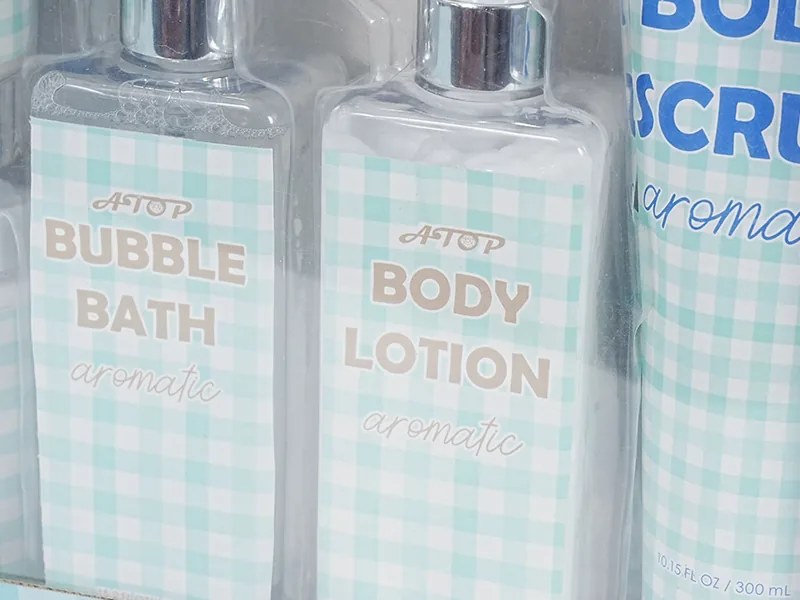
In the production of high quality bath salts, Lily Bath Commodity Company forbids any unqualified raw materials going into the factory, and we will strictly inspect and examine the product based on the standards and inspection methods batch by batch during the whole production process, and any inferior-quality product is not allowed to going out of the factory.
By putting money where the mouth is toward values and causes customers truly care about, we have made Lily Bath products succeed in the industry. Not only have we earned trust and loyalty from a large number of old customers, but we have gained more and more new customers with the increasing popularity in the market. The total sale volume is growing every year.
These bath salts combine natural minerals and essential oils for a spa-like experience at home, focusing on relaxation. Designed to dissolve easily in water, they release soothing properties that soften skin and calm the senses. Ideal for unwinding after a long day, they offer a luxurious self-care routine.
Looking to transform your bath into a luxurious spa experience? High quality bath salts are the perfect choice! Infused with natural minerals and essential oils, they offer deep relaxation, skin nourishment, and aromatherapy benefits in every soak.
Are you curious about how cosmetic manufacturers ensure the safety and quality of their products? In this article, we will explore the intricacies of auditing quality control processes in the beauty industry. From testing procedures to regulatory compliance, discover the essential steps that cosmetic manufacturers take to maintain high standards and keep their customers safe. Dive into the world of cosmetic quality control auditing and gain valuable insights into the behind-the-scenes practices of your favorite beauty brands.- Understanding the Importance of Quality Control in Cosmetic ManufacturingIn the world of cosmetic manufacturing, quality control plays a crucial role in ensuring the safety and efficacy of products. From skincare to makeup items, consumers rely on cosmetic manufacturers to adhere to strict quality standards to avoid potential harm or negative reactions. This article aims to shed light on the importance of quality control in cosmetic manufacturing, as well as provide insights on how to effectively audit manufacturers to ensure compliance.One of the key aspects of quality control in cosmetic manufacturing is product safety. By conducting thorough audits, manufacturers can identify potential hazards or contaminants that may compromise the safety of their products. From raw materials to finished goods, every step of the production process should be carefully monitored to minimize the risk of adverse effects on consumers.In addition to safety, quality control also plays a significant role in ensuring product effectiveness. Cosmetic manufacturers invest significant resources into research and development to create products that deliver on their promises. By implementing quality control processes, manufacturers can verify that their products meet the desired specifications and deliver the expected results to consumers.Moreover, quality control can also help cosmetic manufacturers maintain their reputation in the market. In an industry where competition is fierce and consumer demands are constantly evolving, maintaining high-quality standards is essential for building trust and loyalty among customers. By consistently delivering safe and effective products, manufacturers can establish themselves as reliable and reputable brands in the eyes of consumers.When it comes to auditing cosmetic manufacturers' quality control processes, there are several key factors to consider. Firstly, auditors should assess the manufacturer's compliance with regulatory requirements and industry standards. This includes verifying that the manufacturer follows Good Manufacturing Practices (GMP) and adheres to relevant guidelines set by regulatory bodies such as the Food and Drug Administration (FDA).Furthermore, auditors should also evaluate the manufacturer's documentation and record-keeping practices to ensure transparency and traceability throughout the production process. By maintaining detailed records of ingredients, formulations, and production methods, manufacturers can easily track and address any quality issues that may arise.Auditing cosmetic manufacturers' quality control processes can be a complex and time-consuming task, but it is essential for ensuring the safety and efficacy of products. By understanding the importance of quality control in cosmetic manufacturing and implementing effective audit procedures, manufacturers can uphold their commitment to delivering high-quality products that meet the expectations of consumers.In conclusion, quality control is a critical aspect of cosmetic manufacturing that should not be overlooked. By auditing manufacturers' quality control processes, we can ensure that products are safe, effective, and reliable for consumers. Ultimately, by prioritizing quality control, cosmetic manufacturers can build trust, loyalty, and credibility in a highly competitive market.- Key Steps to Take When Auditing Cosmetic ManufacturersWhen it comes to auditing cosmetic manufacturers' quality control processes, there are a few key steps that must be taken in order to ensure that the products being produced meet the necessary standards for safety and effectiveness. With the beauty industry booming and consumers becoming more conscious about the products they use on their skin, it is crucial for cosmetic manufacturers to have robust quality control measures in place.One of the first steps in auditing cosmetic manufacturers is to assess their manufacturing facilities. This includes inspecting the cleanliness and organization of the manufacturing plant, as well as evaluating the equipment and machinery being used. It is important to ensure that the facilities meet all necessary regulatory requirements and that proper sanitation practices are being followed.Next, it is important to review the quality control processes that the cosmetic manufacturer has in place. This includes examining the testing procedures that are used to ensure the safety and efficacy of the products. It is essential to verify that all testing is being conducted by qualified personnel and that the results are being properly documented.In addition to testing procedures, it is important to review the manufacturer's ingredient sourcing and handling practices. It is crucial to ensure that all raw materials used in the production of cosmetics meet the necessary quality standards and that proper protocols are in place for handling and storing these materials.Another key step in auditing cosmetic manufacturers is to review their labeling and packaging practices. It is important to ensure that all products are labeled accurately and that all necessary information is provided to consumers. This includes verifying that all ingredient lists are complete and that any potential allergens are clearly identified.Finally, it is important to assess the manufacturer's quality management system. This includes reviewing their standard operating procedures, quality control protocols, and overall commitment to continuous improvement. It is crucial for cosmetic manufacturers to have a strong quality management system in place in order to consistently produce safe and effective products.In conclusion, auditing cosmetic manufacturers' quality control processes is essential in order to ensure the safety and efficacy of the products being produced. By following these key steps and conducting a thorough audit, manufacturers can demonstrate their commitment to quality and provide consumers with the confidence that they are using safe and effective products.- Common Quality Control Issues to Look for During the AuditWhen it comes to auditing cosmetic manufacturers' quality control processes, there are several common issues that auditors should be on the lookout for. Quality control is crucial in the cosmetic industry as it directly impacts the safety and effectiveness of the products being produced. By carefully examining these common issues during an audit, auditors can help ensure that cosmetic manufacturers are following best practices and producing high-quality products.One common quality control issue to look for during an audit of cosmetic manufacturers is the use of expired or contaminated raw materials. It is essential for manufacturers to carefully inspect and test all raw materials before using them in production to ensure that they meet quality standards. If expired or contaminated raw materials are used, it can lead to subpar products that may be unsafe for consumers. Auditors should check that manufacturers have proper procedures in place for inspecting and testing raw materials and that they are following these procedures consistently.Another common quality control issue in the cosmetic industry is inadequate cleanliness and sanitation practices in manufacturing facilities. Maintaining a clean and sanitary production environment is crucial for preventing contamination of products. Auditors should check that manufacturers have proper cleaning procedures in place and that employees are following these procedures diligently. This includes regular cleaning and disinfection of equipment and work surfaces, as well as proper hygiene practices for employees.Ensuring accurate labeling and packaging is another important aspect of quality control for cosmetic manufacturers. Auditors should check that manufacturers are accurately labeling their products with all required information, including ingredients, warnings, and usage instructions. Inaccurate labeling can not only lead to regulatory issues but can also mislead consumers and potentially harm them. Auditors should also check that packaging materials are of high quality and suitable for the products being packaged to prevent contamination or deterioration.Product testing is a critical aspect of quality control for cosmetic manufacturers, and auditors should closely examine manufacturers' testing procedures during an audit. Manufacturers should conduct testing to ensure the safety, stability, and effectiveness of their products before they are released to the market. Auditors should check that manufacturers have proper testing protocols in place and that they are conducting testing consistently and accurately. This includes testing for microbial contamination, stability under various conditions, and product performance.In conclusion, auditing quality control processes in cosmetic manufacturing is essential for ensuring that manufacturers are producing safe and high-quality products. By being aware of common quality control issues and thoroughly examining them during an audit, auditors can help cosmetic manufacturers identify areas for improvement and prevent potential issues from arising. With proper quality control measures in place, cosmetic manufacturers can continue to deliver products that meet regulatory standards and consumer expectations.- Methods for Identifying and Addressing Quality Control GapsIn the world of cosmetic manufacturing, ensuring product quality is of utmost importance. From skincare products to makeup items, consumers rely on cosmetic manufacturers to provide safe and effective products. However, quality control gaps can sometimes arise, leading to potential issues such as product contamination or ineffectiveness. In order to maintain high standards, it is essential for cosmetic manufacturers to regularly audit their quality control processes.One of the key methods for identifying and addressing quality control gaps in cosmetic manufacturing is through the use of audits. These audits involve a systematic review of the manufacturing process, from raw material sourcing to final product testing. By conducting thorough audits, cosmetic manufacturers can identify areas where quality control may be lacking and take corrective actions to address these gaps.One important aspect of auditing cosmetic manufacturers' quality control is examining their raw material sourcing practices. The quality of raw materials directly impacts the final product, so it is crucial for manufacturers to ensure that they are sourcing materials from reputable suppliers. Audit procedures may include verifying the quality certifications of raw material suppliers, conducting on-site visits to assess manufacturing processes, and testing raw materials for purity and safety.In addition to raw material sourcing, audits should also focus on the production process itself. This includes reviewing manufacturing protocols, quality control procedures, and testing methods. Manufacturers should have established quality control standards in place, such as Good Manufacturing Practices (GMP) or ISO certifications, to ensure consistency and reliability in their products.Another important aspect of auditing cosmetic manufacturers' quality control is product testing. This involves conducting various tests to ensure that the final product meets safety and efficacy standards. Tests may include microbial testing, stability testing, and efficacy testing to assess the product's performance. By regularly testing products, manufacturers can identify any potential quality control issues and take necessary actions to address them.In conclusion, auditing cosmetic manufacturers' quality control is essential for maintaining high standards in the industry. By implementing thorough audit procedures, manufacturers can identify and address quality control gaps, ensuring that their products are safe and effective for consumers. Through a combination of raw material sourcing verification, production process review, and product testing, manufacturers can uphold their commitment to quality and consumer safety.- Ensuring Compliance with Regulatory Standards in the Cosmetic IndustryIn today's fast-paced world, consumers are increasingly concerned about the safety and quality of the products they use. This is especially true in the cosmetic industry, where individuals apply a multitude of products to their skin and hair on a daily basis. As a result, it is crucial for cosmetic manufacturers to ensure that they are meeting regulatory standards to guarantee the safety and efficacy of their products.One of the key ways that cosmetic manufacturers can ensure compliance with regulatory standards is through quality control audits. These audits involve a systematic review of a manufacturer's processes and procedures to determine if they are in accordance with industry regulations. By conducting regular audits, cosmetic manufacturers can identify any issues or non-compliance issues and take corrective action to address them.When conducting a quality control audit, there are several key areas that cosmetic manufacturers should focus on. These include ingredient sourcing and testing, manufacturing processes, labeling and packaging, and storage and distribution. By thoroughly examining each of these areas, manufacturers can ensure that their products are safe, effective, and in compliance with regulatory standards.Ingredient sourcing and testing is perhaps one of the most crucial aspects of quality control for cosmetic manufacturers. It is important for manufacturers to source their ingredients from reputable suppliers and to conduct thorough testing to ensure their safety and quality. By verifying the purity and potency of each ingredient, manufacturers can minimize the risk of contamination or other issues that could compromise the quality of their products.In addition to ingredient sourcing and testing, manufacturers must also pay close attention to their manufacturing processes. This includes ensuring that equipment is properly maintained, that staff are adequately trained, and that products are manufactured in a clean and sanitary environment. By adhering to strict manufacturing processes, cosmetic manufacturers can minimize the risk of contamination and ensure the consistency and quality of their products.Labeling and packaging are also critical aspects of quality control for cosmetic manufacturers. It is important for manufacturers to accurately label their products with all required information, including ingredients, warnings, and usage instructions. Additionally, manufacturers must ensure that their packaging is secure and tamper-evident to protect the integrity of their products.Finally, manufacturers must also pay attention to storage and distribution to ensure the quality of their products. Proper storage conditions are essential to prevent spoilage or degradation of products, while effective distribution practices are necessary to ensure that products are delivered to consumers in a timely and safe manner.In conclusion, quality control audits are essential for cosmetic manufacturers to ensure compliance with regulatory standards in the industry. By focusing on ingredient sourcing and testing, manufacturing processes, labeling and packaging, and storage and distribution, manufacturers can guarantee the safety and efficacy of their products. By taking a proactive approach to quality control, cosmetic manufacturers can build trust with consumers and uphold the reputation of their brands in a competitive market.ConclusionIn conclusion, auditing cosmetic manufacturers' quality control is essential to ensuring that consumers are receiving safe and effective products. By following the steps outlined in this article, including conducting thorough inspections, reviewing documentation, and communicating openly with manufacturers, cosmetic companies can uphold high standards of quality control. Ultimately, prioritizing quality control not only protects consumers, but also helps to build trust and credibility within the industry. By investing time and resources into auditing, cosmetic manufacturers can establish themselves as leaders in the field and provide peace of mind to customers seeking safe and reliable products.
Are you curious about how the face care products you use everyday are made to ensure their quality and efficacy? In this article, we delve into the methods and practices face care manufacturers employ to guarantee the highest standards in their products. From rigorous testing to innovative production techniques, discover the behind-the-scenes processes that go into creating the skincare items you trust. Join us as we explore the fascinating world of face care manufacturing and gain a deeper understanding of how these products are crafted to enhance your beauty routine.- Introduction to the Face Care IndustryIn the vast and ever-evolving beauty industry, face care manufacturers play a crucial role in ensuring the quality and effectiveness of skincare products. As consumers become more conscious of the ingredients they are putting on their skin, it is essential for manufacturers to adhere to strict guidelines and standards to meet the demands of an increasingly discerning market.The face care industry encompasses a wide range of products, including cleansers, moisturizers, serums, masks, and more. With so many options available to consumers, manufacturers must stay ahead of the curve in terms of product innovation and quality control. This is particularly important in an industry where trends and advancements in skincare technology are constantly changing.One of the key ways that face care manufacturers ensure product quality is by conducting extensive research and development. This involves testing different formulations and ingredients to determine their efficacy and safety for use on the skin. By staying up-to-date on the latest skincare trends and scientific advancements, manufacturers are able to create products that address the specific needs and concerns of consumers.In addition to research and development, face care manufacturers also place a strong emphasis on sourcing high-quality ingredients. Many manufacturers work with suppliers who provide natural and organic ingredients that are free from harmful chemicals and toxins. By using premium ingredients, manufacturers are able to create products that are not only effective but also safe for use on all skin types.Quality control is another essential aspect of ensuring product quality in the face care industry. Manufacturers must adhere to strict quality control standards to ensure that each product meets the highest level of safety and effectiveness. This involves rigorous testing procedures, including microbiological testing, stability testing, and packaging compatibility testing.To further ensure product quality, face care manufacturers often seek out certifications from reputable organizations. These certifications validate that a product meets specific standards for safety, quality, and sustainability. By obtaining certifications from organizations such as the FDA, USDA, or Ecocert, manufacturers can provide consumers with peace of mind that their products are of the highest quality.In conclusion, face care manufacturers play a vital role in the beauty industry by developing and producing high-quality skincare products. By conducting thorough research and development, sourcing premium ingredients, implementing strict quality control measures, and obtaining certifications, manufacturers are able to deliver products that meet the diverse needs and preferences of consumers. As the face care industry continues to evolve, manufacturers must remain committed to ensuring the quality and efficacy of their products to stay ahead of the competition and meet the demands of an increasingly discerning market.- Quality Control Measures in Face Care ManufacturingFace care manufacturers are constantly striving to produce high-quality products that meet the needs and expectations of their customers. In order to ensure product quality, these manufacturers implement stringent quality control measures throughout the manufacturing process.One of the key quality control measures in face care manufacturing is the use of high-quality raw materials. Face care manufacturers carefully select their raw materials, ensuring they are of the highest quality and free from impurities. By using high-quality raw materials, manufacturers can create products that are effective and safe for consumers to use.In addition to using high-quality raw materials, face care manufacturers also employ strict manufacturing processes. These processes are designed to ensure consistency and quality in every batch of products produced. Manufacturers closely monitor each step of the manufacturing process, from ingredient mixing to packaging, to ensure that all products meet the highest standards.Quality control measures also extend to testing and evaluation. Face care manufacturers conduct rigorous testing on their products to ensure they meet specific criteria for quality and safety. This testing may include stability testing, microbiological testing, and sensory evaluation to ensure that products are safe, stable, and effective for consumers to use.Furthermore, face care manufacturers adhere to strict regulatory standards and guidelines to ensure product quality and safety. These standards may include Good Manufacturing Practices (GMP), ISO certification, and compliance with regulatory agencies such as the FDA. By adhering to these standards, manufacturers demonstrate their commitment to producing high-quality products that meet regulatory requirements.In conclusion, face care manufacturers employ a variety of quality control measures to ensure the products they produce are safe, effective, and of the highest quality. By using high-quality raw materials, implementing strict manufacturing processes, conducting rigorous testing, and adhering to regulatory standards, manufacturers demonstrate their dedication to providing consumers with top-notch face care products. These quality control measures are essential in the face care manufacturing industry to ensure that consumers can trust the products they use on their skin.- Testing and Certification Processes for Face Care ProductsAs a face care manufacturer, ensuring the quality of your products is of the utmost importance. This involves thorough testing and certification processes to guarantee that your face care products are safe, effective, and of the highest quality for your customers.The first step in the testing and certification process for face care products is conducting thorough research and development. This involves formulating the product, conducting stability tests, and ensuring that the ingredients used are both safe and effective. Face care manufacturers must ensure that their products are free from harmful chemicals, allergens, and irritants that could potentially harm the skin.Once the formulation is finalized, face care manufacturers must conduct various tests to ensure that the product meets industry standards and regulations. This includes testing for microbial contamination, stability, shelf life, and efficacy. These tests are crucial in ensuring that the product is safe for use and that it delivers the promised results to consumers.In addition to internal testing, face care manufacturers must also seek third-party certification to validate the quality and safety of their products. This can involve obtaining certifications from organizations such as the Cosmetic Ingredient Review (CIR) panel, the US Food and Drug Administration (FDA), or the European Union (EU) Cosmetic Regulation. These certifications provide customers with confidence that the product has undergone rigorous testing and meets industry standards for safety and efficacy.Furthermore, face care manufacturers must adhere to Good Manufacturing Practices (GMP) to ensure that their products are produced in a clean and controlled environment. This involves maintaining strict hygiene standards, proper documentation of processes, and regular inspections to ensure compliance with industry regulations.In conclusion, face care manufacturers go to great lengths to ensure the quality of their products through thorough testing and certification processes. By conducting research, testing products for safety and efficacy, obtaining third-party certifications, and adhering to GMP, face care manufacturers can guarantee that their products meet the highest standards of quality and are safe for use by consumers. By prioritizing product quality, face care manufacturers can build trust with their customers and establish a strong reputation in the competitive skincare industry.- Importance of Ingredient Sourcing in Face Care ManufacturingFace care manufacturers play a crucial role in the beauty industry, as they are responsible for creating products that help consumers maintain and improve the health and appearance of their skin. One of the key factors that determine the quality of these products is the sourcing of ingredients. The ingredients used in face care products can have a significant impact on their effectiveness and safety, which is why manufacturers must carefully consider where they source their ingredients from.When it comes to ingredient sourcing in face care manufacturing, there are several important factors that manufacturers must take into account. One of the most important considerations is the quality of the ingredients themselves. High-quality ingredients are essential for creating effective and safe face care products. Manufacturers must ensure that they are using ingredients that are pure, natural, and free from harmful chemicals or contaminants.In addition to quality, face care manufacturers must also consider the sustainability and ethical implications of their ingredient sourcing practices. Sustainable sourcing practices are becoming increasingly important in the beauty industry, as consumers are becoming more conscious of the environmental and social impact of the products they use. Manufacturers must strive to source ingredients from suppliers who prioritize sustainability and ethical practices, such as fair trade and cruelty-free sourcing.Another important consideration for face care manufacturers is the geographical location of their ingredient suppliers. Some ingredients are only grown in specific regions of the world, and manufacturers must ensure that they are sourcing these ingredients from reputable suppliers in these regions. This can involve working closely with suppliers to ensure that the ingredients are harvested or produced in a sustainable and ethical manner.Furthermore, face care manufacturers must also consider the safety and regulatory requirements of the ingredients they use. Certain ingredients may be subject to regulations or restrictions in different countries, and manufacturers must ensure that they are compliant with these regulations. This can involve conducting thorough research on the safety and usage of each ingredient, as well as working with regulatory bodies to ensure compliance.Overall, ingredient sourcing plays a crucial role in the quality of face care products. By carefully considering the quality, sustainability, ethical implications, geographical location, and safety of their ingredient sourcing practices, manufacturers can ensure that they are creating products that are effective, safe, and environmentally friendly. Face care manufacturers must continue to prioritize ingredient sourcing in their manufacturing processes in order to meet the growing demands of consumers for high-quality and ethical beauty products.- Ensuring Customer Satisfaction and Feedback in Face Care Product DevelopmentFace care manufacturers play a vital role in the beauty industry, as they are responsible for creating products that help consumers maintain healthy and glowing skin. In order to ensure that their products meet the highest standards of quality, these manufacturers must prioritize customer satisfaction and feedback in the development process.One key aspect of ensuring customer satisfaction in face care product development is conducting thorough research and testing. Face care manufacturers must stay up-to-date with the latest trends in skincare, as well as understand the specific needs and preferences of their target market. By conducting surveys, focus groups, and market research, manufacturers can gather valuable insights into what consumers are looking for in their skincare products.Feedback from customers is also essential in the development process, as it provides manufacturers with valuable information on how their products are being received in the market. Face care manufacturers should encourage customers to provide feedback through surveys, product reviews, and social media platforms. By listening to their customers' opinions and addressing any concerns or complaints, manufacturers can improve their products and better meet the needs of their target audience.In addition to ensuring customer satisfaction, face care manufacturers must also prioritize product quality in the development process. This includes using high-quality ingredients, following strict manufacturing processes, and conducting thorough testing to ensure that their products are safe and effective for consumers. Manufacturers should work closely with skincare experts, dermatologists, and quality control teams to ensure that their products meet industry standards and regulations.Furthermore, face care manufacturers can enhance product quality by investing in research and innovation. By staying ahead of the curve and developing new technologies and formulations, manufacturers can create products that are truly revolutionary and meet the evolving needs of their customers. Continuous improvement and innovation are key to staying competitive in the crowded skincare market.Overall, face care manufacturers play a crucial role in ensuring that consumers have access to high-quality, effective skincare products. By prioritizing customer satisfaction, feedback, and product quality in the development process, manufacturers can create products that not only meet the needs of their target audience but also exceed their expectations. With a commitment to excellence and a focus on innovation, face care manufacturers can continue to make a significant impact in the beauty industry and help consumers achieve healthy, radiant skin.ConclusionIn conclusion, face care manufacturers place a high priority on ensuring product quality through rigorous testing, adherence to regulations, and commitment to using high-quality ingredients. By implementing strict quality control measures and constantly striving to improve and innovate their products, these manufacturers are able to provide consumers with safe and effective skincare products. With a focus on transparency and consumer trust, face care manufacturers are dedicated to delivering top-notch products that meet the needs and expectations of their customers. As consumers continue to demand excellence in skincare products, these manufacturers will undoubtedly continue to prioritize product quality in order to stay ahead in the competitive beauty industry.
Are you in search of high-quality face care manufacturers to meet the growing demands of the beauty industry in 2025? Look no further! Our comprehensive guide is here to help you navigate the market and find the best companies that will elevate your skincare products to the next level. Read on to discover the top manufacturers that will revolutionize your skincare line and set you apart from the competition in the upcoming year.- Factors to Consider When Choosing a Face Care ManufacturerThe beauty industry is constantly evolving, with new products and trends emerging every year. As consumers become more conscious about what they put on their skin, the demand for high-quality face care products continues to rise. With so many options available, it can be overwhelming to choose a face care manufacturer that meets your specific needs. However, there are certain factors to consider when selecting a face care manufacturer that can help you make an informed decision.First and foremost, it is essential to consider the reputation of the face care manufacturer. Look for a manufacturer that has a solid track record of producing high-quality products that deliver results. You can research online reviews and testimonials from customers to get an idea of the manufacturer's reputation in the industry. Additionally, consider if the manufacturer has any certifications or accreditations that demonstrate their commitment to quality and safety standards.Another important factor to consider when choosing a face care manufacturer is the ingredients they use in their products. It is crucial to opt for a manufacturer that uses safe and effective ingredients that are suitable for your skin type. Look for manufacturers that use natural and organic ingredients, as these are often gentler on the skin and less likely to cause irritation or allergic reactions. Avoid manufacturers that use harsh chemicals or synthetic fragrances, as these can be harmful to the skin in the long run.In addition to the ingredients, it is also important to consider the packaging and presentation of the products offered by the face care manufacturer. Packaging plays a significant role in the overall appeal of a product and can influence a consumer's decision to purchase it. Look for manufacturers that use sustainable and eco-friendly packaging materials, as this not only shows their commitment to the environment but also appeals to environmentally-conscious consumers.Furthermore, consider the manufacturing process employed by the face care manufacturer. Look for manufacturers that follow strict quality control measures and adhere to Good Manufacturing Practices (GMP). This ensures that the products are manufactured under safe and hygienic conditions and meet industry standards for quality and purity. Additionally, consider if the manufacturer conducts regular testing and quality assurance checks on their products to ensure consistency and efficacy.Finally, consider the pricing and availability of the products offered by the face care manufacturer. While high-quality products may come at a higher price point, it is important to weigh the cost against the benefits and results that the products offer. Look for manufacturers that offer competitive pricing and discounts for bulk orders, as this can help you save money in the long run. Additionally, consider if the products are readily available and easily accessible through online retailers or brick-and-mortar stores.In conclusion, when choosing a face care manufacturer, it is essential to consider a variety of factors that can help you make an informed decision. By considering the reputation, ingredients, packaging, manufacturing process, pricing, and availability of the products, you can find a high-quality face care manufacturer that meets your specific needs and delivers effective results for your skincare routine.- Researching Top Face Care Manufacturers in 2025As we enter the year 2025, the skincare industry continues to innovate and evolve. With an increasing focus on natural ingredients and sustainable practices, consumers are becoming more discerning when it comes to the products they put on their skin. This has led to a rise in demand for high-quality face care products, which in turn has put pressure on manufacturers to deliver top-notch formulations.In this guide, we will explore the top face care manufacturers in 2025, highlighting their innovative products and commitment to quality. Whether you are looking for anti-aging creams, cleansers, or moisturizers, these manufacturers have got you covered.One of the key players in the face care manufacturing industry is XYZ Skincare, known for their cutting-edge formulations and use of premium ingredients. Their products are designed to deliver results, whether it be reducing the appearance of fine lines and wrinkles or hydrating dry skin. XYZ Skincare sources their ingredients ethically and partners with sustainable suppliers, making them a top choice for eco-conscious consumers.Another standout in the face care manufacturing world is ABC Beauty, which prides itself on using natural and organic ingredients in their products. From gentle cleansers to potent serums, ABC Beauty offers a wide range of options for all skin types. Their dedication to sustainability and transparency sets them apart from the competition, making them a favorite among environmentally conscious consumers.In addition to XYZ Skincare and ABC Beauty, there are numerous other face care manufacturers worth exploring in 2025. These companies are constantly researching and developing new formulations to address the ever-changing needs of consumers. From vegan and cruelty-free options to products specifically designed for sensitive skin, there is something for everyone in the face care market.When seeking out a face care manufacturer, it is important to consider not only the quality of their products but also their values and commitment to sustainability. By choosing manufacturers that prioritize ethical practices and ingredient transparency, consumers can ensure they are supporting companies that align with their values.Overall, the face care industry in 2025 is a dynamic and exciting space, filled with innovative manufacturers dedicated to creating high-quality products that deliver results. By researching and exploring the top face care manufacturers in the market, consumers can find the perfect products to nourish and protect their skin for years to come.- Evaluating the Quality and Reputation of Potential ManufacturersIn the booming beauty industry, finding reliable and high-quality face care manufacturers is crucial for success. With countless options available on the market, it can be overwhelming to choose the right manufacturer for your business. This guide will provide you with essential tips on how to evaluate the quality and reputation of potential face care manufacturers in 2025.When searching for a face care manufacturer, the first step is to conduct thorough research. Start by creating a list of potential manufacturers and gathering information about their products, services, and reputation. Look for manufacturers that specialize in face care products and have a proven track record of producing high-quality items.Once you have narrowed down your list, it's time to assess the quality of the manufacturer's products. Request product samples or visit their manufacturing facility to see firsthand how their face care products are made. Pay attention to the ingredients used, the production process, and the overall quality of the products. It's important to ensure that the manufacturer meets your standards for quality and safety.In addition to evaluating the quality of the products, it's essential to consider the reputation of the manufacturer. Look for reviews and testimonials from other businesses that have worked with the manufacturer in the past. A reputable manufacturer will have positive feedback from clients and a history of delivering on their promises. Avoid working with manufacturers that have a poor reputation or negative reviews, as this could affect the quality of your products and ultimately, your business.Furthermore, consider the manufacturer's experience and expertise in the face care industry. A manufacturer with years of experience and a deep understanding of the market is more likely to provide high-quality products and excellent service. Ask about their certifications, production capabilities, and ability to meet your specific requirements. A knowledgeable manufacturer will be able to guide you through the production process and offer valuable insights to help you succeed in the competitive beauty industry.In conclusion, finding the right face care manufacturer is essential for the success of your business in 2025. By evaluating the quality and reputation of potential manufacturers, you can ensure that you partner with a reliable and reputable company that meets your standards. Remember to conduct thorough research, assess the quality of the products, consider the manufacturer's reputation, and prioritize experience and expertise. With the right manufacturer by your side, you can confidently launch high-quality face care products that will delight your customers and drive your business forward.- Partnering with a Face Care Manufacturer that Aligns with Your BrandIn the ever-evolving world of skincare, finding the perfect face care manufacturer to partner with is essential for the success of your brand. As we look towards 2025, the demand for high-quality face care products is only expected to rise, making it crucial to align yourself with a manufacturer that shares your brand's values and goals. In this guide, we will explore how to find the best face care manufacturers in 2025, with a focus on partnering with a manufacturer that aligns with your brand.When searching for a face care manufacturer, it is important to first identify what sets your brand apart from the competition. Do you prioritize natural ingredients, sustainable practices, or innovative formulations? By understanding your unique selling points, you can narrow down your search to manufacturers that align with your brand values.Once you have identified your brand's key priorities, it is time to start researching potential manufacturers. Look for manufacturers that have a proven track record of producing high-quality face care products. This can be done through online research, industry trade shows, or networking with other skincare professionals. Reading reviews and testimonials from other brands that have worked with the manufacturer can also provide valuable insight into their reputation and capabilities.When reaching out to potential manufacturers, be sure to ask questions about their production processes, ingredient sourcing, and quality control measures. A transparent and communicative manufacturer will be able to provide you with detailed information about how they operate and ensure that your products meet the highest standards of quality.In addition to quality and transparency, it is also important to consider the manufacturer's capacity and capabilities. As your brand grows, you will want a manufacturer that can scale up production to meet your increasing demand. Look for manufacturers with state-of-the-art facilities and a team of experienced professionals who can support your brand's growth.Finally, when choosing a face care manufacturer, consider the importance of building a strong and collaborative relationship. A manufacturer that understands and shares your brand's vision can be a valuable partner in bringing your skincare products to life. Look for manufacturers that are willing to work closely with you on product development, customization, and ongoing support.In conclusion, finding a high-quality face care manufacturer in 2025 is a crucial step in the success of your skincare brand. By partnering with a manufacturer that aligns with your brand values, prioritizes quality, and fosters a collaborative relationship, you can ensure that your products stand out in a competitive market. Take the time to research and connect with potential manufacturers to find the perfect partner for your brand's journey towards success.- Understanding Industry Trends and Innovation in Face Care ManufacturingIn the ever-evolving world of beauty and skincare, staying ahead of industry trends and innovations is crucial for face care manufacturers. As we look towards the year 2025, it is important for companies in this sector to understand the landscape of the industry and how they can position themselves for success.One of the key factors that will drive the success of face care manufacturers in 2025 is the increasing demand for clean and sustainable beauty products. Consumers are becoming more conscious of the ingredients in their skincare products and are seeking out brands that prioritize transparency and ethical sourcing. Face care manufacturers will need to adapt to this shift by incorporating more natural and environmentally-friendly ingredients into their formulations.In addition to clean beauty, personalization is another trend that is expected to continue to grow in the face care manufacturing industry. With advancements in technology, manufacturers now have the ability to create customized skincare products tailored to the specific needs of individual consumers. From personalized serums to customized face masks, the possibilities are endless for companies looking to offer unique and innovative products.Another trend that face care manufacturers should keep an eye on is the rise of digital beauty platforms. With the increasing popularity of online shopping and social media influencers, companies in the skincare industry will need to find new ways to connect with consumers and market their products. Utilizing digital platforms for product launches, influencer collaborations, and customer feedback will be essential for manufacturers looking to stay relevant in 2025.Furthermore, innovation in packaging and product delivery will also play a significant role in the success of face care manufacturers in the upcoming years. As sustainability becomes a top priority for consumers, companies will need to find ways to reduce waste and minimize their environmental impact. From recyclable packaging to refillable containers, manufacturers will need to think outside the box to meet the demands of today's eco-conscious consumers.Overall, the face care manufacturing industry is set to undergo significant changes in 2025, driven by consumer preferences for clean, personalized, and sustainable products. Companies that are able to stay ahead of these trends and innovate in their formulations, marketing strategies, and packaging will be well-positioned for success in the years to come. By understanding industry trends and embracing innovation, face care manufacturers can ensure that they remain competitive in an increasingly crowded market.ConclusionIn conclusion, finding high-quality face care manufacturers in 2025 requires careful consideration of various factors such as product quality, manufacturing processes, and industry reputation. By following the guidelines provided in this article, beauty brands and consumers can make informed decisions when selecting manufacturers for their skincare products. With the ever-evolving technology and advancements in the beauty industry, it is essential to stay updated on the latest trends and innovations to ensure the production of top-notch face care products. By partnering with reputable manufacturers, businesses can deliver premium quality skincare products that meet the needs and expectations of their customers. Embracing excellence in manufacturing practices will not only elevate the brand's reputation but also contribute to the overall success and growth of the face care industry in the upcoming years.
Are you looking to ensure that the private label cosmetic products you are purchasing meet the highest quality standards? Look no further! Our comprehensive checklist covers all the essential factors to consider when evaluating the quality of private label cosmetic products. From ingredients to packaging, we have you covered. Read on to learn how to make informed decisions and select the best products for your beauty needs.- Understanding the Importance of Quality in Private Label CosmeticsPrivate label cosmetics have gained immense popularity over the years as consumers become more conscious about the products they use on their skin. This trend has led to a surge in the number of private label cosmetic brands entering the market, offering a wide range of products that cater to different skin types and preferences. However, with the increasing competition, it has become crucial for brands to prioritize quality in order to stand out from the crowd.Understanding the importance of quality in private label cosmetics is essential for both brand owners and consumers. For brand owners, ensuring high-quality products not only helps in building a good reputation but also establishes trust with customers. On the other hand, consumers are becoming more discerning when it comes to the ingredients and formulations used in their skincare and makeup products. They expect products to deliver on their promises without causing any harm to their skin.One of the key aspects of evaluating the quality of private label cosmetics is the ingredients used in the formulations. High-quality cosmetics are made with premium ingredients that are effective and safe for the skin. It is important for brand owners to work with reputable suppliers that provide high-quality raw materials to ensure the final product meets the standards expected by consumers.In addition to ingredients, the manufacturing process also plays a crucial role in determining the quality of private label cosmetics. Brands should work with manufacturers that follow strict quality control measures to ensure consistency in product quality. This includes testing the products at various stages of production to ensure they meet the necessary standards.Packaging is another important factor to consider when evaluating the quality of private label cosmetics. The packaging not only serves as a marketing tool but also protects the product from external factors that may affect its quality. Brands should invest in packaging that is not only aesthetically pleasing but also functional and durable.Furthermore, brand owners should also consider the efficacy of their products when evaluating quality. Consumers expect private label cosmetics to deliver on their promises and provide visible results. Brands should conduct thorough testing and trials to ensure their products are effective and meet the needs of their target audience.Overall, understanding the importance of quality in private label cosmetics is essential for brands looking to succeed in the competitive beauty industry. By prioritizing quality in ingredients, manufacturing processes, packaging, and efficacy, brands can build a loyal customer base and establish themselves as reputable players in the market. As consumers become more conscious about the products they use, it is crucial for brands to deliver high-quality cosmetics that meet their expectations.- Key Factors to Consider When Assessing Cosmetic Product QualityPrivate label cosmetics have become increasingly popular in recent years, offering consumers a wide range of products to choose from. With so many options available, it can be overwhelming to navigate through the vast array of cosmetic products on the market. When it comes to assessing the quality of private label cosmetics, there are several key factors to consider in order to make an informed decision.One of the most important factors to consider when evaluating the quality of private label cosmetics is the ingredients used in the formulation. It is essential to carefully review the ingredient list and ensure that all components are safe and effective. Look for products that contain high-quality ingredients, such as antioxidants, vitamins, and minerals, that can nourish and improve the health of your skin.In addition to the ingredients used, it is crucial to also consider the manufacturing processes of the private label cosmetics. Make sure that the products are manufactured in facilities that adhere to strict quality control standards and follow good manufacturing practices. This will ensure that the products are safe, hygienic, and free from contaminants.Furthermore, it is important to assess the performance of the private label cosmetics. Look for products that are long-lasting, easy to apply, and provide the desired results. Consider factors such as pigmentation, blendability, and wearability when evaluating the quality of the products.Another key factor to consider when assessing private label cosmetic product quality is the packaging. The packaging of a product can impact its quality, as well as its appeal to consumers. Look for products that are packaged in sturdy, hygienic containers that protect the product from contamination and degradation.It is also important to consider the brand reputation and customer reviews when evaluating the quality of private label cosmetics. Look for brands with a positive reputation for producing high-quality products and providing excellent customer service. Additionally, read reviews from other consumers to get an idea of their experiences with the products.Lastly, consider the price point of the private label cosmetics. While price should not be the sole determining factor in assessing quality, it is important to consider whether the product offers good value for money. Look for products that are reasonably priced based on their quality, performance, and reputation.In conclusion, evaluating the quality of private label cosmetics involves considering a variety of factors, including ingredients, manufacturing processes, performance, packaging, brand reputation, customer reviews, and price. By carefully assessing these key factors, you can make informed decisions when choosing private label cosmetics that meet your needs and expectations.- Evaluating Ingredient Quality and Safety StandardsPrivate label cosmetics have become increasingly popular in recent years as consumers seek more personalized and unique beauty products. With the rise of private label brands, it is essential for consumers to evaluate the quality and safety standards of these products before making a purchase. One crucial aspect to consider when assessing the quality of private label cosmetics is the ingredients used in the formulations.When evaluating ingredient quality in private label cosmetics, it is important to look for products that contain high-quality, natural ingredients. Natural ingredients are typically sourced from plants, fruits, and minerals, and are preferred by many consumers for their gentle and nourishing properties. Some common natural ingredients found in cosmetics include avocado oil, shea butter, and aloe vera. These ingredients are known for their moisturizing, soothing, and anti-inflammatory properties, making them ideal for sensitive or dry skin types.In addition to natural ingredients, it is also important to consider the safety standards of the ingredients used in private label cosmetics. Some ingredients, such as parabens, phthalates, and sulfates, have been linked to potential health risks and should be avoided in cosmetics. Look for products that are free from harmful chemicals and preservatives, and opt for brands that prioritize safety and transparency in their ingredient sourcing and manufacturing processes.Another factor to consider when evaluating ingredient quality in private label cosmetics is the presence of synthetic fragrances and dyes. These ingredients are often used to enhance the scent or color of a product, but they can also irritate the skin and cause allergic reactions in some individuals. To avoid potential skin sensitivities, opt for products that are fragrance-free or formulated with natural scents and colorants.When assessing the quality and safety of private label cosmetics, it is also important to consider the packaging and labeling of the products. Look for brands that provide clear and accurate information about the ingredients used in their formulas, as well as any potential allergens or warnings. Pay attention to the expiration date of the product, as expired cosmetics can become less effective and may harbor bacteria that can cause skin irritation or infections.In conclusion, evaluating the ingredient quality and safety standards of private label cosmetics is essential for making informed purchasing decisions. By choosing products with high-quality, natural ingredients and avoiding harmful chemicals and allergens, consumers can ensure that they are using safe and effective cosmetics that meet their skincare needs. Remember to always read the ingredient list, research brands and their manufacturing practices, and prioritize transparency and safety when shopping for private label cosmetics.- Assessing Packaging and Labeling AccuracyPrivate label cosmetics have become increasingly popular in the beauty industry as more consumers are looking for unique and affordable products. However, with the rise of private label cosmetics, there has also been a growing concern over the quality and accuracy of packaging and labeling.Assessing packaging and labeling accuracy is crucial for private label cosmetics companies to maintain their reputation and ensure consumer trust. By following a comprehensive checklist, companies can ensure that their products meet the highest standards of quality and compliance.One of the first steps in assessing packaging and labeling accuracy is to conduct a thorough review of all packaging materials. This includes examining the design, materials used, and overall quality of the packaging. Companies should also check for any discrepancies between the information on the packaging and the actual product inside.In addition to packaging, companies must also carefully review the labeling of their products. This includes verifying that all required information, such as ingredients, warnings, and usage instructions, is clearly stated on the label. It is important for companies to comply with all regulations and guidelines set forth by regulatory bodies to avoid any legal issues.Another important aspect of assessing packaging and labeling accuracy is ensuring that all claims made on the packaging are truthful and substantiated. Companies should avoid making false or exaggerated claims about their products, as this can lead to a loss of consumer trust and potential legal repercussions.Furthermore, companies should also consider the sustainability of their packaging materials. As consumers become more environmentally conscious, using eco-friendly packaging can help companies appeal to a wider audience and demonstrate their commitment to sustainability.Overall, assessing packaging and labeling accuracy is a crucial step in maintaining the quality and integrity of private label cosmetic products. By following a comprehensive checklist and ensuring compliance with regulations, companies can establish themselves as trusted and reliable brands in the competitive beauty industry.- Ensuring Regulatory Compliance and Certifications for Private Label CosmeticsPrivate label cosmetics have become increasingly popular in the beauty industry, offering consumers affordable options that mimic high-end brands. However, with the rise in demand for private label cosmetics, it is more crucial than ever for companies to ensure regulatory compliance and certifications to guarantee the quality and safety of their products.When evaluating the quality of private label cosmetics, one of the most important factors to consider is ensuring regulatory compliance. This involves adhering to the strict regulations set forth by governing bodies such as the FDA, Health Canada, and the EU Cosmetics Regulation. These regulations dictate the ingredients that can be used in cosmetics, as well as the labeling and packaging requirements. Failure to comply with these regulations can result in the products being pulled from shelves, fines, and even legal action.In addition to regulatory compliance, certifications are another key aspect to consider when assessing the quality of private label cosmetics. Certifications such as cruelty-free, organic, and vegan are not only a selling point for consumers but also indicate that the products have met certain standards of quality and ethical sourcing. For example, a cruelty-free certification ensures that the products were not tested on animals, while an organic certification means that the ingredients were grown without the use of synthetic pesticides or fertilizers.In order to ensure that private label cosmetics meet these regulatory requirements and certifications, companies must have robust quality control measures in place. This includes conducting thorough ingredient testing to ensure that the products do not contain harmful substances, as well as conducting stability testing to ensure that the products remain safe and effective over time. Companies should also have strict manufacturing processes in place to prevent contamination and ensure consistency in product quality.Furthermore, companies should also have a clear process in place for product recalls in the event that a quality issue is identified. This involves quickly identifying the issue, notifying regulators and consumers, and implementing corrective actions to prevent future incidents. By having a proactive approach to quality control and compliance, companies can mitigate risks and protect their brand reputation.Overall, ensuring regulatory compliance and certifications for private label cosmetics is essential to guaranteeing the quality and safety of these products. By following a thorough checklist that includes regulatory compliance, certifications, quality control measures, and recall procedures, companies can create high-quality private label cosmetics that meet consumer expectations and regulatory standards.ConclusionIn conclusion, when evaluating the quality of private label cosmetic products, it is essential to consider various factors such as ingredients, packaging, certification, and customer reviews. By following the ultimate checklist provided in this article, you can ensure that you are choosing high-quality products that meet your needs and expections. Remember, investing in quality cosmetics not only enhances your beauty routine but also supports ethical and sustainable practices in the beauty industry. So, next time you're shopping for private label cosmetics, refer back to this checklist to make informed decisions that benefit both you and the environment.
Are you tired of dealing with a dull or problematic complexion? Look no further! In this article, we will explore the top five must-have ingredients that should be included in any high-quality private label skin care products. From soothing botanical extracts to advanced anti-aging compounds, these ingredients are essential for achieving healthy, radiant skin. Keep reading to discover the key components that will help you achieve your best skin yet!- Importance of Using Private Label Skin Care ProductsWhen it comes to skincare products, there is a plethora of options available in the market. From well-known brands to smaller, niche companies, consumers have a wide array of choices when it comes to taking care of their skin. One option that has been gaining popularity in recent years is private label skin care products. These products, which are manufactured by one company but sold under a different brand name, offer a number of benefits that make them a must-have in any skincare routine.Private label skin care products offer a level of customization that is simply not available with mass-produced products. This means that companies can tailor their products to suit the specific needs of their customers, whether they have oily, dry, or combination skin. By using high-quality ingredients that have been carefully selected for their efficacy, private label skin care products can provide users with the results they are looking for.One of the key benefits of using private label skin care products is the level of control that companies have over the formulation of their products. This means that they can choose the ingredients that go into their products, ensuring that they are of the highest quality and suitable for all skin types. By using ingredients that have been proven to be effective in improving the health and appearance of the skin, companies can create products that deliver the results that consumers are looking for.In addition to using high-quality ingredients, private label skin care products often contain a number of key ingredients that are known for their ability to improve the health of the skin. For example, ingredients such as hyaluronic acid, retinol, and vitamin C are all commonly found in private label skin care products due to their ability to hydrate the skin, improve skin texture, and reduce the appearance of fine lines and wrinkles.Another benefit of using private label skin care products is that they are often more affordable than their branded counterparts. Because companies are able to control the entire production process, they can often pass on savings to consumers, making private label products a cost-effective option for those looking to take care of their skin without breaking the bank.Overall, the importance of using private label skin care products cannot be overstated. From their ability to offer customization and control over formulation to their use of high-quality ingredients and affordability, private label products are a must-have in any skincare routine. By incorporating these products into your daily routine, you can achieve the healthy, radiant skin you have always dreamed of.- Key Features of High-Quality Skin Care IngredientsIn the realm of skincare, the quality of ingredients used in products can make all the difference in achieving optimal results. Private label skincare, in particular, emphasizes the importance of using high-quality ingredients to create effective and luxurious products. In this article, we will explore the key features of high-quality skin care ingredients that are essential for private label skincare formulations.1. Natural and Organic Ingredients:One of the main distinguishing features of high-quality skincare ingredients is their natural and organic origins. Natural ingredients are derived from plants, fruits, flowers, and other sources found in nature, while organic ingredients are grown without synthetic pesticides or other harmful substances. These ingredients are typically rich in vitamins, minerals, antioxidants, and other beneficial compounds that nourish and improve the health of the skin.Private label skincare brands often prioritize the use of natural and organic ingredients in their formulations to appeal to consumers seeking clean and environmentally conscious products. By incorporating these ingredients, private label skincare products can provide effective results without compromising on safety or sustainability.2. Scientifically Proven Actives:In addition to natural and organic ingredients, high-quality skincare products also include scientifically proven actives that target specific skin concerns. These actives may include peptides, retinoids, hyaluronic acid, and other potent ingredients that have been extensively researched and tested for their efficacy in improving skin health.Private label skincare brands collaborate with reputable labs and manufacturers to source these active ingredients and incorporate them into their formulations. By including these scientifically proven actives, private label skincare products can deliver visible results and address a wide range of skincare issues, such as aging, acne, hyperpigmentation, and dehydration.3. Clean Formulations:High-quality skincare ingredients are also characterized by their clean formulations, which are free from harmful substances such as parabens, sulfates, artificial fragrances, and other potentially irritating or toxic ingredients. Clean formulations prioritize the use of gentle and non-irritating ingredients that support the skin's natural barrier function and promote overall skin health.Private label skincare brands place a strong emphasis on creating clean formulations to ensure the safety and efficacy of their products. By avoiding common skincare irritants and allergens, private label skincare products are suitable for all skin types, including sensitive and reactive skin.4. Sustainable Sourcing Practices:Another key feature of high-quality skincare ingredients is their sustainable sourcing practices. Sustainable ingredients are sourced in a way that minimizes environmental impact, respects biodiversity, and supports local communities. By choosing sustainably sourced ingredients, private label skincare brands can create products that are not only good for the skin but also good for the planet.Private label skincare brands work closely with suppliers and manufacturers to ensure that their ingredients are ethically sourced and produced. By prioritizing sustainability, private label skincare products reflect a commitment to environmental stewardship and social responsibility.5. Customizability and Innovation:Lastly, high-quality skincare ingredients offer customizability and innovation, allowing private label skincare brands to create unique and effective products that stand out in the market. Customizable ingredients can be tailored to address specific skin concerns, preferences, or trends, providing endless possibilities for product development and differentiation.Private label skincare brands leverage the customizability and innovation of high-quality ingredients to create signature formulations that cater to their target audience. By staying ahead of the latest skincare trends and incorporating cutting-edge ingredients, private label skincare brands can offer innovative products that captivate consumers and drive brand growth.In conclusion, high-quality skincare ingredients are essential for creating effective and luxurious private label skincare products. By prioritizing natural and organic ingredients, scientifically proven actives, clean formulations, sustainable sourcing practices, and customizability and innovation, private label skincare brands can develop products that meet the highest standards of quality and performance.- Benefits of Incorporating Natural Ingredients in Skin Care ProductsPrivate Label Skin Care products have become increasingly popular in recent years as more consumers are becoming aware of the benefits of incorporating natural ingredients into their skincare routines. Natural ingredients are not only gentle on the skin, but they also provide a plethora of benefits that synthetic ingredients simply cannot match. In this article, we will explore the top five must-have natural ingredients to look for in high-quality private label skin care products.1. Aloe Vera: Aloe Vera is a well-known ingredient in skincare products for its soothing and hydrating properties. It is particularly beneficial for those with sensitive or dry skin, as it helps to reduce inflammation and promote healing. Aloe Vera is also rich in antioxidants, which can help to protect the skin from environmental damage.2. Coconut Oil: Coconut oil is another popular natural ingredient that is commonly found in private label skin care products. It is rich in fatty acids, which help to moisturize and nourish the skin. Coconut oil also has antibacterial and antifungal properties, making it ideal for soothing irritated or acne-prone skin.3. Green Tea Extract: Green tea extract is a powerful antioxidant that helps to protect the skin from damage caused by free radicals. It also has anti-inflammatory properties, making it ideal for reducing redness and swelling. Green tea extract is often used in private label skin care products to help improve the overall health and appearance of the skin.4. Vitamin C: Vitamin C is a skincare powerhouse that helps to brighten the skin, fade dark spots, and promote collagen production. It is a must-have ingredient in private label skin care products for those looking to achieve a more even skin tone and reduce the signs of aging. Vitamin C also helps to protect the skin from sun damage and environmental pollutants.5. Hyaluronic Acid: Hyaluronic acid is a natural substance that is found in the skin and helps to retain moisture. It is a key ingredient in private label skin care products for its ability to hydrate and plump the skin, reducing the appearance of fine lines and wrinkles. Hyaluronic acid is suitable for all skin types and can help to improve the overall texture and elasticity of the skin.In conclusion, incorporating natural ingredients into private label skin care products can provide a wide range of benefits for the skin. From soothing and hydrating properties to powerful antioxidants and anti-aging effects, natural ingredients are essential for achieving healthy and radiant skin. When choosing private label skin care products, be sure to look for these top five must-have ingredients for the best results.- How to Choose the Right Ingredients for Your Private Label Skin Care LinePrivate label skin care products have become increasingly popular in recent years, offering consumers a wide range of options when it comes to choosing the right products for their specific skin needs. From anti-aging creams to acne treatments, the market is flooded with private label options for every skin concern. However, with so many choices available, it can be overwhelming to decide which ingredients are best suited for your private label skin care line.When it comes to creating a high-quality private label skin care line, choosing the right ingredients is essential. Not only do the ingredients you choose determine the effectiveness of your products, but they also play a major role in the overall quality and safety of your brand. With that in mind, here are five must-have ingredients that should be included in any high-quality private label skin care line.1. Hyaluronic Acid: One of the most popular ingredients in skin care products, hyaluronic acid is known for its ability to hydrate and plump the skin. This ingredient is a must-have for any private label skin care line, as it can help improve skin texture, minimize the appearance of fine lines and wrinkles, and leave the skin looking youthful and radiant.2. Retinol: Another key ingredient in anti-aging skin care products, retinol is a form of vitamin A that can help improve skin tone, texture, and elasticity. Retinol is a powerful ingredient that can help reduce the appearance of wrinkles, fine lines, and hyperpigmentation, making it an essential addition to any private label skin care line targeting aging skin.3. Vitamin C: Known for its antioxidant properties, vitamin C is an essential ingredient in skin care products that can help protect the skin from environmental damage and promote collagen production. Vitamin C can help brighten the skin, even out skin tone, and improve overall skin texture, making it a highly sought-after ingredient in private label skin care products.4. Niacinamide: Also known as vitamin B3, niacinamide is a versatile ingredient that can help improve the appearance of enlarged pores, fine lines, and uneven skin tone. Niacinamide is a gentle yet effective ingredient that is suitable for all skin types, making it a great addition to any private label skin care line.5. Peptides: Peptides are short chains of amino acids that can help stimulate collagen production, improve skin firmness, and reduce the appearance of wrinkles. Peptides are a key ingredient in anti-aging skin care products, as they can help promote skin renewal and repair, making them an important component of any private label skin care line targeting aging skin.In conclusion, choosing the right ingredients is crucial when creating a high-quality private label skin care line. By including ingredients like hyaluronic acid, retinol, vitamin C, niacinamide, and peptides, you can create products that are effective, safe, and in high demand among consumers. When formulating your private label skin care products, be sure to consider the specific needs of your target audience and choose ingredients that will address their skin concerns effectively. With the right ingredients and a focus on quality, your private label skin care line is sure to stand out in a crowded market.- Top Picks for Must-Have Ingredients in Premium Skin Care FormulationsWhen it comes to private label skin care, selecting the right ingredients is crucial to formulating high-quality products that deliver exceptional results. In this article, we will explore the top picks for must-have ingredients in premium skin care formulations, focusing on five key ingredients that are essential for creating effective and luxurious skincare products.1. Hyaluronic Acid:Hyaluronic acid is a powerhouse ingredient in the world of skincare, known for its ability to hydrate and plump the skin. This naturally occurring substance can hold up to 1000 times its weight in water, making it an excellent choice for moisturizing dry and dehydrated skin. In private label skincare formulations, hyaluronic acid can help to improve skin elasticity, reduce the appearance of fine lines and wrinkles, and promote a more youthful complexion.2. Retinol:Retinol, a form of vitamin A, is another must-have ingredient in high-quality skincare products. Known for its anti-aging properties, retinol helps to promote cell turnover, stimulate collagen production, and improve skin texture and tone. Private label skincare products containing retinol can help to reduce the appearance of wrinkles, fine lines, and sun damage, and improve overall skin health and vitality.3. Vitamin C:Vitamin C is a potent antioxidant that offers a wide range of benefits for the skin. This essential nutrient helps to protect the skin from environmental damage, brighten and even out skin tone, and promote collagen production for firmer, more youthful-looking skin. Private label skincare products containing vitamin C can help to improve skin radiance, reduce the appearance of dark spots and hyperpigmentation, and enhance overall skin clarity and luminosity.4. Peptides:Peptides are short chains of amino acids that serve as building blocks for proteins such as collagen and elastin. In skincare formulations, peptides can help to improve skin firmness, reduce the appearance of wrinkles, and promote a more youthful complexion. Private label skincare products containing peptides can help to support skin structure, improve skin elasticity, and enhance overall skin health and vitality.5. Niacinamide:Niacinamide, also known as vitamin B3, is a versatile ingredient that offers a wide range of benefits for the skin. This powerful antioxidant helps to improve skin barrier function, reduce inflammation, and regulate oil production, making it ideal for all skin types. Private label skincare products containing niacinamide can help to improve skin texture, minimize pores, and enhance overall skin health and appearance.In conclusion, selecting the right ingredients is key to creating high-quality private label skincare products that deliver exceptional results. By incorporating must-have ingredients such as hyaluronic acid, retinol, vitamin C, peptides, and niacinamide into formulations, skincare manufacturers can create products that are effective, luxurious, and highly coveted by consumers. Private label skincare products that harness the power of these top ingredients can help to address a wide range of skin concerns, from aging and dehydration to dullness and uneven tone, and provide customers with the ultimate skincare experience.ConclusionIn conclusion, when it comes to creating high-quality private label skincare products, the inclusion of certain key ingredients is essential for ensuring effectiveness and customer satisfaction. By incorporating ingredients such as hyaluronic acid, vitamin C, retinol, peptides, and antioxidants, brands can provide consumers with products that deliver visible results and improve the overall health and appearance of their skin. These ingredients work synergistically to hydrate, brighten, reduce wrinkles, and protect the skin from environmental damage. By prioritizing these must-have ingredients in their formulations, skincare brands can set themselves apart in a competitive market and establish a loyal customer base. Remember, investing in quality ingredients is investing in the success of your skincare business.
we welcome custom designs and ideas and is able to cater to the specific requirements.
With deep culture, keep facing future in Beauty & Personal Care field.