


High Quality Facial Serum Manufacturers
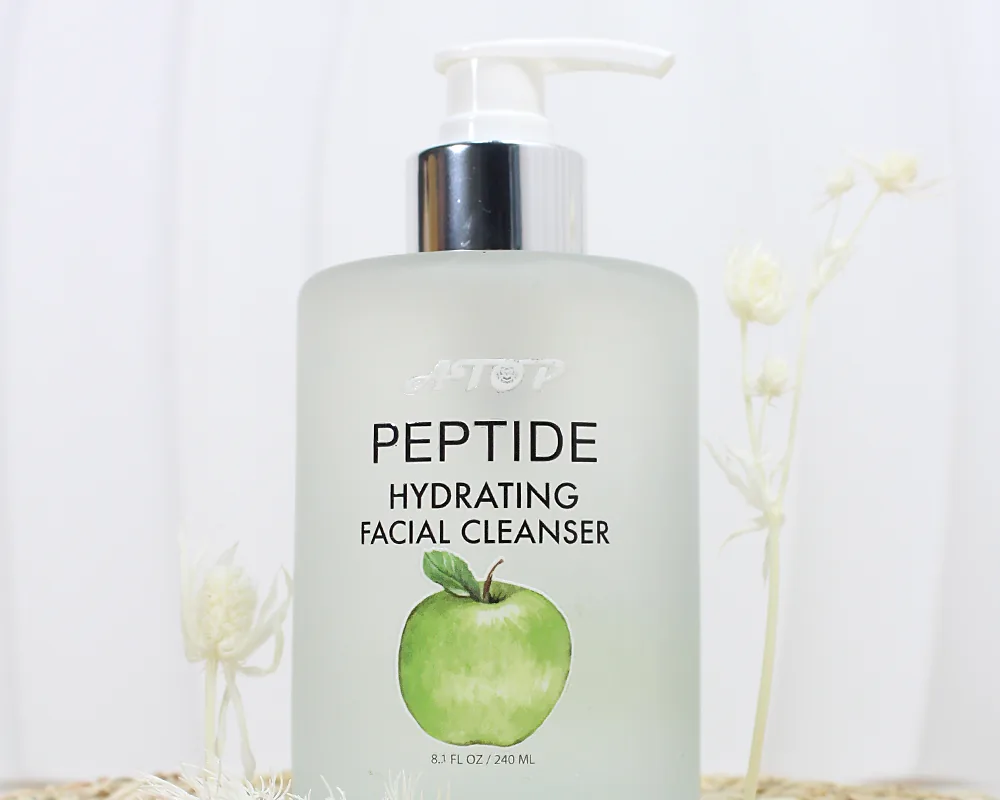
facial serum manufacturers is one of the main products of Lily Bath Commodity Company. It has various designs which integrate compelling aesthetics and functionality, giving a real edge over competitors. It has a relatively long service life and performs well during its service life. Thanks to its good performance and strong functionality, the product can be applied in many fields and has a promising market application potential.
All products under the brand Lily Bath create tremendous value in the business. As the products receive high recognition in the domestic market, they are marketed to overseas market for the stable performance and long-term lifespan. In the international exhibitions, they also surprise the attendants with outstanding features. More orders are generated, and the repurchase rate excels other suchlike. They are gradually seen as the star products.
Facial serum manufacturers create concentrated skincare solutions to tackle various skin concerns. Their advanced formulations deeply penetrate the skin, delivering potent active ingredients such as antioxidants and peptides. These serums, backed by scientific research, target issues like aging and hydration at the cellular level, serving as a crucial step in modern skincare routines.
Facial serums are highly effective due to their concentrated formulations, targeting specific skin concerns like aging, hydration, or brightening. Manufacturers ensure quality and innovation, offering tailored solutions for diverse skincare needs.
Ideal for daily skincare routines, facial serums address issues such as acne, uneven texture, or environmental damage. They are also suitable for all skin types and ages, providing customizable care for both morning and nighttime regimens.
When selecting a manufacturer, prioritize those with proven expertise in active ingredient research, certifications for safety and sustainability, and transparent production practices to ensure potent and ethical products.
In an ever-evolving beauty industry characterized by fierce competition and shifting consumer preferences, understanding the significance of branding has become paramount—especially for private label cosmetics. In our latest article, “Why is Branding Crucial for Private Label Cosmetics,” we delve into the pivotal role that branding plays in distinguishing your products from the myriad of options available on the market. While quality and formulation are essential, it's a strong brand identity that creates lasting connections with customers and fosters loyalty. Join us as we explore the intricate relationship between branding and success in the private label cosmetics sector, revealing key strategies to elevate your product line and captivate your target audience. Whether you’re an aspiring entrepreneur or a seasoned business owner, uncover the powerful impact of effective branding and learn how to leverage it for your own cosmetics collection. Ready to elevate your brand? Let’s dive in!- Understanding the Concept of Private Label Cosmetics### Understanding the Concept of Private Label CosmeticsPrivate label cosmetics represent a unique and evolving segment within the beauty industry. Unlike branded products that bear the name of their manufacturers, private label cosmetics are developed by manufacturers but are sold under the brand name of a retailer or a third-party business. This model allows retailers to create distinct products that cater directly to their target market, all while leveraging the experience and resources of established cosmetic manufacturers.At its core, the private label concept enables retailers to offer products that align seamlessly with their branding strategies. Retailers can develop their cosmetic lines by collaborating with cosmetic manufacturers who have the expertise and infrastructure to deliver high-quality formulations. This collaboration often involves extensive research and development, allowing retailers to customize ingredients, packaging, and marketing strategies to reflect their brand identity.One of the primary advantages of private label cosmetics is the ability for retailers to control their product's branding and messaging. In an industry often dominated by global brands, private labels can carve out a niche that resonates with specific consumer demographics. For instance, a retailer specializing in eco-friendly products can partner with cosmetic manufacturers to create organic, cruelty-free cosmetics that align with their ethos. Such tailored offerings can help build customer loyalty and differentiate the retailer in a competitive marketplace.Furthermore, aligning with the right cosmetic manufacturers is essential in ensuring product quality and compliance with industry standards. Quality assurance becomes a vital component of the private label journey. Retailers must conduct due diligence when selecting manufacturers, evaluating their production processes, ingredient sourcing, and adherence to safety regulations. By fostering a strong relationship with trustworthy cosmetic manufacturers, retailers can guarantee that their private label cosmetics stand up to consumer expectations and industry benchmarks.In recent years, consumers have increasingly gravitated towards personalized products that reflect their unique identities. Private label cosmetics provide an excellent avenue for retailers to offer customized beauty solutions. Through market research and consumer feedback, retailers can identify specific trends and preferences, allowing them to develop products that meet those needs. For instance, a retailer may discover a growing demand for vegan formulations or shades tailored for diverse skin tones. By working closely with cosmetic manufacturers, they can swiftly pivot to develop these sought-after products, putting them ahead of larger, less agile competitors.Another aspect of private label cosmetics lies in the strategic pricing opportunities they present. Typically, private labels have lower overhead costs and can offer products at competitive prices without compromising quality. This allows retailers to position these cosmetics as affordable alternatives to high-end brands. By balancing pricing with perceived value, retailers can attract price-sensitive consumers while maintaining healthy profit margins.Branding becomes crucial in distinguishing private label cosmetics from the vast array of products available to consumers. Retailers must not only focus on product quality but also invest in impactful branding that communicates their identity and values. Effective branding encompasses everything from eye-catching packaging to persuasive marketing campaigns. It is essential for retailers to craft a narrative around their brand that resonates with consumers, drawing them in and encouraging loyalty. Collaborating with expert cosmetic manufacturers can enhance this effort, as they can provide insights into market trends and consumer preferences that feed into the branding strategy.Lastly, the rise of e-commerce and social media has significantly influenced the way private label cosmetics are marketed and sold. Retailers now have the tools to reach a broader audience through digital platforms. Leveraging influencer partnerships and targeted digital marketing strategies can amplify the visibility of private label cosmetic lines. By showcasing the unique attributes of their products and how they align with contemporary beauty standards through various online channels, retailers can effectively engage potential customers.In summary, private label cosmetics epitomize a dynamic intersection between retail strategy and cosmetic manufacturing. Retailers harness the expertise of cosmetic manufacturers to craft tailored products that resonate with consumers while controlling the branding narrative. With a focus on quality, customization, and strategic marketing, private label cosmetics not only enhance brand identity but also solidify the retailer's position within a crowded marketplace. As the beauty industry continues to evolve, understanding the nuances of private label cosmetics will remain crucial for retailers seeking to thrive in this vibrant landscape.- The Role of Branding in Consumer Perception### The Role of Branding in Consumer PerceptionIn today’s highly competitive beauty market, branding emerges as a vital component for private label cosmetics. For cosmetic manufacturers, understanding the nuanced interplay between branding and consumer perception is crucial not only for driving sales but also for cultivating lasting relationships with customers. Branding goes beyond mere aesthetics; it is the very essence of a product's identity and conveys the values, promises, and quality associated with it.At the core of branding is consumer perception—the way individuals interpret and respond to a brand based on their experiences, beliefs, and emotions. In the world of private label cosmetics, where multiple products on the shelf may have similar formulations and price points, branding can make all the difference. Cosmetic manufacturers that leverage effective branding strategies create an emotional connection with consumers, influencing their purchasing decisions significantly.One of the primary roles of branding is establishing trust. In an industry rife with options, consumers often feel overwhelmed. They look for brands that they can rely on for quality and efficacy. Great branding reassures consumers that a product has undergone rigorous quality control and adheres to safety standards. For private label cosmetics, which may often be perceived as lower-cost alternatives to established brands, effective branding can help assuage any apprehensions consumers may have regarding product quality. When cosmetic manufacturers develop a compelling brand narrative around their private label offerings—highlighting their commitment to quality ingredients, ethical sourcing, and inclusivity—they foster trust even if the consumer has never used the product before.Branding also plays a monumental role in distinguishing products within a crowded marketplace. Business strategists often highlight brand identity as a critical differentiator. In private label cosmetics, manufacturers can create unique packaging, logos, and marketing campaigns that not only capture consumer attention but also encapsulate the brand's philosophy. For instance, a private label brand focused on eco-friendliness and sustainability can utilize earthy tones and biodegradable materials in its packaging to immediately communicate its values. This visual identity, paired with authentic branding messages, helps consumers identify with the product, prompting them to choose it over a competing product that lacks a strong identity.Additionally, branding influences the perceived value of a product. Through thoughtful branding strategies, cosmetic manufacturers can position their private label products as premium offerings, allowing them to command higher prices. For example, by emphasizing superior ingredients, luxurious packaging, and unique selling points—like cruelty-free or vegan certifications—brands can effectively elevate consumer perception of value. In a landscape where consumers often equate higher prices with better quality, the right branding can translate to significant sales advantages, paving the way for increased market share and profitability.Importantly, consumer perception is heavily influenced by social proof and word-of-mouth, which are critical in the world of cosmetics. Branding encompasses not just visual elements but also creates a culture of advocacy. When cosmetic manufacturers foster a community around their brand—engaging consumers through social media, influencer partnerships, and customer feedback—they create advocates who enthusiastically share their positive experiences. This organic promotion enhances brand credibility. When consumers see others using and endorsing a product, it reinforces their belief in the brand's quality and effectiveness, thereby amplifying its market presence.Moreover, modern consumers are increasingly informed and discerning. A strong brand narrative empowers private label cosmetics to connect on an emotional level with consumers who are keen to support brands that resonate with their personal values, such as sustainability or social responsibility. Cosmetic manufacturers that skillfully narrate their brand story— communicating the ethical journey of their products, from ingredient sourcing to production—can deepen consumer loyalty. This emotional resonance can lead to repeat purchases and lasting brand allegiance.Additionally, digital marketing plays a pivotal role in enhancing brand visibility and consumer perception. The ubiquitous nature of social media allows cosmetic manufacturers to showcase their branding in dynamic ways. Campaigns that highlight user-generated content, tutorials, and real-life testimonials not only bolster brand authenticity but also intrigue potential customers. When consumers see their peers enjoying a product and sharing their results online, they are more likely to form a favorable perception of the brand.In conclusion, the role of branding in consumer perception within the private label cosmetics industry cannot be overstated. For cosmetic manufacturers looking to carve out their niche in a saturated market, a well-defined branding strategy is essential. It builds trust, differentiates products, elevates perceived value, and cultivates a community of loyal consumers, all while enhancing visibility through effective storytelling and digital engagement. As branding continues to shape consumer perceptions, it will undoubtedly remain a pivotal focus for cosmetic manufacturers aiming to thrive in an ever-evolving landscape.- Building Trust and Loyalty Through Effective Branding### Building Trust and Loyalty Through Effective BrandingIn the ever-evolving world of private label cosmetics, branding plays a pivotal role in distinguishing a product amid a saturated market. The relationship between cosmetics and consumer psychology is particularly pronounced; consumers gravitate toward brands that resonate with their values, deliver quality, and offer transparency. For cosmetic manufacturers venturing into the private label realm, effective branding is not just an accessory but a necessity for building trust and loyalty among their target audience.#### Establishing a Brand IdentityBuilding a brand identity is the cornerstone of effective branding. For cosmetic manufacturers, this identity should reflect the essence of the product while resonating with the target demographics. This includes creating a compelling brand name, a memorable logo, and a distinct visual style that conveys the desired message. Consider successful cosmetic brands; they often employ a cohesive aesthetic across packaging, advertising, and digital platforms, which creates a recognizable presence that consumers can easily relate to.When a cosmetic manufacturer develops a well-defined brand identity, it serves as a beacon for consumers seeking products that align with their preferences and lifestyle. For instance, a manufacturer focused on clean beauty can establish a brand that epitomizes natural ingredients, sustainability, and ethical sourcing. This not only appeals to environmentally conscious consumers but also fosters a sense of trust as the brand becomes synonymous with certain values and commitments.#### Communicating Quality and TransparencyIn the cosmetics industry, the importance of quality cannot be overstated. Consumers are increasingly informed and discerning about the products they use. They seek assurances about ingredients and the efficacy of a product. For private label cosmetics manufacturers, establishing trust involves transparent communication regarding product formulation, sourcing, and manufacturing processes.Effective branding can facilitate this communication. Utilizing clear and informative labeling, along with storytelling techniques in marketing collateral, can demystify the brand’s offerings. By sharing the story behind the products—such as sourcing ingredients from ethical suppliers or showcasing the craftsmanship involved in production—manufacturers can build authenticity. Consumers who feel informed about what they’re putting on their skin are more likely to trust a brand and, subsequently, become loyal advocates.#### Engaging with ConsumersModern consumers crave engagement. An effective branding strategy for cosmetic manufacturers must leverage digital channels to cultivate relationships with consumers. Social media platforms allow manufacturers to showcase their products, share user-generated content, and interact directly with their audiences. Through engagement, a brand can foster a sense of community—encouraging loyalty that often leads to repeat purchases.Influencer partnerships can also bolster trust and loyalty. When well-known figures endorse a product, it lends credence to the brand’s claims about quality and efficacy. Consumers tend to trust recommendations from influencers they admire or relate to, making this method an effective way for private label cosmetics manufacturers to reach new audiences while solidifying their existing customer base.#### Consistency Across TouchpointsConsistency in branding is key to building trust. Every consumer interaction—with packaging, advertising, customer service, and social media—should reflect the brand identity and promise. Cosmetic manufacturers must ensure that all touchpoints deliver a cohesive experience that reinforces the brand message. A sudden change in packaging design, tone of voice in marketing, or product offerings may create confusion or lead to distrust.Consistency not only fosters trust but also strengthens brand loyalty. When consumers develop familiarity with a brand, they are more likely to return, confident that they will receive the same quality and experience that they previously enjoyed. Additionally, positive experiences can transform customers into advocates who actively promote the brand through word-of-mouth, further amplifying loyalty.#### Focusing on Customer ExperienceFinally, an effective branding strategy must prioritize the customer experience. Beyond the product itself, the entire journey from awareness to purchase and post-purchase matters significantly. Cosmetic manufacturers should aim to provide seamless shopping experiences, whether online or in-store, along with excellent customer service that fosters positive interactions.A brand that listens to customer feedback and adapts based on their needs not only demonstrates a commitment to consumer satisfaction but also cultivates a strong bond that is difficult to break. Whether it’s through responding promptly to inquiries or using feedback for product development, these actions reinforce the message that customer voices matter, thus enhancing trust and loyalty toward the brand.Private label cosmetic manufacturers must harness effective branding as a powerful tool to instill trust and foster loyalty. By establishing a strong brand identity, communicating quality and transparency, engaging with consumers, maintaining consistency, and prioritizing customer experiences, they can thrive in an industry where personal connection and reliability are paramount.- Strategies for Successful Branding in the Cosmetics Industry### Strategies for Successful Branding in the Cosmetics IndustryThe cosmetics industry is a vibrant and dynamic field characterized by a relentless pursuit of innovation and creativity. As consumers become more selective with their choices, establishing a strong brand identity has never been more crucial. For private label cosmetics, mastering branding strategies is a pivotal step toward ensuring long-term success in a crowded marketplace. Cosmetic manufacturers must leverage various methods to differentiate their products, connect with their audience, and build loyalty. Here are some effective strategies for successful branding within the cosmetics sector.#### 1. **Establish a Strong Brand Identity**At the core of any successful branding effort lies a clearly defined brand identity. This identity embodies the values, ethos, and mission of the company. For cosmetic manufacturers, this means articulating what makes their products unique—whether that's eco-friendly ingredients, cruelty-free certifications, or innovative formulations. By setting up a brand identity that resonates with consumers, companies can create a powerful emotional connection. Consider incorporating appealing visuals, prominent logo designs, and a cohesive color palette that reflects the brand’s essence across all customer touchpoints.#### 2. **Understand Your Target Audience**Understanding the target demographic is vital for any branding strategy. Cosmetic manufacturers must delve deep into consumer behavior, preferences, and trends that resonate with the intended audience. Market research techniques such as surveys, focus groups, and social media analyses can yield valuable insights. By segmenting their audience based on lifestyle, demographics, and purchasing behavior, companies can tailor their branding efforts to appeal directly to the needs and desires of their customers. Engaging storytelling that reflects these insights can go a long way in cementing brand loyalty.#### 3. **Leverage Digital Marketing and Social Media**In today’s digital age, cosmetic manufacturers can harness the power of social media platforms to amplify their branding efforts. Instagram, TikTok, and Facebook serve as essential tools for engaging potential customers and showcasing products in authentic settings. By creating visually engaging content such as tutorial videos, influencer partnerships, and user-generated content, brands can enhance their presence and attract a wider audience. Social media also allows for real-time interactions, enabling brands to respond promptly to consumer inquiries and feedback, thus fostering community and loyalty.#### 4. **Sustainability as a Branding Pillar**As consumers become increasingly conscious of environmental issues, sustainable practices have emerged as a key aspect of brand identity for cosmetic manufacturers. Adopting eco-friendly packaging, prioritizing ethical sourcing, and offering refillable product options can significantly enhance a brand's appeal. Companies that communicate their sustainability initiatives transparently can cultivate trust and align with the ideals of eco-conscious consumers. Additionally, collaborations with environmental NGOs can further validate a brand's commitment to sustainability, lending credibility to their messaging.#### 5. **Create Unique and High-Quality Products**Branding in the cosmetics industry is inherently tied to the quality of products. Cosmetic manufacturers should focus on the formulation and efficacy of their offerings. Whether it’s skincare, makeup, or haircare, delivering consistently high-quality products is essential to building a positive brand reputation. Brands can benefit from investing in research and development to establish innovative proprietary formulas that offer real benefits to the consumer. It’s also important to provide thorough product information, including ingredients and application methods, to empower consumers to make informed choices.#### 6. **Optimize Packaging Design and Experience**Packaging is a critical extension of branding in the cosmetics industry. It should not only serve functional purposes but also enhance the overall consumer experience. Cosmetic manufacturers must focus on creating packaging that is visually appealing and aligns with the brand's identity, while also being practical and user-friendly. Incorporating elements such as tactile finishes, unique shapes, or interactive features can elevate the consumer’s unboxing experience. Additionally, attention-grabbing designs can help products stand out on retail shelves, attracting the eyes of potential buyers.#### 7. **Build an Influencer Marketing Strategy**Engaging with influencers who resonate with the brand ethos can significantly increase visibility and credibility. By collaborating with trusted beauty influencers, cosmetic manufacturers can tap into established audiences, facilitating authentic endorsements that drive consumer interest and sales. Strategic partnerships with influencers who align with the brand's values can create a ripple effect, amplifying the reach and impact of branding efforts.#### 8. **Foster Community Engagement and Feedback**Finally, fostering a sense of community around the brand can enhance loyalty and advocacy. Creating platforms for customer feedback, such as forums or surveys, empowers consumers to share their opinions and feel valued. This connection can lead to referrals and organic growth, as satisfied customers become brand ambassadors. Regularly engaging with customers through updates, exclusive offers, or behind-the-scenes content can keep the brand top-of-mind.By effectively employing these branding strategies, cosmetic manufacturers can build a robust brand presence that not only stands out in the competitive market but also resonates deeply with consumers. As the cosmetics landscape continues to evolve, staying attuned to consumer needs and market trends will be essential for sustained success in the industry.- The Long-Term Impact of Branding on Sales and Growth### The Long-Term Impact of Branding on Sales and GrowthIn the highly competitive landscape of private label cosmetics, the importance of branding cannot be overstated. As cosmetic manufacturers increasingly seek to differentiate their products and ensure sustainable growth, a robust branding strategy emerges as a critical factor driving both sales and long-term business success. Unlike generic products that often rely solely on price competition, strong branding creates an emotional connection with consumers, elevating a product from mere commodity status to a brand with personality, trust, and loyalty.When private label cosmetics are introduced to the market, they frequently struggle with awareness and consumer perception. This is where branding plays a pivotal role. Established branding strategies enable cosmetic manufacturers to create unique identities for their products, making them stand out amid a crowded marketplace. By investing in a compelling logo, attractive packaging, and a cohesive brand narrative, manufacturers can craft an appealing image that resonates with consumers. A strong brand can establish a sense of quality and reliability, which is particularly vital in the cosmetics industry where customers are often wary of new products.The foundation of branding lies in creating an emotional connection. When cosmetic manufacturers invest in building a brand, they are not just selling products; they are selling an experience. This experiential element is especially significant in cosmetics, where consumer choices can be influenced by factors such as lifestyle, personal expression, and social validation. For example, consider a private label brand that positions itself around sustainability and eco-friendliness. Through branding efforts that highlight these values, the brand appeals to environmentally conscious consumers, creating an essential loyalty base that is likely to return for repeat purchases.Moreover, strong branding fosters trust. Consumers often rely on brand recognition when making purchasing decisions, particularly in markets flooded with similar offerings. By consistently delivering high-quality products under a recognizable brand, cosmetic manufacturers can cultivate trust with their audience. This trust leads to an increased likelihood of repeat purchases, as well as positive word-of-mouth referrals—a crucial driver of sales growth. In an era where online reviews and influencer endorsements significantly impact consumer behavior, having a well-established brand can determine the market success of a private label product.Brand loyalty is another critical facet of the long-term impact of branding on sales and growth. When consumers adopt a preferred brand, they are likely to stick with it, even in the face of competitive offers. This loyalty translates not just into consistent sales, but also into an engaged community of brand advocates who champion the brand on various platforms, boosting its visibility and credibility. Unlike transient sales achieved through short-term promotional discounts, brand loyalty leads to sustainable sales that can weather market fluctuations.Additionally, effective branding opens doors to more significant growth opportunities. Established brands can expand their product lines or explore new market segments with relative ease. A private label cosmetics manufacturer that has successfully built a strong brand might consider launching a new skincare line or venturing into hair care products, all while leveraging the brand equity they have developed. This transition can be smoother and more profitable than starting from scratch with a new, unrecognized brand. As such, branding not only helps maintain existing market share but also plays a crucial role in facilitating strategic expansions.As the market for private label cosmetics continues to grow, the long-term impact of branding will only intensify. The power of a well-executed branding strategy lies in its ability to evolve alongside changing consumer preferences. Cosmetic manufacturers who remain agile in adapting their brand messaging and values to align with current trends will position themselves for lasting success. By focusing on branding, private label cosmetics brands can create a distinctive place in consumers' minds, leading to sustained sales growth and a robust presence in the marketplace.Ultimately, in an industry characterized by rapid changes and fierce competition, brands that invest in effective branding will not only thrive but will also redefine the standards of consumer expectation and engagement. In this context, it becomes evident that branding is not just an option for cosmetic manufacturers—it is an imperative. Embracing this long-term perspective can lead not just to immediate sales victories, but to a legacy of growth and influence in the vibrant world of cosmetics.Conclusion** Why Branding is Crucial for Private Label Cosmetics**In the fiercely competitive landscape of the beauty industry, the importance of branding for private label cosmetics cannot be overstated. As consumers become more discerning and trend-focused, they seek products that not only promise quality but also resonate with their values and lifestyle. A strong brand identity fosters trust, cultivates loyalty, and differentiates products in a crowded marketplace, enabling private label brands to carve out a unique niche. Furthermore, effective branding enhances perceived value, encouraging consumers to make repeat purchases and share positive experiences with others. In essence, branding transcends mere aesthetics; it embodies the story, mission, and essence of a product. For private label cosmetics, investing in branding is not just a strategy—it is an imperative to thrive, ensuring they not only meet market demands but also capture the hearts of consumers. As the beauty industry continues to evolve, brands that prioritize meaningful connections with their audience will undoubtedly lead the way to success in the ever-changing world of cosmetics.
In today's beauty industry, ensuring safety with cosmetic manufacturers is paramount. With the rise of counterfeit products and harmful ingredients, it is more important than ever to be vigilant about the products we use on our skin. In this article, we will explore the key steps and precautions you can take to guarantee your safety when choosing cosmetics from manufacturers. From understanding ingredient labels to researching company reputation, we have you covered. Read on to learn how to protect yourself and make informed decisions about the products you put on your skin.- Researching the Reputation of Cosmetic ManufacturersWhen it comes to ensuring safety with cosmetic manufacturers, one of the most important steps is researching the reputation of the companies you are considering purchasing products from. With the vast array of cosmetic manufacturers on the market today, it can be overwhelming to determine which ones are reputable and which ones may not have the best track record when it comes to product safety.One of the first things to consider when researching cosmetic manufacturers is their reputation within the industry. Look for companies that have a solid reputation for quality and safety in their products. This can often be determined by looking at customer reviews and testimonials, as well as checking for any certifications or awards that the company may have received.Another important factor to consider when researching cosmetic manufacturers is their commitment to product safety and compliance with regulations. Make sure that the company follows Good Manufacturing Practices (GMP) and that their products meet all necessary regulatory standards for safety. This can often be confirmed by checking for certifications from regulatory agencies such as the Food and Drug Administration (FDA) or the Cosmetic Ingredient Review (CIR) panel.In addition to researching the reputation and safety practices of cosmetic manufacturers, it is also important to consider the ingredients used in their products. Look for companies that use high-quality, natural ingredients that have been proven to be safe for use in cosmetics. Avoid companies that use potentially harmful ingredients, such as parabens, phthalates, and synthetic fragrances.When researching cosmetic manufacturers, it can also be helpful to consider their stance on animal testing. Many consumers prefer to support companies that do not test their products on animals, so be sure to look for companies that are cruelty-free and have been certified by organizations such as Leaping Bunny or PETA.Ultimately, ensuring safety with cosmetic manufacturers requires a thorough understanding of the company's reputation, safety practices, ingredient sourcing, and stance on animal testing. By taking the time to research these factors, you can make informed decisions about which companies to trust with your cosmetic purchases. Remember, your safety and well-being should always come first when it comes to choosing cosmetic products.- Understanding the Importance of Ingredient Transparencyplay a crucial role in ensuring the safety and quality of cosmetic products. With the increasing demand for beauty and personal care products, it is important for consumers to be aware of the ingredients used in these products. Ingredient transparency is the key to making informed decisions about the products we use on our skin and bodies.When it comes to cosmetic manufacturers, it is essential for them to be transparent about the ingredients they use in their products. This includes providing detailed information about the source, purpose, and potential risks associated with each ingredient. By being transparent about their ingredients, manufacturers can build trust with consumers and demonstrate their commitment to product safety.One of the reasons why ingredient transparency is so important is because some ingredients found in cosmetics have been linked to various health concerns. For example, certain chemicals used as preservatives or fragrances can cause skin irritation, allergic reactions, or even disrupt hormonal balance. By knowing exactly what is in a product, consumers can avoid ingredients that may be harmful to their health.In addition to health concerns, ingredient transparency is also important for ethical reasons. Some ingredients used in cosmetics may be sourced from animals or the environment in a way that is harmful or unsustainable. By providing information about the sourcing of ingredients, manufacturers can help consumers make ethical choices about the products they purchase.Furthermore, ingredient transparency can also benefit the environment. By being transparent about the ingredients they use, manufacturers can adopt more sustainable practices and reduce their environmental impact. This may include using organic or locally sourced ingredients, as well as minimizing packaging waste.Overall, understanding the importance of ingredient transparency is essential for both cosmetic manufacturers and consumers. By being transparent about the ingredients used in their products, manufacturers can build trust, ensure product safety, and promote ethical and sustainable practices. As consumers, it is important to educate ourselves about the ingredients in the products we use and make informed choices that align with our health, ethical, and environmental values.In conclusion, ingredient transparency is a crucial aspect of ensuring safety with cosmetic manufacturers. By being transparent about their ingredients, manufacturers can demonstrate their commitment to product safety and build trust with consumers. It is important for consumers to educate themselves about the ingredients in the products they use and make informed choices that align with their values. Ultimately, ingredient transparency benefits not only our health and well-being but also the environment and the ethical treatment of animals.- Confirming Compliance with Safety RegulationsEnsuring safety is a top priority for cosmetic manufacturers all around the world. With the rise in demand for beauty and personal care products, it is essential for companies in the cosmetic industry to adhere to strict safety regulations to protect consumers and build trust in their brands. In this article, we will delve into the importance of confirming compliance with safety regulations for cosmetic manufacturers, and strategies they can implement to ensure product safety.Safety regulations for cosmetic manufacturers are put in place to ensure that products are safe for consumer use and do not pose any harm to the skin or overall health of individuals. These regulations encompass various aspects such as the use of safe ingredients, proper labeling, packaging standards, and adherence to good manufacturing practices. By confirming compliance with these regulations, cosmetic manufacturers can demonstrate their commitment to product safety and quality.One of the key ways for cosmetic manufacturers to confirm compliance with safety regulations is through proper ingredient testing and evaluation. It is important for companies to thoroughly research and test the ingredients used in their products to ensure that they are safe for consumer use. This includes assessing the potential risks and side effects of each ingredient, as well as ensuring that they comply with regulatory guidelines.In addition to ingredient testing, cosmetic manufacturers should also prioritize proper labeling and packaging of their products. Clear and accurate labeling is essential for consumers to understand the ingredients used in a product, as well as any potential allergens or warnings. Proper packaging is also important to protect the product from contamination and ensure its safety throughout its shelf life.Moreover, cosmetic manufacturers should adhere to good manufacturing practices (GMP) to ensure the safety and quality of their products. GMP guidelines outline the processes and procedures that companies must follow to maintain product safety and consistency. By implementing GMP practices, cosmetic manufacturers can reduce the risk of contamination, errors, and inconsistencies in their products.In conclusion, confirming compliance with safety regulations is crucial for cosmetic manufacturers to ensure the safety and quality of their products. By prioritizing ingredient testing, proper labeling and packaging, and adherence to GMP practices, companies can demonstrate their commitment to product safety and build trust with consumers. Ultimately, the safety of cosmetic products is a shared responsibility between manufacturers, regulatory agencies, and consumers, and it is essential for companies to take proactive measures to ensure the safety of their products.- Ensuring Product Testing and Quality Control Measures are in PlaceCosmetic manufacturers play a crucial role in ensuring the safety and quality of cosmetics products that are used by millions of consumers every day. With the myriad of ingredients and formulations used in cosmetic products, it is imperative that stringent product testing and quality control measures are in place to protect the health and well-being of consumers. In this article, we will delve into the importance of ensuring product testing and quality control measures are in place in the cosmetic manufacturing industry.Product testing is a critical component of the cosmetic manufacturing process, as it helps to ensure that products are safe for consumer use. Cosmetic manufacturers must adhere to strict regulations and guidelines set forth by regulatory agencies, such as the Food and Drug Administration (FDA), to ensure the safety and efficacy of their products. This includes conducting thorough testing of ingredients, formulations, and finished products to assess their safety and performance.One of the most important aspects of product testing in the cosmetic manufacturing industry is ensuring that products are free from harmful contaminants and impurities. This includes testing for heavy metals, microbial contamination, and other harmful substances that could pose health risks to consumers. Cosmetic manufacturers must also conduct stability testing to ensure that products maintain their quality and effectiveness throughout their shelf life.In addition to product testing, quality control measures are also essential in the cosmetic manufacturing process. Quality control involves monitoring and inspecting all aspects of the manufacturing process to ensure that products meet the required standards of safety, efficacy, and quality. This includes implementing good manufacturing practices (GMP) and quality assurance protocols to prevent contamination, mix-ups, and other errors that could compromise product safety.To ensure the safety of cosmetic products, cosmetic manufacturers must also adhere to strict packaging and labeling requirements. Proper labeling is essential to provide consumers with important information about the product, such as its ingredients, usage instructions, and potential allergens. Packaging must also be designed to protect the product from contamination and maintain its integrity throughout its shelf life.In conclusion, ensuring product testing and quality control measures are in place is essential for cosmetic manufacturers to uphold the safety and quality of their products. By adhering to regulatory standards, conducting thorough product testing, and implementing quality control measures, cosmetic manufacturers can instill consumer confidence and trust in their products. Ultimately, the safety and well-being of consumers should always be the top priority for cosmetic manufacturers.- Communicating Effectively with Cosmetic Manufacturers on Safety ConcernsIn the world of cosmetics, ensuring safety is paramount. With an endless array of products on the market, it can be overwhelming for consumers to navigate through the shelves and choose products that are safe to use. This is where cosmetic manufacturers play a crucial role in guaranteeing the safety of their products. Communicating effectively with these manufacturers on safety concerns is essential to maintain the trust and confidence of consumers.Cosmetic manufacturers are responsible for creating, developing, and producing cosmetic products that meet the highest safety standards. From formulating the ingredients to packaging and labeling the final product, each step in the manufacturing process must adhere to strict regulations set by health and safety authorities. This ensures that the products are safe for use and free from any harmful substances that could potentially harm the consumer.When it comes to communicating with cosmetic manufacturers on safety concerns, transparency is key. Consumers have the right to know what ingredients are used in the products they are applying to their skin and hair. Manufacturers should provide detailed information on the ingredients used, including their source, function, and safety profile. This transparency helps consumers make informed decisions about the products they choose to use.In the event of a safety concern, consumers should not hesitate to reach out to the manufacturer for clarification and guidance. Cosmetic manufacturers have a responsibility to address any safety issues promptly and effectively. Whether it's a reaction to a product, a question about an ingredient, or a request for more information, manufacturers should be responsive and provide clear and accurate information to address the consumer's concerns.One of the best ways to ensure safety with cosmetic manufacturers is to look for products that have been approved by regulatory authorities. In the United States, the Food and Drug Administration (FDA) regulates the safety of cosmetic products and oversees the labeling and packaging requirements. Products that are FDA-approved have been evaluated for safety and effectiveness, giving consumers peace of mind when using them.In addition to regulatory approval, consumers can also look for certifications from third-party organizations that verify the safety and quality of cosmetic products. Organizations such as the Cosmetic Ingredient Review (CIR) assess the safety of cosmetic ingredients and provide recommendations for their safe use in products. By choosing products that have been certified by reputable organizations, consumers can further ensure the safety of the products they are using.Overall, effective communication with cosmetic manufacturers on safety concerns is essential for maintaining trust and transparency in the cosmetics industry. By being transparent about ingredients, responsive to consumer inquiries, and proactive in addressing safety issues, manufacturers can build a reputation for producing safe and high-quality products. As consumers, it is important to stay informed and be vocal about our safety concerns to ensure that the products we use are safe and beneficial for our skin and overall well-being.ConclusionIn conclusion, ensuring safety with cosmetic manufacturers is crucial for protecting consumers and maintaining trust in the industry. By implementing rigorous testing procedures, adhering to regulations, and openly communicating with consumers about product ingredients and potential risks, cosmetic manufacturers can prioritize safety and quality. It is imperative for both manufacturers and consumers to be proactive in promoting safe practices and holding companies accountable for their products. Ultimately, by following these guidelines and remaining vigilant in their efforts, cosmetic manufacturers can help build a safer, more transparent marketplace for beauty products.
In a world where more and more consumers are becoming conscious of the impact their choices have on the environment, sustainable body care products are gaining popularity rapidly. This article delves into the reasons behind the increasing interest in sustainable body care manufacturers and the benefits they offer to both consumers and the planet. Read on to discover why making the switch to sustainable body care products is not only good for your skin, but also for the environment.- The Rise of Consumer Awareness on Environmental ImpactIn recent years, the global beauty and personal care industry has seen a significant shift towards sustainability and environmentally-friendly practices. Consumers are becoming more aware of the impact that their purchasing decisions have on the environment and are increasingly seeking out products that are produced in a way that is both socially responsible and eco-friendly. This increasing consumer awareness has led to the rise of sustainable body care manufacturers who are gaining popularity in the market.Sustainable body care manufacturers are companies that prioritize using natural and organic ingredients, minimizing waste, reducing their carbon footprint, and adopting cruelty-free practices in the production of their products. These manufacturers are committed to creating products that not only benefit consumers but also have a positive impact on the environment.One of the key reasons why sustainable body care manufacturers are gaining popularity is that consumers are becoming more educated about the harmful effects of certain chemicals and ingredients commonly found in traditional body care products. Ingredients such as parabens, sulfates, and phthalates have been linked to various health issues and environmental problems, prompting consumers to seek out safer and more natural alternatives.Furthermore, consumers are also becoming more aware of the impact that the beauty industry as a whole has on the environment. The production of traditional body care products often involves the use of synthetic chemicals, petroleum-based ingredients, and excessive packaging, all of which contribute to pollution and resource depletion. Sustainable body care manufacturers, on the other hand, prioritize using biodegradable and recyclable materials, reducing their overall environmental impact.Another factor driving the popularity of sustainable body care manufacturers is the growing demand for cruelty-free products. Many consumers are becoming more conscious of animal welfare issues and are seeking out products that are not tested on animals. Sustainable body care manufacturers often adhere to strict ethical standards and do not engage in animal testing, making their products more appealing to compassionate consumers.In addition to being environmentally-friendly and ethical, sustainable body care products are also known for their high quality and effectiveness. By utilizing natural and organic ingredients, these products are gentle on the skin and are less likely to cause irritation or allergic reactions. Many consumers find that sustainable body care products are just as effective, if not more so, than traditional products, leading to increased popularity and demand for these products.As consumer awareness on environmental impact continues to rise, sustainable body care manufacturers are likely to see even greater growth and success in the market. By prioritizing sustainability, ethical practices, and product quality, these manufacturers are meeting the evolving needs and preferences of today's conscious consumers. The popularity of sustainable body care manufacturers is a clear indication of the changing landscape of the beauty and personal care industry and the increasing importance placed on environmental and social responsibility.- Increasing Demand for Natural and Cruelty-Free ProductsIn recent years, there has been a significant shift in consumer preferences towards sustainable and cruelty-free products, with a particular focus on body care products. This trend has led to an increase in demand for body care manufacturers that prioritize ethically sourced ingredients and environmentally friendly production methods.As concerns about the impact of chemicals and artificial ingredients on both personal health and the environment continue to grow, consumers are becoming more discerning about the products they use on their bodies. This has created a unique opportunity for body care manufacturers who are committed to creating products that are not only effective, but also gentle on the skin and safe for the planet.One of the key reasons why sustainable body care manufacturers are gaining popularity is the increasing awareness of the harmful effects of conventional beauty products. Many mainstream body care products contain a multitude of synthetic chemicals that can be harsh on the skin and disrupt the body's natural balance. By contrast, natural and cruelty-free body care products are made with ingredients that are derived from plants and other natural sources, and are free from harmful chemicals and additives.Consumers are also becoming more conscious of the impact of their purchasing decisions on the environment. The production and disposal of conventional beauty products can have a significant negative impact on the planet, from the extraction of raw materials to the generation of plastic waste. Sustainable body care manufacturers are taking a more environmentally friendly approach to production, using recyclable packaging, reducing waste, and sourcing ingredients ethically to minimize their carbon footprint.In addition to ethical and environmental considerations, sustainable body care manufacturers are also gaining popularity because of the quality and effectiveness of their products. Natural ingredients are often rich in vitamins, antioxidants, and other beneficial compounds that can nourish and protect the skin, leaving it healthy and radiant. Many consumers find that natural body care products are more gentle and soothing on the skin, making them a preferred choice for those with sensitive skin or allergies.Furthermore, the transparency and authenticity of sustainable body care manufacturers are also attracting consumers. Many of these companies are committed to using organic and fair trade ingredients, and some even support social and environmental causes through their business practices. This level of accountability resonates with consumers who value transparency and are looking for brands that align with their values.In conclusion, the increasing demand for natural and cruelty-free body care products is driving the popularity of sustainable body care manufacturers. Consumers are seeking products that are safe, effective, and environmentally friendly, and are willing to support companies that prioritize these values. As the trend towards sustainability continues to grow, it is likely that sustainable body care manufacturers will continue to gain traction in the beauty industry.- Embracing a Healthier and Greener LifestyleIn recent years, there has been a notable shift towards sustainable and eco-friendly practices in various industries, including the body care sector. Sustainable body care manufacturers have been gaining popularity as consumers become more conscious of the impact their purchasing decisions have on the environment and their own health. These manufacturers are not only producing products that are better for the planet, but also for the well-being of the individuals using them.One of the main reasons why sustainable body care manufacturers are gaining popularity is the increasing awareness of the harmful chemicals and toxins found in many conventional body care products. These chemicals, such as parabens, phthalates, and sulfates, have been linked to various health issues such as endocrine disruption, allergies, and even cancer. Consumers are becoming more mindful of the ingredients in the products they use on their skin, the body's largest organ, and are opting for natural and safe alternatives offered by sustainable body care manufacturers.Moreover, sustainable body care manufacturers often use eco-friendly packaging and production practices, further reducing their environmental impact. Many of these companies use recycled or biodegradable materials for their packaging, minimizing waste and carbon footprint. Additionally, they prioritize sustainable sourcing of ingredients, supporting ethical and environmentally-friendly farming practices.Another factor driving the popularity of sustainable body care manufacturers is the growing trend towards a healthier and greener lifestyle. As more people become conscious of their health and well-being, they are seeking out products that align with their values and beliefs. Sustainable body care products are seen as a way to care for the body without compromising on health or the environment.Consumers are also becoming more aware of the connection between personal health and environmental health. By choosing sustainable body care products, they are not only taking care of their own well-being but also contributing to a healthier planet. This sense of responsibility and mindfulness is driving the demand for sustainable body care manufacturers who prioritize both the health of consumers and the health of the planet.In conclusion, sustainable body care manufacturers are gaining popularity as consumers increasingly prioritize health and sustainability in their purchasing decisions. By choosing products from these manufacturers, consumers are not only taking care of their own well-being but also supporting companies that are committed to ethical and eco-friendly practices. As the demand for sustainable body care products continues to grow, it is clear that this trend is here to stay.- Ethical and Transparent Practices in the Beauty IndustryIn recent years, there has been a significant shift towards sustainable and ethical practices in the beauty industry. Consumers are becoming more aware of the impact their purchases have on the environment and are demanding transparency from the brands they support. This shift has led to the growing popularity of sustainable body care manufacturers who prioritize ethical and transparent practices in their production processes.Body care manufacturers are companies that specialize in creating products such as lotions, body washes, and scrubs that are designed to nourish and rejuvenate the skin. As consumers become more conscious of the ingredients they are putting on their bodies, they are turning to body care manufacturers that use natural and eco-friendly ingredients in their products. These manufacturers are committed to sourcing ingredients that are sustainably harvested and produced, ensuring that they have a minimal impact on the environment.One of the key reasons why sustainable body care manufacturers are gaining popularity is their commitment to ethical practices. These manufacturers prioritize fair trade practices and ensure that their workers are treated ethically and paid fair wages. By supporting these manufacturers, consumers can feel confident that their purchases are not contributing to exploitation or unfair labor practices.Transparency is another important factor that sets sustainable body care manufacturers apart from traditional brands. These manufacturers are committed to being transparent about their sourcing practices and ingredients, allowing consumers to make informed decisions about the products they buy. By providing detailed information about their ingredients and production processes, sustainable body care manufacturers build trust with their customers and cultivate a loyal following.In addition to ethical and transparent practices, sustainable body care manufacturers also prioritize sustainability in their packaging and production processes. Many of these manufacturers use recyclable or biodegradable packaging materials and minimize waste in their production processes. By reducing their environmental footprint, these manufacturers are not only benefiting the planet but also appealing to eco-conscious consumers who are seeking to make more sustainable choices in their beauty routines.Overall, the growing popularity of sustainable body care manufacturers can be attributed to their commitment to ethical and transparent practices, as well as their focus on sustainability. By choosing to support these manufacturers, consumers can feel confident that they are making a positive impact on the environment and supporting companies that align with their values. As the demand for sustainable and ethical products continues to grow, it is likely that sustainable body care manufacturers will only continue to gain popularity in the beauty industry.- Shifting Towards Eco-Friendly Packaging SolutionsIn recent years, there has been a significant shift in consumer preferences towards products that are not only beneficial for them but also for the environment. This trend has led to the rise in popularity of sustainable body care manufacturers, who are focusing on eco-friendly packaging solutions. This article will delve into why these manufacturers are gaining traction in the market and the impact they are making on the beauty industry.One of the primary reasons for the increasing popularity of sustainable body care manufacturers is the growing awareness among consumers about the environmental issues caused by traditional packaging materials. From plastic bottles to tubes and containers, the beauty industry has been a major contributor to plastic pollution. Sustainable body care manufacturers are stepping up by using biodegradable and recyclable materials for their packaging, reducing the carbon footprint of their products.Moreover, these manufacturers are also making conscious efforts to minimize waste during the production process. This includes using sustainable ingredients sourced from ethical suppliers, reducing water usage, and employing energy-efficient practices in their manufacturing facilities. By adopting a holistic approach to sustainability, these manufacturers are not only creating products that are good for the skin but also the planet.Another key factor driving the popularity of sustainable body care manufacturers is the shift in consumer behavior towards conscious consumption. With the rise of the zero-waste movement and increasing awareness about the impact of their purchasing decisions, consumers are actively seeking out brands that align with their values. Sustainable body care manufacturers offer transparency in their processes, from sourcing ingredients to packaging, allowing consumers to make informed choices that support their commitment to sustainability.Furthermore, sustainable body care manufacturers are also gaining credibility in the market due to their commitment to animal welfare. Many of these manufacturers are cruelty-free and vegan, ensuring that their products are not tested on animals and do not contain any animal-derived ingredients. This ethical stance resonates with consumers who are increasingly prioritizing products that are not only good for them but also for the planet and its inhabitants.In conclusion, the rise of sustainable body care manufacturers is a testament to the changing landscape of the beauty industry. Consumers are becoming more conscious of the impact of their purchasing decisions on the environment and are seeking out brands that share their values. By prioritizing eco-friendly packaging solutions, minimizing waste, and upholding ethical standards, sustainable body care manufacturers are setting a new standard for the industry. As the demand for sustainable beauty products continues to grow, these manufacturers are well-positioned to thrive in a market that values both quality and sustainability.ConclusionIn conclusion, the rise in popularity of sustainable body care manufacturers can be attributed to a growing awareness among consumers about the importance of using products that are both good for their bodies and the environment. As people become more conscious of the impact their purchasing decisions have on the planet, they are turning to companies that prioritize sustainable practices and ethical sourcing. By choosing to support these manufacturers, consumers are not only improving their own well-being, but also contributing to a more sustainable future for generations to come. As this trend continues to gain momentum, it is clear that the demand for sustainable body care products is here to stay. So let's all do our part in supporting these eco-conscious brands and make a positive impact on our planet.
we welcome custom designs and ideas and is able to cater to the specific requirements.
With deep culture, keep facing future in Beauty & Personal Care field.