


Private Label Bath Bomb
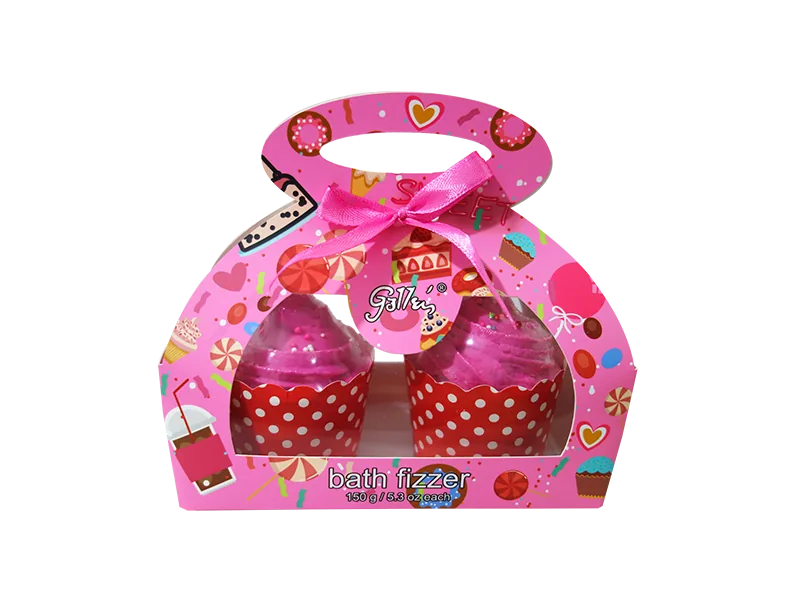
private label bath bomb is the most striking offspring of Lily Bath Commodity Company by adopting the advanced facilities and state-of-the-art technology. It stands out for its durability and functionality, and has received related quality certifications as well. Thanks to the perfect cooperation of our R&D team and innovative designers, it has a unique appearance, attracting many customers.
Lily Bath products have helped win more fame for us. Based on the feedback from customers, we conclude that there are several reasons. Firstly, thanks to the exquisite craftsmanship and unique style, our products have attracted an increasing number of customers to visit us. And, our products have helped customers gain more benefits at a surprisingly skyrocketing speed. Our products have been spreading to the market and our brand becomes more influential.
Private label bath bombs offer a customizable bathing experience by dissolving in water to provide vibrant colors and captivating fragrances. Formulated to nourish the skin and enhance relaxation, these bombs allow brands to personalize their products. Each piece gently fizzes, transforming baths into luxurious skincare moments.
Private label bath bombs offer businesses the opportunity to create customized, branded products that cater to diverse customer preferences. With options for unique scents, colors, and ingredients, these bath bombs provide a luxurious, therapeutic experience while allowing companies to establish their own identity in the market.
1. Choose from a wide range of essential oils or fragrances to target specific customer preferences, such as lavender for relaxation or citrus for energizing effects.
2. Customize colors, shapes, and sizes to align with your brand’s aesthetic or seasonal themes, enhancing visual appeal and marketability.
3. Select additional ingredients like dried flowers, exfoliating salts, or moisturizing butters to address skincare needs and differentiate your product.
4. Opt for eco-friendly or biodegradable packaging to appeal to environmentally conscious consumers while reinforcing your brand values.
Are you curious about the costs involved when working with a private label body care manufacturer? Look no further! In this article, we break down and explain the various expenses associated with manufacturing your own line of body care products. Whether you're a seasoned entrepreneur or just starting out in the industry, understanding these costs is crucial to a successful partnership with a private label manufacturer. Read on to gain valuable insights and make informed decisions for your body care business.- Understanding the Basics of Private Label Body Care ManufacturingWhen it comes to private label body care manufacturing, there are several important factors to consider in order to fully understand the costs involved. In this article, we will delve into the basics of private label body care manufacturing and explore the various costs associated with this process.Private label body care manufacturing involves the production of cosmetic and personal care products that are branded and sold by a retailer or a company under their own label. This allows businesses to offer unique products to their customers without having to invest in the research, development, and production of the products themselves.One of the key factors that will impact the cost of private label body care manufacturing is the type of product being produced. Body care products can range from simple lotions and creams to more complex products such as serums, scrubs, and masks. The complexity of the formulation and the ingredients used will greatly affect the cost of production.In addition to the product itself, the packaging and labeling of the products will also impact the overall cost. Custom packaging and labeling can add a significant expense to the manufacturing process, but they are essential in creating a unique and appealing product that stands out on the shelves.Another important cost to consider is the manufacturing process itself. The cost of producing body care products will vary depending on whether they are produced in-house or outsourced to a third-party manufacturer. In-house production may require the purchase of equipment and supplies, as well as the hiring of skilled labor, while outsourcing can be more cost-effective but may require a longer lead time.Quality control and testing are also important factors to consider when calculating the cost of private label body care manufacturing. Ensuring that the products meet strict quality standards and regulatory requirements can add to the overall cost, but it is essential in building a trustworthy and reliable brand.Overall, understanding the basics of private label body care manufacturing is crucial for businesses looking to enter this lucrative industry. By considering all of the factors that impact the cost of production, companies can make informed decisions that will help them create high-quality, marketable products that meet the needs of their customers.- Factors Affecting Costs in Private Label Body Care ManufacturingPrivate label body care manufacturing is a thriving industry that caters to the growing demand for personalized and quality skincare products. When it comes to the production of private label body care items, various factors come into play in determining the costs involved. In this article, we will delve into the different aspects that impact the costs of private label body care manufacturing.One of the key factors affecting costs in private label body care manufacturing is the quality of ingredients used in the products. High-quality ingredients sourced from reputable suppliers often come at a higher price, but they can significantly enhance the efficacy and marketability of the final products. On the other hand, using lower quality or subpar ingredients may result in lower production costs, but it can compromise the overall quality and appeal of the body care items.Another crucial factor that influences costs in private label body care manufacturing is the scale of production. Larger production runs typically result in economies of scale, leading to lower production costs per unit. Conversely, smaller production batches may incur higher costs due to factors such as setup fees, minimum order quantities, and labor expenses. Manufacturers need to carefully consider the optimal production volume to minimize costs while meeting market demand.The complexity and customization of the private label body care products also play a significant role in determining manufacturing costs. Products that require intricate formulations, special packaging, or unique design elements may incur higher production costs compared to standard or off-the-shelf items. Additionally, customization factors such as fragrance selection, product testing, and regulatory compliance can add to the overall manufacturing expenses.Furthermore, the choice of production facilities and equipment can impact the costs of private label body care manufacturing. Manufacturers may opt for in-house production facilities, contract manufacturing services, or a combination of both. Each option has its own cost considerations, including initial setup costs, ongoing operational expenses, and quality control measures. The selection of suitable manufacturing equipment and technology also influences production costs, as efficient and automated processes can help streamline operations and reduce labor costs.Supply chain management is another critical factor that affects costs in private label body care manufacturing. Manufacturers need to efficiently source raw materials, packaging components, and other production inputs to minimize expenses and ensure timely delivery. Effective supply chain management practices such as inventory control, vendor partnerships, and logistics optimization can help reduce costs and improve production efficiency.In conclusion, the costs of private label body care manufacturing are influenced by a myriad of factors, including ingredient quality, production scale, product complexity, production facilities, and supply chain management. Manufacturers must carefully evaluate these factors and make strategic decisions to optimize costs while delivering high-quality body care products that meet consumer expectations. By understanding and addressing the key cost drivers in private label body care manufacturing, manufacturers can enhance their competitiveness in the market and maintain profitability in the long run.- Comparing Cost Structures of Private Label Body Care ManufacturersPrivate label body care manufacturers play a crucial role in the beauty and skincare industry by providing retailers with their own branded products. These manufacturers are responsible for designing, developing, and producing a wide range of body care products, including lotions, creams, soaps, and more. A key aspect of these manufacturers' operations is their cost structure, which can vary significantly depending on various factors.There are several key factors that can impact the cost structure of private label body care manufacturers. One of the main factors is the size and scale of the manufacturer's operations. Larger manufacturers with more extensive production facilities and resources may be able to achieve economies of scale, driving down their production costs. On the other hand, smaller manufacturers may have higher costs due to their smaller scale of operations.Another important factor that can impact the cost structure of body care manufacturers is the types of ingredients and materials used in their products. High-quality, premium ingredients can drive up production costs, but may also result in higher-quality products that can command higher prices in the market. Conversely, manufacturers that use lower-quality, cheaper ingredients may have lower production costs, but their products may not be as competitive in terms of quality.Additionally, the manufacturing processes and technologies used by body care manufacturers can also impact their cost structure. Manufacturers that invest in advanced, efficient manufacturing technologies may be able to reduce their production costs and improve their overall operational efficiency. On the other hand, manufacturers that rely on outdated or inefficient production processes may face higher costs and lower profit margins.It is also important to consider the distribution and sales channels utilized by private label body care manufacturers. Manufacturers that sell their products directly to retailers may be able to command higher prices and profit margins, as they can cut out the middleman and retain more control over their pricing. Conversely, manufacturers that rely on distributors or wholesalers may face lower profit margins due to additional costs and markups in the distribution chain.In conclusion, the cost structure of private label body care manufacturers is influenced by a variety of factors, including the size and scale of their operations, the types of ingredients used in their products, the manufacturing processes and technologies they employ, and their distribution and sales channels. By understanding these factors and how they impact costs, manufacturers can optimize their operations and improve their profitability in the competitive body care market.- Strategies to Lower Costs in Private Label Body Care ManufacturingPrivate label body care manufacturing is a lucrative business that offers a wide range of beauty and skincare products to consumers. However, in order to succeed in this competitive industry, manufacturers must find ways to lower their costs without compromising on the quality of their products. In this article, we will explore some strategies that body care manufacturers can implement to reduce their expenses and increase their profitability.One of the most effective ways for body care manufacturers to lower their costs is by sourcing high-quality raw materials at competitive prices. By partnering with reliable suppliers and negotiating favorable terms, manufacturers can secure the best possible deals on ingredients such as essential oils, botanical extracts, and preservatives. Additionally, by buying in bulk and taking advantage of seasonal discounts, manufacturers can further drive down their production costs.Another key area where body care manufacturers can save money is in the production process itself. By streamlining their manufacturing operations and investing in efficient machinery and technology, manufacturers can increase their productivity and reduce the time and labor required to produce their products. This not only lowers manufacturing costs but also allows manufacturers to meet customer demand more quickly, leading to increased sales and profitability.In addition to optimizing their sourcing and production processes, body care manufacturers can also lower their costs by reducing waste and minimizing overhead expenses. By implementing strict quality control measures and monitoring their inventory levels closely, manufacturers can avoid costly mistakes and prevent product wastage. Furthermore, by outsourcing non-core functions such as packaging and labeling to third-party providers, manufacturers can focus on their core competencies and increase their efficiency.One often overlooked strategy for lowering costs in private label body care manufacturing is by investing in research and development. By continuously innovating and improving their product formulations, manufacturers can create premium products that command higher prices in the market. This not only increases their profit margins but also enhances their brand reputation and customer loyalty. Additionally, by staying ahead of industry trends and consumer preferences, manufacturers can capitalize on new market opportunities and grow their business.In conclusion, there are several strategies that body care manufacturers can implement to lower their costs and increase their profitability. By sourcing high-quality raw materials, optimizing their production processes, reducing waste, and investing in research and development, manufacturers can stay competitive in the fast-paced beauty and skincare industry. Ultimately, by focusing on cost-saving measures and efficiency improvements, manufacturers can achieve long-term success and sustainable growth in the private label body care market.- Key Considerations in Selecting a Private Label Body Care ManufacturerWhen it comes to selecting a private label body care manufacturer, there are several key considerations that should be taken into account in order to ensure the success of your product line. Understanding the costs associated with working with a private label body care manufacturer is essential in making informed decisions for your business.One of the first things to consider when choosing a private label body care manufacturer is the quality of their products. You want to partner with a manufacturer that is known for producing high-quality body care products that meet your standards and the expectations of your customers. Look for manufacturers that use premium ingredients and adhere to strict quality control measures to ensure consistency in the products they produce.Another important consideration is the manufacturer's capabilities and production capacity. Make sure the manufacturer has the resources and expertise to handle the volume of products you require, and can accommodate any special requirements or customizations you may need. It's also beneficial to choose a manufacturer that offers a wide range of product options and formulations to suit your specific needs.Cost is a significant factor to consider when selecting a private label body care manufacturer. It's important to have a clear understanding of the costs involved in working with a manufacturer, including production costs, packaging costs, and any additional fees or charges. Make sure to request a detailed breakdown of the costs involved so you can accurately assess the overall investment required for your product line.In addition to costs, it's important to consider the manufacturer's reputation and track record in the industry. Look for manufacturers that have a proven track record of success and positive reviews from other clients. A reputable manufacturer will be transparent about their processes and willing to provide references or samples of their work to help you make an informed decision.Communication is also a key consideration when choosing a private label body care manufacturer. Make sure the manufacturer is responsive to your inquiries and able to communicate effectively throughout the production process. A manufacturer that is easy to work with and keeps you informed every step of the way will help ensure a smooth and successful partnership.Ultimately, selecting a private label body care manufacturer is a critical decision that can impact the success of your product line. By carefully considering the quality, capabilities, costs, reputation, and communication of potential manufacturers, you can make an informed decision that will benefit your business in the long run. Choose a manufacturer that aligns with your brand values and vision, and you'll be on your way to creating a successful line of private label body care products.ConclusionIn conclusion, understanding the costs associated with private label body care manufacturing is crucial for any business looking to enter this competitive industry. By breaking down the various expenses involved, companies can make informed decisions about their product offerings and pricing strategies. From formulation and packaging to production and distribution, every aspect of the manufacturing process must be carefully considered to ensure both quality and profitability. By partnering with a reputable private label manufacturer, businesses can streamline their operations and focus on growing their brand. Ultimately, investing in high-quality products and strategic cost management will position companies for success in the thriving body care market.
Are you looking to launch your own line of body care products but don't know where to start? Look no further! In our article "Private Label Success: Partnering With Top Body Care Manufacturers," we delve into the world of private label manufacturing and share how partnering with top manufacturers can help you achieve success in the competitive body care industry. Read on to discover the benefits of collaborating with experienced professionals and taking your brand to the next level.- The Benefits of Private Label Body Care ProductsPrivate Label Success: Partnering With Top Body Care Manufacturers - The Benefits of Private Label Body Care ProductsWhen it comes to the beauty and skincare industry, private label body care products have become increasingly popular among both consumers and retailers. These products, which are created by top body care manufacturers and then rebranded by retailers, offer a range of benefits for all parties involved.One of the key advantages of partnering with a body care manufacturer for private label products is the ability to create a unique and customized product line. Retailers can work closely with manufacturers to develop products that cater to their specific target market, from choosing ingredients and scents to designing packaging and labels. This level of customization allows retailers to stand out in a crowded market and offer customers something truly special.Additionally, partnering with top body care manufacturers can also help retailers save time and money. Instead of investing in expensive R&D and production facilities, retailers can rely on the expertise and resources of the manufacturer to create high-quality products at a competitive price. This not only streamlines the production process but also allows retailers to focus on other aspects of their business, such as marketing and sales.Furthermore, private label body care products offer retailers greater control over their brand and product offerings. By working with a reputable manufacturer, retailers can ensure that their products meet high-quality standards and are produced ethically and sustainably. This level of transparency and accountability can help build trust with customers and enhance the overall reputation of the brand.From a consumer perspective, private label body care products also have several benefits. These products often offer the same quality as leading skincare brands at a more affordable price point. Additionally, private label products can be tailored to specific skin types and concerns, providing consumers with a more personalized and effective skincare solution.In conclusion, partnering with top body care manufacturers for private label products can be a win-win for retailers and consumers alike. By creating customized, high-quality products at a competitive price point, retailers can differentiate themselves in the market and build a loyal customer base. At the same time, consumers can enjoy affordable, effective skincare solutions that cater to their individual needs.Overall, private label body care products offer a range of benefits that make them a smart choice for retailers looking to enhance their brand and product offerings.- How to Choose the Best Body Care Manufacturer for Your Private LabelWhen it comes to starting a private label body care business, one of the most important decisions you will make is choosing the right body care manufacturer to partner with. With so many manufacturers to choose from, it can be overwhelming to select the best one for your brand. In this article, we will discuss how to choose the best body care manufacturer for your private label, ensuring a successful partnership and profitable business.First and foremost, it is essential to do thorough research on body care manufacturers before making a decision. Look for manufacturers with a strong reputation and years of experience in the industry. Check their credentials, certifications, and client testimonials to ensure they are reliable and trustworthy. It is also important to consider the quality of their products and their manufacturing processes. Ensure that the manufacturer uses high-quality ingredients and follows strict quality control measures to produce safe and effective body care products.In addition to quality, consider the range of products and services offered by the manufacturer. Look for a manufacturer that can provide a wide variety of body care products, such as lotions, creams, body washes, and scrubs, to meet the diverse needs of your target market. It is also important to consider whether the manufacturer offers custom formulation services, allowing you to create unique and exclusive products for your brand.Furthermore, consider the manufacturer's production capacity and lead times. Choose a manufacturer that can handle the volume of orders you expect to receive and deliver products in a timely manner. It is important to have a reliable manufacturer who can meet your business's demands and help you grow your brand.Another important factor to consider when choosing a body care manufacturer is their pricing and terms. Compare quotes from different manufacturers to ensure you are getting competitive pricing for your products. Consider the manufacturer's terms and conditions, including minimum order quantities, payment terms, and shipping costs, to ensure they align with your business's needs and budget.Finally, consider the manufacturer's customer service and support. Choose a manufacturer that is responsive and communicative, and can provide you with the assistance and guidance you need to launch and grow your private label body care business. A manufacturer who is committed to your success and invested in building a strong partnership with you will contribute to the success of your brand.In conclusion, choosing the best body care manufacturer for your private label is a crucial step in building a successful body care business. By doing thorough research, considering factors such as quality, range of products, production capacity, pricing, and customer service, you can find a manufacturer that meets your business's needs and helps you achieve your goals. Partnering with a top body care manufacturer will ensure that your private label body care products are of the highest quality and have a competitive edge in the market.- Developing a Successful Partnership with Top Body Care ManufacturersWhen it comes to creating a successful private label body care product, partnering with top body care manufacturers is crucial. These manufacturers have the expertise, resources, and industry knowledge needed to ensure the success of your product. By developing a strong partnership with a reputable body care manufacturer, you can access top-quality products, innovative formulations, and reliable production processes. This article will delve into the key considerations and strategies for building a successful partnership with top body care manufacturers.One of the first steps in partnering with a body care manufacturer is to conduct thorough research. It is essential to find a manufacturer that aligns with your brand values, product requirements, and target market. Look for manufacturers with a track record of producing high-quality body care products, certifications for quality and safety standards, and the capability to meet your production needs. Consider visiting the manufacturer's facilities, conducting interviews, and requesting samples to assess their capabilities and quality.Communication is key in establishing a successful partnership with a body care manufacturer. Clearly communicate your expectations, product requirements, brand guidelines, and timelines to ensure that both parties are on the same page. Regular communication throughout the product development process is essential to address any issues or changes that may arise and ensure a smooth collaboration. Building a strong relationship with your manufacturer based on trust, transparency, and open communication will set the foundation for a successful partnership.Collaboration and innovation are also essential components of a successful partnership with top body care manufacturers. Work closely with your manufacturer to co-create unique formulations, packaging designs, and product concepts that align with your brand identity and meet consumer demands. Top manufacturers often have a team of experienced chemists, researchers, and product developers who can help bring your vision to life and differentiate your product from competitors. By fostering a culture of collaboration and innovation, you can stay ahead of industry trends and continuously improve your product offerings.Quality control and compliance are critical aspects of partnering with top body care manufacturers. Ensure that your manufacturer follows strict quality control measures, adheres to industry regulations, and uses safe and ethically sourced ingredients in their products. Conduct regular audits and inspections to verify the manufacturer's compliance with quality and safety standards and address any issues promptly. By prioritizing quality control and compliance, you can guarantee the safety, efficacy, and integrity of your products and build trust with consumers.In conclusion, partnering with top body care manufacturers can be a game-changer for your private label body care business. By selecting the right manufacturer, establishing clear communication, fostering collaboration and innovation, and prioritizing quality control and compliance, you can develop successful partnerships that drive the growth of your brand. Remember to choose a manufacturer that aligns with your brand values, invest in building a strong relationship, and continuously strive for excellence in product development. With the right strategies and mindset, you can create top-quality body care products that resonate with consumers and make a lasting impact in the beauty industry.- Strategies for Marketing Your Private Label Body Care ProductsIn the competitive world of body care products, partnering with top body care manufacturers can be the key to success for private label brands. These manufacturers have the expertise, resources, and infrastructure to help private label brands bring their products to market and compete with larger, established brands. In this article, we will explore strategies for marketing private label body care products in partnership with top manufacturers.One of the most important aspects of marketing private label body care products is branding. A strong brand identity can help differentiate your products from competitors and attract customers. When partnering with a top body care manufacturer, it is important to work closely with them to develop a branding strategy that aligns with your target market and conveys your brand values. This can include creating a unique brand story, designing attractive packaging, and developing a strong online presence through social media and other marketing channels.Another important strategy for marketing private label body care products is to focus on product quality. Customers expect high-quality ingredients and effective formulations from body care products, so it is essential to work with a manufacturer that can deliver on these expectations. Top body care manufacturers have the expertise to develop innovative formulations that meet customer needs and stand out in the market. By emphasizing the quality and efficacy of your products, you can build trust with customers and establish a loyal customer base.In addition to branding and product quality, pricing is also a key factor in marketing private label body care products. It is important to work with your manufacturer to develop pricing strategies that are competitive in the market while still allowing for a reasonable profit margin. This may involve conducting market research to understand pricing trends in the body care industry and setting prices that reflect the value of your products. By offering competitive pricing, you can attract price-conscious customers and increase sales.Promotion is another crucial element of marketing private label body care products. This can include advertising, promotions, and partnerships with influencers or retailers. Working with a top body care manufacturer can give you access to their network of contacts and resources for promoting your products. By developing a comprehensive promotional strategy that reaches your target market through multiple channels, you can increase brand awareness and drive sales.Overall, partnering with top body care manufacturers can provide private label brands with the support and expertise needed to succeed in the competitive body care market. By focusing on branding, product quality, pricing, and promotion, private label brands can effectively market their products and compete with larger brands. With the right strategies in place, private label body care products can achieve success and build a loyal customer base.- Maximizing Profit Potential Through Private Label Body Care SuccessIn the ever-evolving world of retail, private label products have become a popular choice for many businesses looking to differentiate themselves from competitors. One sector that has seen significant growth in private label options is the body care industry. With consumers becoming more conscious of the ingredients in the products they use on their skin and bodies, partnering with top body care manufacturers can help businesses maximize their profit potential while offering high-quality products to their customers.When it comes to private label body care products, choosing the right manufacturer is crucial. Top body care manufacturers have the knowledge, experience, and expertise to create products that are not only effective but also safe for consumers. By partnering with a reputable manufacturer, businesses can ensure that their private label products meet the highest standards of quality and comply with regulations set by governing bodies.One of the key benefits of partnering with a top body care manufacturer is the ability to customize products to meet the specific needs and preferences of a business’s target market. Whether a business is looking to develop a line of organic body lotions, nourishing body washes, or rejuvenating facial serums, a top manufacturer can help bring these ideas to life. From selecting the right ingredients to developing unique formulations, manufacturers can work closely with businesses to create products that resonate with consumers.In addition to customization, partnering with a top body care manufacturer can also help businesses streamline their production process and reduce costs. Manufacturers often have access to the latest technology and equipment, which can help improve efficiency and productivity. By outsourcing production to a manufacturer, businesses can focus on other aspects of their operations, such as marketing and distribution, while the manufacturer takes care of manufacturing and packaging.Furthermore, partnering with a top body care manufacturer can help businesses stay ahead of trends in the industry. Manufacturers are constantly researching and developing new ingredients and formulations to meet the changing needs of consumers. By working with a manufacturer, businesses can leverage this expertise to create innovative products that set them apart from competitors. Whether it’s incorporating trendy ingredients like CBD or developing sustainable packaging options, manufacturers can help businesses stay ahead of the curve.Overall, partnering with a top body care manufacturer can help businesses maximize their profit potential through private label success. By choosing a manufacturer that prioritizes quality, customization, efficiency, and innovation, businesses can develop a strong and competitive private label body care line that resonates with consumers. With the right manufacturer by their side, businesses can take their private label products to new heights and establish themselves as leaders in the body care industry.ConclusionIn conclusion, partnering with top body care manufacturers can be the key to achieving success with private label products. By choosing to work with experienced and reputable manufacturers, brands can leverage their expertise, access high-quality ingredients, and benefit from their established networks. This collaboration can help brands develop innovative and customized products that meet the needs and preferences of their target audience. Ultimately, a successful partnership with top body care manufacturers can lead to increased brand credibility, customer loyalty, and overall business growth. So, if you’re looking to elevate your private label body care products, consider teaming up with the best in the industry to maximize your chances of success.
Are you looking to break into the body care market but can't decide between private label and contract manufacturing? In this comprehensive comparison, we will explore the differences between the two options and help you make an informed decision that aligns with your business goals and vision. Dive into the world of private label vs contract body care manufacturing to discover which path is right for you.- Differences between Private Label and Contract Manufacturing in the Body Care IndustryWhen it comes to the body care industry, there are two main options for companies looking to develop and produce their products: private label manufacturing and contract manufacturing. While both options offer advantages and disadvantages, it is essential for companies to understand the key differences between the two to make the right decision for their business.Private label manufacturing, also known as white label manufacturing, involves a company hiring a manufacturer to produce products under their own brand name. This allows companies to take advantage of the manufacturer's expertise and resources without having to invest in their facilities or equipment. Private label manufacturing is a popular choice for small to medium-sized companies looking to enter the body care market quickly and with minimal risk.On the other hand, contract manufacturing involves a company outsourcing the production of their products to a third-party manufacturer. In this arrangement, the company provides the manufacturer with the product specifications, ingredients, and packaging requirements, and the manufacturer handles the production process. Contract manufacturing is often chosen by larger companies looking to scale up production or outsource specific parts of their manufacturing process.One of the key differences between private label and contract manufacturing in the body care industry is control. With private label manufacturing, companies have more control over the branding, marketing, and packaging of their products since they are being produced under their brand name. This allows companies to create a unique identity for their products and build customer loyalty. In contrast, contract manufacturing limits the company's control over the production process, as the manufacturer is responsible for producing the products according to the company's specifications.Cost is another essential factor to consider when comparing private label and contract manufacturing. Private label manufacturing typically requires lower upfront costs since companies are not responsible for investing in manufacturing facilities or equipment. On the other hand, contract manufacturing may have higher production costs, but it can be more cost-effective in the long run for companies looking to scale up or streamline their production process.Quality is also crucial when choosing between private label and contract manufacturing in the body care industry. Private label manufacturing allows companies to work closely with the manufacturer to ensure that the products meet their quality standards. In contrast, contract manufacturing may involve working with different manufacturers for different parts of the production process, which can impact the overall quality of the final products.In conclusion, the decision between private label and contract manufacturing in the body care industry ultimately depends on the company's specific needs, goals, and resources. Both options offer unique benefits and challenges, and companies must carefully weigh the pros and cons of each to make an informed decision. Whether a company chooses private label or contract manufacturing, finding the right body care manufacturer is essential to ensure the success of their products in the market.- Advantages of Private Label Body Care ManufacturingWhen it comes to the body care industry, there are two main options for companies looking to develop their own line of products: private label manufacturing and contract manufacturing. Both have their advantages and disadvantages, but in this article, we will focus on the benefits of private label body care manufacturing.Private label manufacturing allows companies to create custom-branded products without having to invest in their own manufacturing facilities. Instead, they can partner with a private label manufacturer who will develop and produce the products on their behalf. This can be a cost-effective solution for smaller companies or start-ups looking to bring their products to market without the high upfront costs associated with setting up their own manufacturing operations.One of the key advantages of private label body care manufacturing is the ability to create unique and customizable products. Private label manufacturers typically offer a wide range of formulation options, allowing companies to tailor their products to meet the specific needs and preferences of their target customers. This level of customization can help companies differentiate themselves in a crowded market and attract loyal customers who are looking for something unique.Another advantage of private label manufacturing is the speed to market. With a private label manufacturer handling the production process, companies can bring their products to market much faster than if they were to develop and manufacture them in-house. This can be especially important in the fast-paced beauty industry, where trends come and go quickly and companies need to be able to respond to changing consumer demands in a timely manner.In addition, private label manufacturing can help companies save on costs. By outsourcing production to a private label manufacturer, companies can save on upfront investment in manufacturing equipment and facilities, as well as ongoing operational costs. This can be particularly beneficial for smaller companies with limited resources, as it allows them to focus on other aspects of their business, such as marketing and sales.Private label manufacturing also offers companies flexibility in terms of product development and scalability. Private label manufacturers are often able to produce products in smaller batch sizes, allowing companies to test new products or variations without committing to large production runs. This can be particularly helpful for companies looking to introduce new products or expand their product lines without incurring high costs or risks.Overall, private label body care manufacturing offers companies a cost-effective, customizable, and flexible solution for developing and producing their own line of products. By partnering with a private label manufacturer, companies can take advantage of the manufacturer's expertise and capabilities to bring high-quality products to market quickly and efficiently. Whether you are a start-up looking to launch your first product line or an established company looking to expand your offerings, private label manufacturing can be a valuable tool in your arsenal.- Benefits of Contract Manufacturing for Body Care ProductsBody care products have become increasingly popular in recent years, with consumers paying more attention to their skincare routines and the ingredients in the products they use. As a result, many businesses are looking for ways to capitalize on this growing market by offering their own line of body care products. When it comes to producing these products, businesses have two main options - private label manufacturing or contract manufacturing.Private label manufacturing involves a company partnering with a manufacturer to produce products under the company’s brand name. This can be a cost-effective option for businesses looking to get into the body care market without having to invest in their own production facilities. However, there are limitations to this approach, as businesses have less control over the formulation and production process.On the other hand, contract manufacturing offers businesses more flexibility and control over the production of their body care products. Contract manufacturers are experts in producing skincare products and have the facilities and equipment needed to create high-quality products in large quantities. By working with a contract manufacturer, businesses can customize their formulations, packaging, and labeling to suit their brand and target market.One of the key benefits of contract manufacturing for body care products is the ability to scale production quickly and efficiently. Contract manufacturers have the capacity to produce large quantities of products, which is essential for meeting the demands of a growing market. This can be especially beneficial for businesses looking to expand their distribution channels or launch new product lines.Contract manufacturing also allows businesses to leverage the expertise and resources of the manufacturer. Body care manufacturers have in-depth knowledge of skincare ingredients and formulations, as well as access to the latest technologies and trends in the industry. By partnering with a contract manufacturer, businesses can benefit from this expertise and ensure that their products meet the highest quality standards.In addition, contract manufacturing can help businesses save time and money on product development and production. Contract manufacturers already have the infrastructure and systems in place to produce body care products efficiently, saving businesses the time and cost of setting up their own production facilities. This can be particularly advantageous for small and medium-sized businesses looking to compete with larger brands in the body care market.Overall, contract manufacturing offers a range of benefits for businesses looking to enter or expand in the body care market. By partnering with a contract manufacturer, businesses can access expertise, resources, and production capabilities that would be difficult to replicate on their own. With the increasing demand for high-quality body care products, contract manufacturing is a strategic option for businesses looking to stay competitive in the industry.- Factors to Consider when Choosing Between Private Label and Contract ManufacturingWhen it comes to choosing a body care manufacturer, there are several factors to consider in order to make the best decision for your business. Two popular options in the industry are private label manufacturing and contract manufacturing. Each option has its own set of advantages and disadvantages, so it's important to carefully weigh these factors before making a decision.Private label manufacturing involves working with a manufacturer who already has existing formulas and products that can be branded with your company's logo and packaging. This option is great for businesses looking to quickly launch a new product line without investing in the research and development of their own formulas. Private label manufacturers often have a wide range of products to choose from, allowing businesses to easily expand their offerings.On the other hand, contract manufacturing involves working with a manufacturer to develop custom formulations and products specifically for your brand. This option gives businesses more control over the ingredients, packaging, and branding of their products. While contract manufacturing may require a larger upfront investment and longer lead times, it can result in a truly unique product that sets your brand apart from the competition.One important factor to consider when choosing between private label and contract manufacturing is cost. Private label manufacturing is often more cost-effective for businesses with limited budgets, as it eliminates the need for product development and formulation costs. Contract manufacturing, on the other hand, may require a larger initial investment, but can result in higher profit margins in the long run.Another factor to consider is production capacity. Private label manufacturers may have limited production capabilities, which can be a drawback for businesses with high volume orders. Contract manufacturers, on the other hand, often have the resources and facilities to handle large-scale production, making them a better option for businesses looking to scale quickly.Quality control is also an important consideration when choosing a body care manufacturer. Private label manufacturers may not always meet the same quality standards as contract manufacturers, as they may prioritize quantity over quality. Contract manufacturers, on the other hand, are typically more focused on producing high-quality products that meet strict industry standards.In conclusion, when choosing a body care manufacturer, it's important to consider factors such as cost, production capacity, and quality control. Both private label and contract manufacturing have their own set of advantages and disadvantages, so it's important to carefully weigh these factors to determine which option is the best fit for your business. By taking the time to research and compare different manufacturers, you can make an informed decision that will help you achieve your business goals.- The Future of Private Label and Contract Body Care ManufacturingBody care manufacturing has undergone significant advancements in recent years, with private label and contract manufacturing emerging as two prominent options for companies looking to develop their own lines of body care products. In this article, we will explore the differences between private label and contract body care manufacturing, as well as the future trends that are shaping the industry.Private label manufacturing involves a company working with a manufacturer to develop products under the company's own brand name. This allows companies to have control over the formulation, packaging, and branding of the products without having to invest in manufacturing facilities or equipment. Private label manufacturing is ideal for companies looking to quickly launch new products or expand their existing product lines.On the other hand, contract body care manufacturing involves outsourcing the production of body care products to a third-party manufacturer. In this arrangement, the manufacturer works with the company to develop and produce products based on the company's specifications. Contract manufacturing is often preferred by companies looking to scale up production, reduce costs, or leverage the expertise of a specialized manufacturer.One of the key differences between private label and contract manufacturing is the level of control that companies have over the production process. With private label manufacturing, companies have more control over the formulation and branding of the products, while contract manufacturing allows companies to outsource the entire production process to a specialized manufacturer.In terms of future trends, the body care manufacturing industry is expected to see continued growth in both private label and contract manufacturing. The demand for natural and organic body care products is on the rise, leading to an increase in the development of products that are free from harsh chemicals and artificial ingredients. Companies that offer customizable and personalized body care products are also expected to gain traction in the market.Overall, the future of private label and contract body care manufacturing looks promising, with companies having a wide range of options to choose from when developing their own lines of body care products. Whether companies opt for private label or contract manufacturing, one thing is clear – the body care industry is evolving to meet the changing needs and preferences of consumers. As the market continues to expand, companies that prioritize quality, innovation, and sustainability will likely see success in the competitive body care manufacturing landscape.ConclusionIn conclusion, the decision between private label and contract body care manufacturing ultimately comes down to the specific needs and goals of your business. Private label offers the advantage of control and customization, while contract manufacturing provides expertise and scalability. By understanding the differences and benefits of each option, you can make an informed decision that aligns with your brand's vision and objectives. Whether you choose private label or contract manufacturing, the key is to prioritize quality, consistency, and customer satisfaction to ensure the success of your body care products in the competitive market. Ultimately, both avenues offer opportunities for growth and innovation in the booming body care industry.
Are you considering creating your own line of skin care products but unsure whether to go with white label or private label options? In this article, we will discuss the differences between the two, their pros and cons, and ultimately determine which one is better for your brand. Read on to discover the best choice for your skincare business!- Understanding the Differences Between White Label and Private Label Skin CareAs the beauty industry continues to thrive and evolve, the concept of private label skin care has become increasingly popular among both consumers and businesses. With an abundance of options available on the market, it can be challenging to understand the differences between white label and private label skin care products. In this article, we will delve into the nuances of these two types of products to help you make an informed decision on which is better for your skincare needs.Private label skin care products are formulated and produced by a manufacturer or supplier on behalf of a retailer or brand. These products are then sold under the retailer or brand’s name, giving them full control over the branding, packaging, and marketing of the products. This allows companies to create a unique and customized skincare line that reflects their brand's identity and values. Private label products are typically more expensive than white label products, but they offer a higher level of exclusivity and customization.On the other hand, white label skin care products are pre-formulated and pre-packaged products that are sold to multiple retailers or brands under their own labels. This means that multiple companies can sell the same product under different brand names, reducing the exclusivity of the product. White label products are often more affordable than private label products, making them a popular choice for businesses looking to quickly and cost-effectively launch a skincare line.When it comes to quality, both white label and private label skin care products can vary depending on the manufacturer or supplier. However, private label products typically offer higher quality and more customization options compared to white label products. With private label products, companies have the opportunity to work closely with the manufacturer to develop unique formulations tailored to their specific needs and preferences.In terms of branding and marketing, private label skin care products allow companies to create a cohesive and consistent brand image across all their products. This can help build brand loyalty and trust among consumers, leading to increased sales and customer retention. On the other hand, white label products may lack the same level of branding and marketing support, as they are typically sold to multiple retailers with different branding strategies.In conclusion, the decision between white label and private label skin care ultimately depends on your business goals, budget, and branding strategy. If you are looking for a customizable and exclusive skincare line that reflects your brand’s identity, private label products may be the better option for you. However, if you are looking for a cost-effective solution to quickly launch a skincare line, white label products may be more suitable for your needs. Regardless of your choice, it is important to work with a reputable manufacturer or supplier to ensure the quality and safety of your skincare products.- Benefits of White Label Skin Care ProductsThe beauty industry is constantly evolving, with new trends and products being introduced every day. One of the latest trends in skin care is the rise of private label skin care products. These products, which are created by one company and sold by another under their own brand name, are becoming increasingly popular among consumers for a variety of reasons.One of the main benefits of private label skin care products is the ability for companies to create their own unique brand identity. By partnering with a manufacturer that offers private label services, businesses can tailor the products to their specific needs and target market. This allows them to offer customers something truly unique and different from what is already on the market.In addition, private label skin care products often come with lower minimum order quantities than traditional branded products. This means that businesses can order smaller quantities of products, reducing their upfront costs and risk. This is particularly beneficial for smaller businesses or startups who may not have the resources to invest in large quantities of inventory.Private label skin care products also offer businesses the flexibility to customize the products to suit their brand and customer preferences. This includes choosing the packaging design, product formulation, and even the scents and ingredients used in the products. By creating products that align with their brand values and customer needs, businesses can build a loyal customer base and drive sales.Furthermore, private label skin care products often have faster turnaround times than traditional branded products. This means that businesses can quickly launch new products and respond to changing market trends in a timely manner. This agility is crucial in the fast-paced beauty industry, where staying ahead of the competition is key to success.Overall, private label skin care products offer a range of benefits for businesses looking to enter the beauty market or expand their existing product line. From creating a unique brand identity to customizing products to suit their target market, private label skin care products offer businesses the flexibility, affordability, and agility needed to thrive in the competitive beauty industry. So, if you are considering entering the skin care market, private label products may be the way to go.- Advantages of Private Label Skin Care ProductsPrivate label skin care products have become increasingly popular in recent years, as more and more consumers are looking for high-quality, customized skincare options. In this article, we will explore the advantages of private label skin care products compared to white label options, and why they may be the better choice for both consumers and businesses.One of the main advantages of private label skin care products is the ability to create a unique product that is exclusive to your brand. With private label options, you have the freedom to choose the ingredients, formulation, packaging, and branding of your products, allowing you to create a product that stands out in a crowded market. This level of customization can help to differentiate your brand from competitors and attract more customers.Another benefit of private label skin care products is the ability to control the quality and consistency of your products. With white label options, you may not have as much control over the ingredients and manufacturing processes, which can result in a lower quality product. By working with a private label manufacturer, you can ensure that your products are made with high-quality ingredients and meet your brand's standards.Additionally, private label skin care products can help to increase brand loyalty and trust among consumers. When you create a unique product that is exclusive to your brand, customers are more likely to be loyal to your brand and trust your products. This can lead to increased customer retention and repeat purchases, ultimately helping to grow your business.Private label skin care products also offer more flexibility when it comes to marketing and pricing. With white label options, you may be limited in how you can market and price your products, as they are often sold under the manufacturer's brand. However, with private label options, you can create your own marketing campaigns and set your own prices, giving you more control over your brand's image and profitability.In conclusion, private label skin care products offer a range of advantages over white label options, including the ability to create unique, high-quality products, increase brand loyalty and trust, and have more flexibility in marketing and pricing. By choosing private label options, businesses can differentiate themselves in the competitive skincare market and attract more customers. If you are looking to launch a skincare line or expand your current product offering, private label skin care products may be the ideal choice for your brand.- Factors to Consider When Choosing Between White Label and Private Label Skin CareWhen it comes to launching a skincare product line, one of the biggest decisions you'll have to make is whether to go with white label or private label products. Both options have their own set of advantages and disadvantages, and it's important to carefully consider your options before making a decision.Private label skincare products are products that are produced specifically for a particular brand or retailer. This means that you have control over the formulation, packaging, and branding of the products. Private label products are typically higher in quality and more customizable than white label products.One of the main factors to consider when choosing between white label and private label skincare is control. With private label products, you have complete control over the formulation and quality of the products. This means that you can create a unique product that meets the specific needs of your target market. On the other hand, white label products are already formulated and packaged, so you have less control over the final product.Another factor to consider is branding. Private label products allow you to create a unique brand identity and stand out from the competition. You can customize the packaging, labeling, and marketing materials to reflect your brand's image and values. With white label products, you are essentially selling the same products as other brands, which can make it harder to differentiate yourself in the market.Cost is also an important factor to consider when choosing between white label and private label skincare products. Private label products are typically more expensive upfront because you have to pay for the formulation, packaging, and branding of the products. However, in the long run, private label products can be more cost-effective because you can set your own prices and control your profit margins. White label products, on the other hand, are cheaper upfront but you may have to compete on price with other brands selling the same products.In conclusion, there are several factors to consider when choosing between white label and private label skincare products. Private label products offer more control, branding opportunities, and potentially higher profit margins. However, they can be more expensive upfront. On the other hand, white label products are cheaper upfront but offer less control and branding opportunities. Ultimately, the best option for your skincare brand will depend on your budget, goals, and target market.- Making the Decision: Which Option is Better for Your Skin Care Business?Starting a skin care business can be an exciting endeavor, but one of the biggest decisions you will have to make is whether to go with white label or private label products. In this article, we will focus on the benefits of private label skin care products and why they may be the better option for your business.Private label skin care products are formulations that are created specifically for your brand. This means that you have more control over the ingredients, packaging, and branding of the products. With white label products, on the other hand, you are essentially selling products that are already made by a manufacturer and simply slapping your label on them.One of the biggest advantages of private label skin care products is that they allow you to create a unique and personalized product line that sets your brand apart from the competition. You can work closely with a manufacturer to develop custom formulations that cater to the specific needs of your target market. This level of customization is not possible with white label products, which are often generic and mass-produced.Another benefit of private label skin care products is that they give you more control over the quality of the products. When you work with a reputable manufacturer to create your own formulations, you can ensure that the products meet the highest industry standards and are made with high-quality ingredients. This level of quality control is crucial for building trust with your customers and establishing a loyal customer base.Additionally, private label skin care products give you the flexibility to experiment with new formulations and constantly innovate your product line. You can easily add new products to your line or make tweaks to existing products based on customer feedback and market trends. This agility can help you stay ahead of the competition and adapt to the ever-changing demands of the beauty industry.While private label skin care products offer numerous benefits, it is important to consider the potential drawbacks as well. Developing custom formulations can be a time-consuming and expensive process, especially if you are working with a manufacturer for the first time. Additionally, you may need to invest in marketing and branding efforts to establish your brand in a competitive market.In conclusion, private label skin care products offer a unique opportunity for entrepreneurs to create a customized product line that reflects their brand identity and values. While there are challenges associated with developing custom formulations, the benefits of quality control, innovation, and differentiation make private label products a worthwhile investment for any skin care business. If you are looking to stand out in the beauty industry and build a strong brand reputation, private label skin care products may be the better option for you.ConclusionIn conclusion, both white label and private label skin care products have their own unique advantages and disadvantages. White label products offer quick and easy access to a wide range of products, while private label products allow for more customization and branding opportunities. Ultimately, the decision between the two comes down to the specific needs and goals of your business. Consider factors such as budget, branding, and product quality when making your decision. Whichever option you choose, the most important thing is to ensure that the products you offer meet the needs and expectations of your customers.
we welcome custom designs and ideas and is able to cater to the specific requirements.
With deep culture, keep facing future in Beauty & Personal Care field.