


Private Label Cosmetic Products: Things You May Want to Know
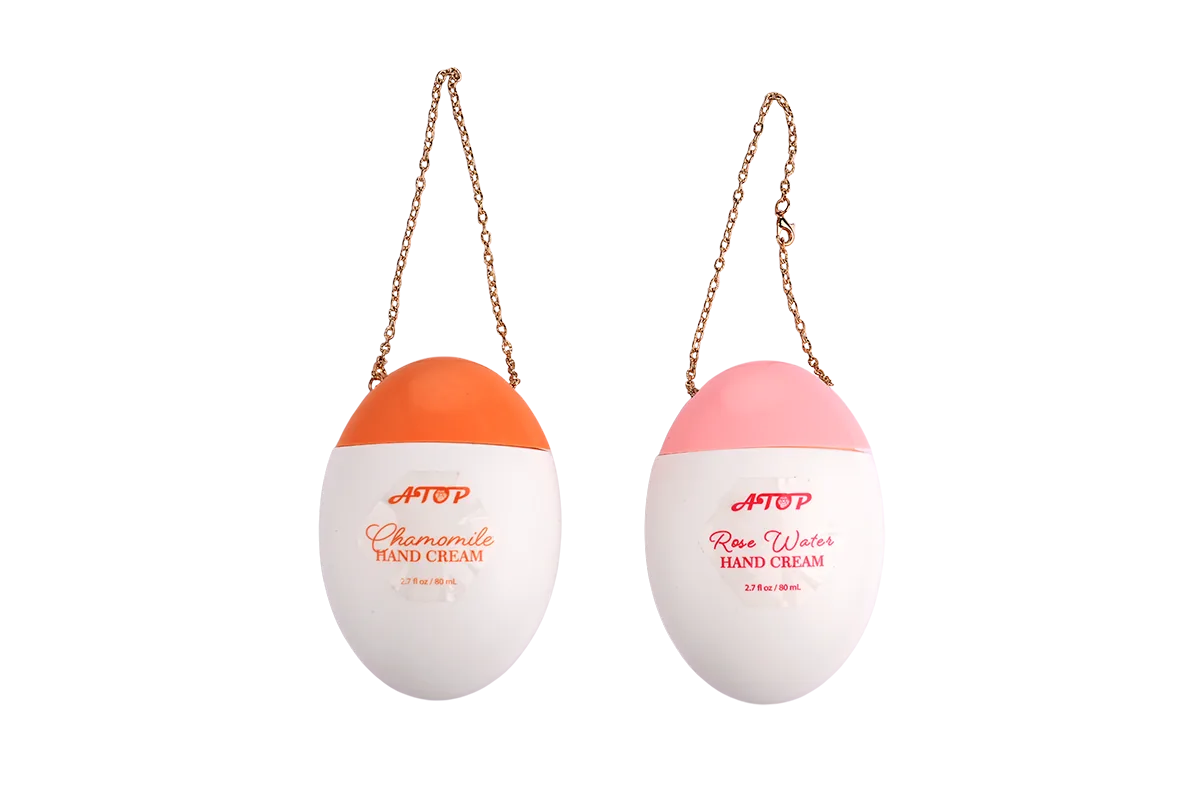
private label cosmetic products is designed with appearance and functionality which are consistent with what is expected by customers. Lily Bath Commodity Company has a strong R&D team to research the changing requirements on the product in the global market. In addition, the product is highly cost-efficient and practical. The adoption of high-quality materials and advanced production technology ensures that the product is with a long service life and reliability.
We remain active in various social media, such as Twitter, YouTube, Facebook and so on and actively interact with global customers through posting the pictures and videos of products, companies or production process, enabling global customers to know more clearly about our products and our strength. Our Lily Bath is thus greatly enhanced in its awareness and builds trust with global customers.
Through Lily Bath, we provide private label cosmetic products and other suchlike products which can be standardized and customized. We keep our focus on meeting customer requirements for quality and on-time delivery at a fair and reasonable price.
Lily Bath Commodity Company is listed as one of the leading enterprises in the private label cosmetic products industry.
Are you tired of generic body care products that don't quite meet your needs? Have you considered working with a body care manufacturer to create custom products tailored specifically to your preferences? In this article, we'll delve into the reasons why choosing a body care manufacturer for custom products can be a game-changer for your skincare routine. Discover the benefits of customized products and how they can transform your beauty regimen.Benefits of Custom Body Care ProductsWhen it comes to body care products, there are countless options available on the market. From lotions to scrubs to oils, the choices can be overwhelming. However, one option that is gaining popularity is custom body care products. These products are specifically formulated to meet the unique needs and preferences of the individual. In this article, we will explore the benefits of choosing a body care manufacturer for custom products. One of the main advantages of opting for custom body care products is that you can tailor the formula to your specific skin type and concerns. Whether you have dry skin, acne-prone skin, or sensitive skin, a body care manufacturer can create a product that caters to your needs. This level of customization ensures that you are using a product that is not only effective but also safe for your skin. Another benefit of custom body care products is the ability to choose the ingredients that go into the formulation. Many commercial body care products contain harsh chemicals and synthetic fragrances that can irritate the skin. By working with a body care manufacturer, you can select natural and organic ingredients that are gentle and nourishing. This allows you to create a truly personalized product that aligns with your values and concerns. In addition to choosing the ingredients, custom body care products also give you the opportunity to control the scent and texture of the product. Whether you prefer a light, floral scent or a rich, creamy texture, a body care manufacturer can accommodate your preferences. This level of customization ensures that you not only enjoy using the product but also look forward to incorporating it into your daily skincare routine. Furthermore, custom body care products are often more potent and effective than their mass-produced counterparts. Since the formulation is tailored to your specific needs, you can expect to see quicker and more noticeable results. Whether you are looking to hydrate dry skin, reduce the appearance of fine lines, or improve overall skin health, a custom body care product can help you achieve your skincare goals. Lastly, choosing a body care manufacturer for custom products allows you to support small businesses and artisans. Many body care manufacturers are independent businesses that prioritize quality and craftsmanship. By purchasing custom products from these manufacturers, you are not only investing in your skin but also supporting local economies and sustainable practices. In conclusion, the benefits of choosing a body care manufacturer for custom products are vast. From personalized formulas to natural ingredients to potent effects, custom body care products offer a unique and tailored approach to skincare. If you are looking to elevate your skincare routine and address specific skin concerns, consider exploring the world of custom body care products from a reputable manufacturer.Working with a Body Care ManufacturerWhen it comes to developing custom body care products, working with a body care manufacturer can offer numerous benefits. These manufacturers specialize in creating skincare, haircare, and personal care products, and have the expertise and resources needed to bring your ideas to life. In this article, we will explore the advantages of choosing a body care manufacturer for custom products and how they can help you achieve your business goals. One of the main reasons to collaborate with a body care manufacturer is their knowledge and experience in the industry. These manufacturers have a deep understanding of the latest trends, ingredients, and formulations in the body care market. By partnering with them, you can tap into their expertise and create products that are not only effective but also in line with consumer preferences. Furthermore, body care manufacturers have access to a wide range of raw materials and ingredients, which can be crucial for developing custom products. Whether you are looking for natural, organic, or scientifically advanced ingredients, these manufacturers can source the best options for your formulations. This ensures that your products are of the highest quality and meet the standards of your target market. In addition, working with a body care manufacturer can provide cost-effective solutions for product development. These manufacturers have established relationships with suppliers and can negotiate better prices for raw materials and packaging. This can help you save money on production costs and ultimately increase your profit margins. Another advantage of partnering with a body care manufacturer is their ability to scale production according to your needs. Whether you are a small startup looking to launch a new product or a larger company expanding your product line, these manufacturers can adjust their production capacity to meet your requirements. This flexibility allows you to launch new products quickly and efficiently, without compromising on quality. Furthermore, body care manufacturers can help streamline the product development process. From formulation and testing to packaging and labeling, these manufacturers can handle all aspects of production, allowing you to focus on other aspects of your business. This can save you time and resources, and ensure that your products are ready for market launch in a timely manner. In conclusion, choosing a body care manufacturer for custom products can provide numerous benefits for businesses in the body care industry. From their expertise and access to quality ingredients to their cost-effective solutions and production capabilities, these manufacturers can help you create custom products that stand out in the market. By collaborating with a body care manufacturer, you can bring your ideas to life and achieve success in the competitive body care market.Factors to Consider when Choosing a Body Care ManufacturerWhen it comes to choosing a body care manufacturer for custom products, there are several important factors to consider. From the quality of ingredients used in their products to their manufacturing processes and customer service, selecting the right partner for your body care line can make all the difference in the success of your brand. One of the most important factors to consider when choosing a body care manufacturer is the quality of their ingredients. The ingredients used in your products will directly impact the effectiveness and safety of the final product. It is crucial to choose a manufacturer that uses high-quality, all-natural ingredients that are safe for use on the skin. Look for manufacturers that prioritize organic, ethically sourced ingredients and avoid synthetic chemicals and harsh preservatives. In addition to the quality of ingredients, it is also important to consider the manufacturing processes used by the body care manufacturer. Look for manufacturers that follow strict quality control processes and adhere to industry standards for safety and cleanliness. Make sure that the manufacturer has proper certifications and licenses to ensure that their products are safe for use. Customer service is another important factor to consider when choosing a body care manufacturer. A manufacturer that is responsive, communicative, and willing to work closely with you to create custom products that meet your specific needs and requirements is essential for a successful partnership. Look for a manufacturer that is willing to provide samples, conduct product testing, and make adjustments as needed to ensure that you are fully satisfied with the final product. It is also important to consider the location and shipping capabilities of the body care manufacturer. Choosing a manufacturer that is located close to your distribution center or target market can help reduce shipping costs and ensure timely delivery of your products. Make sure to inquire about the manufacturer's shipping policies, lead times, and minimum order quantities to ensure that they can meet your production needs. In conclusion, when choosing a body care manufacturer for custom products, there are several important factors to consider. From the quality of ingredients and manufacturing processes to customer service and shipping capabilities, selecting the right partner for your body care line is essential for the success of your brand. By carefully evaluating these factors and choosing a manufacturer that meets your specific needs and requirements, you can create high-quality, effective body care products that stand out in the market.Customization Options AvailableWhen it comes to body care products, consumers are becoming increasingly conscious of what they are putting on their skin. With a growing demand for natural and personalized products, many individuals are turning to body care manufacturers to create custom products that cater to their specific needs. The rise of customization options available through body care manufacturers has revolutionized the beauty industry, allowing customers to create products that are tailored to their unique preferences. Body care manufacturers offer a wide range of customization options that set them apart from mass-produced products found on store shelves. From choosing specific ingredients to selecting scents and textures, customers have the freedom to create a product that aligns with their individual preferences. Whether you have sensitive skin that requires gentle formulations or specific scent preferences that are hard to find in mainstream products, a body care manufacturer can work with you to create a personalized solution. One of the key benefits of working with a body care manufacturer for custom products is the ability to tailor the product to your specific skin type and concerns. Unlike mass-produced products that are formulated for the general population, custom products can address your unique skincare needs. Whether you have dry, oily, or combination skin, a body care manufacturer can create a product that is designed to nourish and improve the health of your skin. In addition to catering to different skin types, body care manufacturers also offer customization options for individuals with specific skin concerns. Whether you struggle with acne, eczema, or rosacea, a custom product can be formulated with ingredients that target and alleviate these issues. By working closely with a body care manufacturer, you can create a skincare routine that addresses your personal concerns and helps you achieve healthier, clearer skin. Furthermore, customization options available through body care manufacturers extend beyond skincare concerns to include personal preferences such as scent and texture. If you have allergies or sensitivities to certain fragrances, a body care manufacturer can create a product that is free from irritants and tailored to your scent preferences. Additionally, you can choose the texture of your product, whether you prefer a lightweight lotion, rich cream, or silky oil. In conclusion, choosing a body care manufacturer for custom products offers a myriad of benefits for individuals seeking personalized skincare solutions. From addressing specific skin concerns to catering to personal preferences, customization options available through body care manufacturers allow customers to create products that are as unique as they are. Whether you are looking to pamper yourself with a luxurious body butter or address a persistent skincare issue, working with a body care manufacturer can help you achieve the healthy, glowing skin you desire.Quality Assurance and Regulatory Compliance in Body Care ManufacturingWhen it comes to choosing a body care manufacturer for custom products, one of the key factors that cannot be overlooked is quality assurance and regulatory compliance. These are crucial aspects that ensure the safety and effectiveness of the products being manufactured. Body care products are applied directly to the skin, and therefore it is essential that they meet the highest standards of quality and safety. Quality assurance in body care manufacturing involves rigorous testing and inspection processes to ensure that the products meet the specified standards. This includes testing for ingredients, stability, efficacy, and safety. A reputable body care manufacturer will have a dedicated quality control team that is responsible for ensuring that all products meet these standards before they are released to the market. Regulatory compliance is another critical aspect of body care manufacturing. Body care products are subject to strict regulations and guidelines set by regulatory bodies such as the FDA (Food and Drug Administration) and the EU Cosmetics Regulation. It is important for body care manufacturers to comply with these regulations to ensure that their products are safe for consumers to use. Choosing a body care manufacturer that prioritizes quality assurance and regulatory compliance can offer numerous benefits. Firstly, it ensures that the products being manufactured are safe and effective. This is particularly important in the body care industry, where products are applied directly to the skin and can have a direct impact on health and well-being. Additionally, working with a body care manufacturer that emphasizes quality assurance and regulatory compliance can help businesses build trust with consumers. When consumers see that a body care product has been manufactured by a reputable company that follows strict quality control measures, they are more likely to trust the product and feel confident in its effectiveness. Moreover, choosing a body care manufacturer that prioritizes quality assurance and regulatory compliance can also help businesses avoid potential legal issues. Non-compliance with regulatory requirements can result in fines, lawsuits, and damage to a company's reputation. By working with a manufacturer that takes these aspects seriously, businesses can mitigate these risks and focus on growing their brand. In conclusion, when choosing a body care manufacturer for custom products, it is essential to prioritize quality assurance and regulatory compliance. Working with a manufacturer that emphasizes these aspects can ensure the safety and effectiveness of the products being manufactured, build trust with consumers, and avoid potential legal issues. By selecting a reputable body care manufacturer that values quality assurance and regulatory compliance, businesses can set themselves up for success in the competitive body care market.ConclusionIn conclusion, choosing a body care manufacturer for custom products offers numerous benefits for businesses looking to stand out in a crowded market. From professional expertise and state-of-the-art facilities to quality control and a streamlined production process, partnering with a reputable manufacturer can help you bring your unique body care products to life. By leveraging the knowledge and resources of a manufacturer, you can ensure that your products are not only of the highest quality but also tailored to meet the specific needs and preferences of your target audience. So why settle for generic products when you can create custom formulations that set your brand apart and drive success in the competitive beauty industry? Choose a body care manufacturer for custom products and watch your brand soar to new heights.
In today's ever-evolving beauty industry, the question of sustainability is becoming increasingly important. As consumers become more conscious of their environmental impact, the pressure is on for face care manufacturers to develop products that are not only effective but also sustainable. In this article, we explore whether a face care manufacturer can successfully create sustainable products without compromising on quality. Join us as we delve into the world of sustainable beauty and discuss the possibilities for the future of face care products.Introduction to Sustainable Face Care Products to Sustainable Face Care Products: Can a Face Care Manufacturer Develop Sustainable Products? In recent years, the global beauty industry has witnessed a remarkable shift towards sustainability. With increasing environmental awareness and a growing demand for ethical and responsible products, many consumers are now seeking sustainable alternatives in their skincare routines. As a result, face care manufacturers are faced with the challenge of developing sustainable products that not only enhance one's beauty but also minimize their impact on the planet. This article explores the role of a face care manufacturer in the development of sustainable products, considering various angles such as sourcing, manufacturing processes, packaging, and consumer education. Sourcing of Ingredients: The first step towards developing sustainable face care products lies in the sourcing of ingredients. A responsible face care manufacturer should prioritize using natural and organic ingredients that are ethically sourced. This entails supporting fair trade practices and working with farmers who cultivate ingredients in an environmentally friendly manner. Look for face care manufacturers that collaborate with local communities and ensure that their ingredient supply chain does not contribute to deforestation or harm biodiversity. Manufacturing Processes: The manufacturing processes of face care products can greatly impact their sustainability. It is crucial for face care manufacturers to adopt eco-friendly practices that reduce energy consumption and minimize waste generation. This includes investing in renewable energy sources, implementing efficient production techniques, and recycling water. Additionally, face care manufacturers should focus on reducing their carbon footprint by using eco-conscious transportation methods and choosing suppliers who follow sustainable manufacturing practices. Packaging Innovation: Packaging plays a significant role in the sustainability of face care products. Face care manufacturers should seek alternatives to single-use plastic packaging, which is a major contributor to global pollution. By opting for recyclable, biodegradable, or compostable materials, face care manufacturers can reduce their environmental impact. Furthermore, innovative packaging solutions such as refillable containers or minimalist designs that require less material can also contribute to sustainable practices in the beauty industry. Consumer Education: Developing sustainable face care products goes beyond the manufacturing process; it also involves educating consumers about the importance of making conscious choices. Face care manufacturers should take on the responsibility of guiding consumers towards eco-friendly practices by providing transparent information about the product's sustainability credentials. This can be done through educating consumers about the benefits of natural ingredients, explaining the packaging choices made, and promoting responsible consumption habits. Challenges and Opportunities: While developing sustainable face care products presents numerous challenges, it also opens up exciting opportunities for face care manufacturers. Embracing sustainability can lead to enhanced brand reputation and loyalty, as consumers increasingly support companies that prioritize environmental and social responsibility. Additionally, by aligning with sustainable practices, face care manufacturers can tap into a growing market of conscious consumers who are willing to pay a premium for products that align with their values. In conclusion, as the beauty industry embraces sustainability, face care manufacturers play a vital role in developing sustainable face care products. Through responsible ingredient sourcing, eco-friendly manufacturing processes, innovative packaging solutions, and consumer education, these manufacturers can contribute to the global movement towards a greener and more ethical beauty industry. By prioritizing sustainability, face care manufacturers have the opportunity to meet consumer demands, differentiate themselves from competitors, and contribute positively to the planet.Challenges Faced by Face Care Manufacturers in Developing Sustainable ProductsIn today's society, there is a growing demand for sustainable and eco-friendly products across all industries, including the beauty and skincare industry. Face care manufacturers are facing a plethora of challenges when it comes to developing sustainable products that not only meet consumer expectations but also help protect the environment. From sourcing raw materials to packaging and distribution, face care manufacturers must navigate through a complex web of obstacles in order to create products that are truly sustainable. One of the key challenges faced by face care manufacturers is sourcing sustainable raw materials. Many commonly used ingredients in skincare products are derived from plants, which puts a strain on the environment due to deforestation and overharvesting. Manufacturers must find sustainable sources for these ingredients, such as organic farming practices or wild harvesting, in order to reduce their environmental impact. Another challenge is ensuring that the manufacturing process itself is sustainable. This involves reducing waste, implementing energy-efficient practices, and using non-toxic chemicals that are safe for both consumers and the environment. Many manufacturers are investing in renewable energy sources, such as solar or wind power, to power their production facilities and reduce their carbon footprint. Packaging is also a major concern for face care manufacturers. Traditional plastic packaging is a major contributor to pollution and waste, so manufacturers are exploring alternative options such as biodegradable or recyclable materials. However, finding sustainable packaging solutions that are both effective and cost-efficient can be a challenge. In addition to sourcing sustainable ingredients and packaging, face care manufacturers must also consider the transportation and distribution of their products. Shipping products long distances can result in a significant carbon footprint, so manufacturers are looking for ways to reduce their transportation emissions, such as using more efficient shipping methods or sourcing ingredients locally. Overall, developing sustainable products as a face care manufacturer is a complex and multifaceted process that requires careful planning and a commitment to environmental stewardship. By addressing these challenges and finding innovative solutions, face care manufacturers can play a vital role in creating a more sustainable future for the beauty industry.Innovative Strategies Adopted by Face Care Manufacturers to Develop Sustainable ProductsIn recent years, the beauty industry has been increasingly focused on developing sustainable products in response to consumer demand for more environmentally friendly and socially responsible options. Face care manufacturers, in particular, have been at the forefront of this movement, adopting innovative strategies to create products that not only deliver results but also minimize their impact on the planet. One of the key strategies that face care manufacturers have been using to develop sustainable products is to embrace natural and organic ingredients. By sourcing ingredients that are grown and harvested in an environmentally friendly way, these companies are able to create products that are not only better for the skin but also better for the planet. In addition, using natural and organic ingredients also helps to reduce the use of harmful chemicals and pesticides that can have negative effects on both the skin and the environment. Another important strategy that face care manufacturers are using is to reduce waste and promote recycling. Many companies are now packaging their products in recyclable or biodegradable materials, as well as offering refillable options to reduce packaging waste. Some companies have even gone a step further by implementing take-back programs, where customers can return their empty containers to be recycled or reused. In addition to using sustainable ingredients and reducing waste, face care manufacturers are also focusing on reducing their carbon footprint. This includes implementing energy-saving measures in their production facilities, as well as reducing the use of fossil fuels in shipping and transportation. Some companies are even investing in renewable energy sources, such as solar or wind power, to power their operations. Furthermore, face care manufacturers are also taking steps to ensure that their products are ethically sourced and produced. This includes working with suppliers who adhere to fair labor practices and do not engage in exploitative labor practices. Some companies are also partnering with organizations that support social and environmental causes, such as women's empowerment or conservation efforts. Overall, face care manufacturers have shown that it is possible to develop sustainable products that are both effective and environmentally friendly. By adopting innovative strategies such as using natural and organic ingredients, reducing waste, minimizing their carbon footprint, and promoting ethical sourcing and production practices, these companies are leading the way towards a more sustainable future for the beauty industry.The Impact of Sustainable Face Care Products on the Environment, Economy, and SocietyAs the demand for sustainable products continues to grow, face care manufacturers are being challenged to develop products that not only benefit the consumer but also have a positive impact on the environment, economy, and society as a whole. The impact of sustainable face care products can be seen in various aspects of our daily lives. From an environmental perspective, the use of sustainable ingredients and packaging in face care products can significantly reduce the carbon footprint of manufacturing and distribution processes. By opting for biodegradable materials and reducing waste, face care manufacturers can minimize their impact on the environment and help preserve natural resources for future generations. Additionally, sustainable production practices can also help to protect biodiversity and prevent pollution of air, water, and soil. In terms of the economy, the shift towards sustainable face care products can create new opportunities for manufacturers to differentiate themselves in the market and attract environmentally-conscious consumers. By investing in ethically sourced ingredients and supporting fair trade practices, face care manufacturers can contribute to the growth of sustainable supply chains and create a more resilient and equitable economy. Moreover, sustainable products can also lead to cost savings and increased efficiency in production processes, ultimately benefiting the bottom line of face care manufacturers. On a societal level, the development of sustainable face care products can have a positive impact on the well-being and health of consumers. By using natural and non-toxic ingredients, these products can help to reduce the risk of allergic reactions and skin irritations, promoting overall skin health and beauty. Additionally, the promotion of ethical and sustainable practices in the beauty industry can raise awareness about the importance of responsible consumption and inspire individuals to make more conscious choices in their daily lives. Overall, the impact of sustainable face care products on the environment, economy, and society is undeniable. By embracing sustainable practices and prioritizing the well-being of both people and the planet, face care manufacturers have the opportunity to lead the way in creating a more sustainable and prosperous future for all.Consumer Demand and Its Role in Encouraging Face Care Manufacturers to Develop Sustainable ProductsConsumer demand plays a crucial role in shaping the beauty industry, particularly when it comes to encouraging face care manufacturers to prioritize sustainability in their product development. As consumers become more conscious of the environmental and social impacts of their purchasing decisions, the beauty industry is seeing a shift towards more sustainable practices. This shift is not only driven by regulatory pressures and corporate social responsibility initiatives but also by the increasing demand from consumers for products that are not only effective but also environmentally-friendly. Face care manufacturers are under pressure to adapt to this changing landscape and develop products that meet the growing demand for sustainability. This means not only creating products that are made from ethically sourced ingredients and are environmentally-friendly, but also developing packaging that is biodegradable or recyclable. In order to stay competitive and meet the evolving needs of their customers, face care manufacturers are investing in research and development to find innovative ways to make their products more sustainable. One of the key factors driving this shift towards sustainability in the beauty industry is the increasing awareness among consumers of the environmental impact of their purchasing decisions. As more people become aware of the harmful effects of chemicals and pollutants on their skin and the environment, they are looking for products that are not only safe and effective but also sustainable. This has led to a growing demand for natural and organic products that are free from harmful chemicals and are produced in an environmentally-friendly way. In response to this demand, face care manufacturers are incorporating more natural and organic ingredients into their products, as well as adopting sustainable production practices. This includes sourcing ingredients from sustainable suppliers, reducing water usage and energy consumption, and minimizing waste. By embracing these practices, face care manufacturers are not only meeting consumer expectations but also contributing to a more sustainable beauty industry. Furthermore, consumer demand for sustainable products is also driving innovation in the beauty industry. Face care manufacturers are investing in research and development to find new ways to create products that are both effective and sustainable. This includes developing new formulations that are more eco-friendly, as well as exploring alternative packaging materials that reduce the environmental impact of their products. Overall, consumer demand is playing a significant role in encouraging face care manufacturers to develop sustainable products. By listening to the needs and preferences of their customers, these manufacturers are able to stay ahead of the curve and meet the growing demand for products that are not only good for the skin but also good for the planet. As the beauty industry continues to evolve, it is clear that sustainability will be a key focus for face care manufacturers moving forward.ConclusionIn conclusion, it is indeed possible for a face care manufacturer to develop sustainable products. By adopting environmentally conscious production methods, sourcing raw materials from sustainable sources, and reducing waste through recycling and packaging reduction, manufacturers can play a significant role in protecting the planet. However, it is crucial that these efforts not compromise the quality and efficacy of the products. Consumers also have a critical role to play in supporting sustainable skincare by choosing products that prioritize sustainability and using them responsibly. Ultimately, by working together, the beauty industry can move towards a more sustainable and eco-friendly future.
Are you ready to explore the future of skincare? As we step into 2025, the demand for high-quality, private label body care products is on the rise, with consumers increasingly seeking personalized and innovative solutions for their beauty needs. In this article, we delve into the “Top 10 Private Label Body Care Manufacturers” that are setting the standard for excellence in the industry. Discover which brands are leading the charge with cutting-edge formulations, eco-conscious practices, and trendsetting designs that cater to today’s savvy shoppers. Whether you're a business owner looking to expand your product line or a beauty enthusiast curious about the brands dominating the market, our comprehensive look at these top manufacturers will provide you with valuable insights and inspiration. Join us as we uncover the pioneers pushing the boundaries of body care and shaping the future of this dynamic industry!- Overview of the Private Label Body Care Industry Trends in 2025### Overview of the Private Label Body Care Industry Trends in 2025 The private label body care industry is poised for remarkable growth and transformation by 2025. As consumers increasingly prioritize personalized products, sustainability, and quality, private label brands are uniquely positioned to capitalize on these evolving trends. In this article, we will explore the major trends shaping the private label body care landscape over the next few years, and highlight how body care manufacturers are adapting to meet consumer demands. #### 1. Personalization and Customization A defining trend in the body care industry is the shift towards personalized and customized products. In 2025, body care manufacturers are anticipated to invest heavily in customization technologies and data analytics to provide consumers with tailored recommendations. By utilizing AI algorithms and consumer data, manufacturers will be able to offer products that cater to individual skin types, preferences, and lifestyles. This trend not only enhances customer satisfaction but also fosters brand loyalty. Private label brands, in particular, can leverage personalized offerings to differentiate themselves in a competitive market. Consumers are increasingly seeking unique experiences, and private label manufacturers that can provide customized solutions will thrive. Furthermore, with an emphasis on inclusivity, body care products that address diverse skin tones and types will gain traction, allowing private labels to reach a wider audience. #### 2. Sustainability and Eco-Friendly Practices Sustainability remains a critical concern for today’s consumers, and this trend is expected to become even more prominent by 2025. Body care manufacturers are under increasing pressure to adopt eco-friendly practices, from sourcing raw materials to packaging. Consumers are gravitating toward products that are not only effective but also environmentally conscious. This shift is forcing private label body care manufacturers to rethink their supply chains. Many are likely to source sustainable ingredients, such as organic plant-based extracts and ethically harvested botanicals, while also adopting minimalistic and recyclable packaging. Brands that effectively communicate their commitment to sustainability will resonate more with consumers, driving sales for private label products that align with their values. #### 3. Focus on Health and Wellness As health and wellness continue to trend across industries, the body care sector is also integrating this ethos into its product offerings. By 2025, we can expect body care manufacturers to highlight the therapeutic benefits of their products, such as stress relief and skin rejuvenation. Formulations that incorporate natural ingredients known for their healing properties, such as essential oils, herbal extracts, and probiotics, will become increasingly popular. Consumers are becoming more knowledgeable about the ingredients in their body care products, leading them to choose brands that emphasize holistic wellness. Private label lines that effectively communicate health benefits and transparency in ingredient sourcing will have a competitive edge. #### 4. E-commerce and Digital Innovation E-commerce has revolutionized the retail landscape, and by 2025, it is likely to further influence private label body care sales. The rise of online shopping has made it essential for body care manufacturers to establish a solid digital presence. Brands must invest in user-friendly websites, engaging social media strategies, and targeted digital marketing to attract consumers. Moreover, the integration of augmented reality (AR) and virtual reality (VR) technologies is anticipated to enhance the online shopping experience. Virtual try-ons and digital consultations, where consumers can interact with products in a virtual environment, may become commonplace. Private label manufacturers that harness these technologies will not only streamline the shopping experience but also create innovative marketing opportunities that drive brand awareness. #### 5. Global Market Expansion The trend toward globalization is expected to continue into 2025, opening up new markets for private label body care manufacturers. As consumers in developing regions gain access to modern retail channels, there will be growing demand for both local and international brands. In response, manufacturers will need to tailor their offerings to fit cultural preferences and regional needs. Additionally, collaborations with local influencers and beauty experts will be crucial for penetration into diverse markets. Private label brands that invest in understanding local consumer behavior and preferences will be better positioned to succeed on a global scale. #### The Road Ahead As we look toward 2025, the private label body care industry promises to be a dynamic and evolving market. With an emphasis on personalization, sustainability, health and wellness, digital innovation, and global expansion, body care manufacturers must remain agile and responsive to consumer trends. Brands that can adapt to these changing consumer expectations will not only thrive in the market but also reshape the private label sector for years to come. In this landscape, the role of body care manufacturers in delivering quality products that resonate with consumers cannot be understated, as they become the driving force behind the next wave of body care innovation.- Criteria for Selecting the Best Private Label Manufacturers### Criteria for Selecting the Best Private Label Manufacturers When venturing into the body care market, choosing the right private label manufacturer can make all the difference. Private labeling allows brands to offer high-quality products without the overhead of manufacturing facilities, making it an appealing avenue for entrepreneurs and established brands alike. However, sifting through potential manufacturers can be daunting, especially given the plethora of options available. To navigate this complex landscape successfully, it’s crucial to evaluate candidates based on several key criteria: #### 1. **Quality Assurance** Quality assurance is paramount in the body care industry, where consumer trust hinges on product performance and safety. Upstanding private label manufacturers should possess certifications such as ISO 9001 or Good Manufacturing Practices (GMP) to verify their commitment to quality. These certifications not only indicate adherence to stringent production standards but also assure that the products meet health and safety regulations. Requesting samples for testing can provide insight into the manufacturer’s quality control measures. #### 2. **Customization Capabilities** In a saturated market, unique products stand out. Therefore, the ability to customize formulations according to specific branding requirements is vital. The ideal body care manufacturer should offer a range of customization options, including scent, texture, ingredients, and packaging. Whether you are looking for organic, vegan, or cruelty-free products, a manufacturer that supports a diverse range of alternatives can help you create a body care line that resonates with your target audience. #### 3. **Range of Offerings** When selecting a private label body care manufacturer, it’s important to consider the breadth of their product line. A comprehensive range—including lotions, scrubs, potions, and bath products—allows for a cohesive brand identity and eases product expansion. A manufacturer that specializes exclusively in body care can also provide insights into emerging trends and help develop product lines that reflect consumer demands. #### 4. **Experience and Reputation** Experience in the industry is a strong indicator of a manufacturer’s capabilities. Researching prospective companies for their history, client testimonials, and industry reputation can provide valuable insights into their reliability. Manufacturers with a proven track record are often better equipped to navigate the complexities of production, from sourcing raw materials to managing logistics. Engaging with other brands that have partnered with the manufacturer can provide anecdotal evidence of their strengths and weaknesses. #### 5. **Sustainability Practices** In today’s market, sustainability has transitioned from a trend to a necessity. An increasing number of consumers are opting for environmentally friendly products, thus pressing brands to prioritize sustainability in their supply chains. When evaluating potential manufacturers, inquire about their eco-friendly sourcing practices, sustainable packaging options, and waste management policies. A commitment to sustainability not only benefits the environment but also aligns your brand with the values significant to modern consumers. #### 6. **Pricing Structure and Minimum Order Quantities** Budget considerations are an essential aspect of selecting a private label manufacturer. Understanding the pricing structure and any minimum order quantities (MOQs) is crucial for financial planning. The best manufacturers offer flexibility with competitive pricing that allows startups and established companies to scale as needed. Ultimately, transparency in pricing can prevent unexpected costs that might otherwise disrupt a budding body care line's financial stability. #### 7. **Communication and Support** Effective communication is integral to a successful partnership. A manufacturer that prioritizes customer service makes it easier to discuss ideas, concerns, and any necessary revisions. Look for manufacturers that provide dedicated account managers or support teams to assist throughout the production process. Open lines of communication often translate into more efficient project timelines and high satisfaction rates. #### 8. **Lead Times and Flexibility** Timeliness can significantly impact a product launch or marketing strategy. Understanding a manufacturer’s lead times, production capacity, and flexibility to accommodate rush orders is vital. The ability to rapidly respond to market trends and consumer demands can be advantageous, especially in the fast-paced body care industry. #### 9. **Technology and Innovation** In today’s dynamic market, innovation can set your brand apart. An ideal body care manufacturer should employ state-of-the-art production technology and remain at the forefront of industry trends. Assess their commitment to research and development—this can demonstrate a proactive approach to introducing novel products that keep your brand competitive. By carefully evaluating potential private label manufacturers using these criteria, brands can position themselves for success in a competitive market. The right manufacturer will not only bring your product vision to life but also foster a partnership that supports growth and innovation in the body care industry.- Highlighting Key Features of Leading Private Label Body Care Brands### Highlighting Key Features of Leading Private Label Body Care Brands As consumer awareness and demand for personal care products continue to rise, private label body care brands have increasingly carved a niche for themselves in the competitive market. Private label products are recognized for their affordability without compromising on quality, providing retailers with a unique opportunity to offer bespoke solutions tailored to their customers’ needs. In 2025, the leading private label body care manufacturers have distinguished themselves by emphasizing innovation, sustainability, customization, and community engagement. Below, we highlight the key features that set these top brands apart as they redefine the landscape of body care. #### 1. Innovation in Formulation One of the hallmarks of leading private label body care manufacturers is their commitment to innovation. These brands leverage cutting-edge research and development to create unique formulations that address specific consumer concerns. For example, many top manufacturers have begun to incorporate herbal and natural ingredients that resonate with the increasing consumer affinity for clean beauty. Innovations like hypoallergenic formulations, non-comedogenic properties, and the inclusion of superfoods such as açai and kale not only enhance the efficacy of products but also appeal to an educated and environmentally-conscious audience. #### 2. Sustainability Practices In the age of climate awareness, sustainability is no longer a mere trend but an essential element of any reputable body care manufacturer. Leading private label brands are emphasizing eco-friendly practices throughout their production processes. This includes sourcing ingredients responsibly, using renewable energy in manufacturing, and employing sustainable packaging solutions. Brands like these not only prioritize biodegradable and recyclable materials for their packaging but also engage in initiatives such as promoting refillable options and reducing plastic waste. Furthermore, transparent sourcing measures ensure that the ingredients used are ethical, promoting labor fairness and environmental stewardship. #### 3. Customization and Personalization Gone are the days of one-size-fits-all products. The top private label body care manufacturers understand that consumers seek products tailored to their unique skin types and preferences. To that end, these brands often offer customizable solutions, allowing retailers to curate collections that reflect local demographics and preferences. Through surveys and consumer interactions, manufacturers gather data to create products that align closely with their target market’s needs. This could mean anything from seasonal scents to formulations targeting specific issues like acne, dryness, or sensitivity. #### 4. Responsive Customer Engagement Another crucial feature of leading private label body care brands is their focus on customer engagement and feedback. Modern consumers expect brands to listen and respond to their needs. These manufacturers often use digital channels, social media, and customer surveys to gather insights and refine their product offerings continuously. By fostering an open dialogue with their consumers, they can adapt to trends and preferences quickly, whether by tweaking existing products or developing entirely new lines. Promotional campaigns that prioritize consumer interactions not only enhance brand loyalty but also create community dynamics around the products. #### 5. Holistic Wellness Approach The top private label body care manufacturers are increasingly recognizing the significance of holistic wellness. This goes beyond skin-deep beauty products to incorporate mental well-being into their offerings. Many brands are now including aromatherapy elements in their formulations, such as natural essential oils known for their calming or invigorating effects. Further, educational content about the benefits of self-care rituals in conjunction with body care routines is becoming a prevalent aspect of brand identity. This comprehensive approach elevates the consumer’s experience by promoting a lifestyle aimed at wellness from within. #### 6. Quality Assurance and Testing Leading private label body care brands prioritize rigorous quality assurance protocols. They invest in testing facilities and labs to ensure that each product meets stringent safety and performance standards. This includes dermatological testing, allergen screenings, and microbiological evaluations to guarantee a safe product for the end-user. Trust is paramount in the personal care industry, and these manufacturers aim to build that trust through transparency and accountability in their product development processes. #### The landscape of private label body care is dynamic and rapidly evolving, driven by emerging trends and consumer expectations. By championing unique formulations, embracing sustainability, offering customization, engaging with customers, promoting holistic wellness, and ensuring strict quality control, the leading private label body care manufacturers of 2025 are poised for success. These methods not only align with the demands of today's discerning consumers but also set a standard for innovation and responsibility in the industry. As this market continues to grow, it will undoubtedly bring forth even more exciting developments, shaping the future of body care for generations to come.- In-Depth Look at Top Private Label Manufacturers and Their Offerings### In-Depth Look at Top Private Label Manufacturers and Their Offerings The body care industry has witnessed a significant transformation over the past decade, driven by evolving consumer preferences and an increasing demand for personalized products. At the forefront of this shift are private label manufacturers—companies that produce goods for sale under a retailer's own brand. As the market is projected to grow substantially by 2025, understanding the key players in the private label body care manufacturer space becomes vital for retailers looking to tap into this lucrative market. #### 1. **Nature's Way** Nature's Way has established itself as a leader in the private label body care sector. Known for its commitment to using high-quality, naturally-sourced ingredients, the manufacturer offers a range of body care products. From moisturizing lotions to fragrant body washes, Nature's Way emphasizes formulations that cater to specific skin types. Their commitment to clean beauty aligns with the growing consumer demand for products free of harsh chemicals and synthetic fragrances. #### 2. **Private Label Skincare** Specializing in customized formulations, Private Label Skincare has carved out a niche for itself in the body care market. They offer a comprehensive suite of products, including body scrubs, creams, and oils tailored to meet diverse consumer needs. With a strong emphasis on sustainability, they utilize eco-friendly packaging and clean ingredients, appealing to environmentally-conscious consumers. Their in-house formulation lab allows retailers to collaborate closely on developing unique products that reflect their brand vision. #### 3. **Meridian Cosmetics** Meridian Cosmetics is renowned for its extensive expertise in body care formulations. Their product offerings range from budget-friendly options to premium skincare lines, allowing retailers to cater to various customer segments. The manufacturer employs cutting-edge technology to ensure that their body care products meet the highest standards of efficacy. With an emphasis on transparency, Meridian offers detailed information about product ingredients and their sourcing, building trust with retailers and consumers alike. #### 4. **Intercos** Intercos is a global player in the private label manufacturing arena, providing a broad array of customized body care solutions including creams, serums, and treatments. Their ability to integrate innovative technology and research into product development allows them to stay ahead of market trends. Intercos operates state-of-the-art laboratories that focus on creating products adapted to evolving skincare science, making them a go-to choice for retailers looking to distinguish their offerings in a saturated market. #### 5. **Cosmed** Cosmed emphasizes customization and quality in their private label body care products. They offer a diverse range of body washes, lotions, and treatments designed to meet the preferences of different demographic groups. With a keen focus on understanding market trends, Cosmed works closely with their clients to ensure that they are always on the cutting edge of consumer demands. Their commitment to rigorous quality control processes ensures that every product they manufacture meets the highest standards. #### 6. **Aesthetic Sciences Corporation** Aesthetic Sciences Corporation has made significant strides in recent years, particularly with their formulations that blend science and nature. Recognizing the importance of research-backed products, they invest heavily in clinical trials and ingredient testing. Their product line includes a variety of body care items such as exfoliants, moisturizing body butters, and botanical-infused gels that resonate with consumers looking for informed choices in their skincare routines. #### 7. **Fragrance & Flavor Company** Although known predominantly for their expertise in creating scents, Fragrance & Flavor Company has expanded its portfolio to include a selection of private label body care products. By harnessing their deep understanding of olfactive trends, they offer a distinctive advantage to retailers looking to create signature scents for their body care lines. Their products are ideal for brands aiming to create a sensory experience that resonates with consumers, effectively tying together fragrance and skincare. #### 8. **Ecoluxe Body** Ecoluxe Body focuses on organic and ethically-sourced body care products, catering to the clean beauty revolution. Their offerings include a range of body scrubs, oils, and balms made from certified organic ingredients. Retailers looking for cruelty-free options will find Ecoluxe Body’s commitment to ethical manufacturing practices appealing. The company also emphasizes minimalistic packaging, helping brands attract eco-conscious consumers who prioritize sustainability in their purchases. #### 9. **Skinvestment** Skinvestment stands out for its innovative approach to formulation. They specialize in incorporating wellness-driven ingredients into their body care range, such as CBD oils, superfoods, and adaptogens. Their unique product offering resonates particularly well with consumers interested in holistic health and self-care rituals. Retailers partnering with Skinvestment can capitalize on the growing trend of wellness-oriented body care products. #### 10. **BeautyLab** Lastly, BeautyLab is a prominent private label manufacturer that offers extensive product ranges that include dermatological-grade body care solutions. Known for their clinically effective formulations, BeautyLab focuses on skin health and beauty, offering products rich in active ingredients like hyaluronic acid, peptides, and botanical extracts. Retailers can leverage BeautyLab’s credibility in the field to foster consumer trust and increase product adoption. With the private label body care market poised for growth, discerning retailers will find that choosing the right manufacturer is essential to delivering products that align with consumer demands while driving brand loyalty. The detailed craftsmanship and tailored solutions offered by these leading manufacturers empower retailers to stand out in an increasingly competitive landscape, offering distinctive, high-quality body care products that resonate with consumers' needs and aspirations.- Future Predictions for Private Label Body Care Market Growth and Innovation### Future Predictions for Private Label Body Care Market Growth and Innovation As consumers increasingly gravitate toward personalized and holistic wellness options, the private label body care market is poised for significant growth and innovation in the coming years. Amid growing consumer demand for high-quality, affordable products, private label body care manufacturers are uniquely positioned to leverage their agility, creativity, and insightful market understanding. This article delves into future predictions regarding the trajectory of the private label body care industry, focusing on emerging trends, technological advancements, and evolving consumer expectations. #### Navigating Consumer Trends Several factors will characterize the future landscape of the private label body care market. A primary driver of growth is the shift toward natural and organic products. Consumers today are not just interested in effective body care but also in safe ingredients free from harmful additives. Private label body care manufacturers are taking note, increasingly formulating products that emphasize sustainability, transparency, and ethical sourcing. Moreover, the rise of the conscious consumer—characterized by a desire for inclusivity, diversity, and representation—will spur private label manufacturers to innovate in product offerings. Expect to see more formulations tailored to diverse skin types and concerns, addressing the often neglected needs of various demographic groups. As competition intensified among national brands and private labels alike, manufacturers that prioritize inclusivity stand to earn consumer loyalty and significantly boost their market share. #### Technological Advancements Technology will act as a catalyst for innovation within the private label body care sector. From improved manufacturing methods to sophisticated data analytics, advancements in technology will allow body care manufacturers to streamline operations and develop products that align closely with consumer preferences. Automation and artificial intelligence (AI) are transforming supply chains, from production to packaging. Enhanced data analytics enable manufacturers to gauge consumer preferences and trends more accurately, allowing for rapid iteration on existing product lines or the launch of new ones. This ability to react swiftly to market demands means private labels can compete effectively without the extensive resources of larger brands. Additionally, advancements in sustainable packaging technology will allow private label body care manufacturers to pursue eco-friendly solutions that resonate with consumers. As environmental consciousness continues to skyrocket, brands incorporating recyclable or biodegradable materials into their packaging will not only differentiate themselves but also contribute positively to the broader conversation on sustainability. #### Emphasis on Personalization Another burgeoning trend in the private label body care market will be the pivot towards personalized products—an area ripe for innovation. Consumers increasingly desire body care products tailored to their unique skin needs and preferences, and private label manufacturers are exploring ways to implement customization at scale. This can range from offering customizable scents in lotions to serums formulated for specific skin conditions. Technological platforms such as AI-driven skin diagnostic tools and subscription services that curate personalized boxes of body care products will likely see a surge in popularity. Private label manufacturers can utilize consumer data insights to create individualized marketing approaches, ultimately fostering stronger connections with their customer base. #### Expansion into E-commerce and Digital Engagement The COVID-19 pandemic has been a turning point for e-commerce, fundamentally changing how consumers shop for body care products. As online shopping continues to dominate the retail landscape, private label body care manufacturers will need to invest in digital strategies that enhance consumer experience. This includes optimizing websites for user-friendly navigation, creating engaging social media content, and collaborating with influencers who resonate with target demographics. Private labels can also leverage emerging trends such as live shopping events or interactive platforms that allow consumers to learn more about products in real-time. By building strong online communities, private label body care manufacturers can foster brand loyalty and drive repeat purchases. #### Regulatory Compliance and Safety Standards In line with the increased consumer focus on ingredient transparency, private label body care manufacturers will need to prioritize regulatory compliance and safety standards. As government agencies and health organizations continue to scrutinize body care products for harmful substances, adhering to rigorous safety protocols will not only be a legal mandate but will also boost consumer confidence. Private label manufacturers that embrace stringent quality control measures will position themselves as trustworthy alternatives to established brands, creating a loyal customer base that prioritizes both efficacy and safety in their body care selections. #### The future of the private label body care market appears promising, characterized by innovation, sustainability, and a focus on tailored solutions. As consumer expectations evolve rapidly, body care manufacturers that embrace these shifts are likely to find themselves at the forefront of a booming industry. With the combined power of technology, consumer insights, and an unwavering commitment to quality, the private label body care sector will not only thrive but redefine standards for the wellness industry as a whole.Conclusion### As we navigate the evolving landscape of the beauty and wellness industry, choosing the right private label body care manufacturer has never been more critical. The selections highlighted in our list of the "Top 10 Private Label Body Care Manufacturers for 2025" stand at the forefront of innovation, quality, and sustainability. Each of these manufacturers not only meets consumer demand for high-quality, effective products but also embraces ethical practices and eco-friendly solutions that resonate with environmentally-conscious consumers. Whether you are a budding entrepreneur eager to launch your brand or an established player looking to elevate your product line, collaborating with one of these industry leaders can provide the opportunity to create distinctive offerings that captivate your audience. By leveraging their expertise, you can ensure that your brand remains competitive in a crowded marketplace while aligning with the values of today’s consumers. As we move forward into 2025, the body care sector promises exciting developments, and with the right partnerships, you can be part of this transformative journey. Embrace the future of body care with confidence, creativity, and commitment to quality and sustainability.
Are you a body care product manufacturer looking to navigate the complex world of wholesale labeling requirements? Look no further! In this comprehensive guide, we break down everything you need to know about labeling regulations for wholesale body care products. Whether you're a seasoned pro or a newcomer to the industry, this article is a must-read to ensure your products are up to standard and ready to hit the shelves.Understanding Wholesale Body Care Labeling RequirementsWhen it comes to selling wholesale body care products, there are specific labeling requirements that must be followed to ensure compliance with regulations and to provide consumers with important information about the products they are purchasing. In this article, we will delve into the details of wholesale body care labeling requirements and explain why they are essential for both manufacturers and consumers. First and foremost, it is crucial to understand that the labeling requirements for wholesale body care products are in place to protect consumers and to provide them with the necessary information to make informed purchasing decisions. These requirements include providing a list of ingredients, stating the product's net weight or volume, including the manufacturer's name and address, and providing any necessary warnings or precautions. The ingredient list is perhaps the most important aspect of a body care product label. This list must include all of the ingredients contained in the product, listed in descending order of predominance. This is essential for consumers with allergies or sensitivities to certain ingredients, as it allows them to identify potential irritants before purchasing the product. In addition to the ingredient list, the net weight or volume of the product must also be clearly stated on the label. This information helps consumers understand how much product they are purchasing and ensures that they are getting what they pay for. It also allows for easy comparison between products of different sizes or quantities. Furthermore, the manufacturer's name and address must be included on the label. This information provides consumers with a way to contact the manufacturer in case they have any questions or concerns about the product. It also helps to establish trust and credibility, as consumers can easily identify the source of the product they are purchasing. Finally, any necessary warnings or precautions must be included on the label. This may include warnings about potential allergens, instructions for proper use, or safety precautions for certain ingredients. By providing this information upfront, manufacturers can protect themselves from liability and ensure that consumers use their products safely and effectively. In conclusion, understanding wholesale body care labeling requirements is essential for both manufacturers and consumers. By following these requirements and providing accurate and thorough labeling, manufacturers can ensure compliance with regulations and build trust with consumers. And for consumers, these labeling requirements provide important information that allows them to make informed decisions about the products they purchase. By prioritizing proper labeling, both manufacturers and consumers can enjoy a positive and safe body care product experience.Common Labeling Mistakes to Avoid in Wholesale Body Care ProductsWhen it comes to selling wholesale body care products, proper labeling is essential to not only staying compliant with regulations but also to effectively marketing your products to consumers. However, there are common labeling mistakes that many businesses make that can lead to costly fines and damage to their reputation. In this article, we will explore the key labeling requirements for wholesale body care products and discuss the mistakes to avoid. One of the most important labeling requirements for wholesale body care products is to accurately list all of the ingredients used in the product. This is crucial for consumers who may have allergies or sensitivities to certain ingredients. In addition, listing the ingredients allows consumers to make informed decisions about the products they are purchasing. Failure to accurately list ingredients can not only result in legal problems but can also harm consumer trust in your brand. Another common labeling mistake to avoid is making false or misleading claims on your products. This can include claims about the benefits of the product, its effectiveness, or its origin. It is important to ensure that all claims made on the label are backed up by scientific evidence and are not exaggerated or misleading. Making false claims can not only result in legal consequences but can also damage your brand's reputation and lead to a loss of customer trust. In addition to accurately listing ingredients and avoiding false claims, it is important to ensure that your labeling is clear and easy to read. This includes using legible font sizes and avoiding cluttered designs that can make it difficult for consumers to find important information. It is also important to include all necessary information on the label, such as the product name, net weight, directions for use, and any warnings or precautions. Furthermore, it is crucial to ensure that your labeling complies with all relevant regulations, such as those set by the Food and Drug Administration (FDA) in the United States. This includes ensuring that your product labels include all required information in the correct format and are not misleading in any way. Failure to comply with regulations can result in hefty fines and even legal action against your business. In conclusion, proper labeling is essential for wholesale body care products to ensure compliance with regulations and effectively market your products to consumers. By accurately listing ingredients, avoiding false claims, ensuring clarity and readability, and complying with regulations, you can avoid common labeling mistakes that can harm your business. Remember that the key to success in the wholesale body care industry lies in providing consumers with high-quality products that they can trust.Key Information That Must Be Included on Wholesale Body Care LabelsWhen it comes to selling wholesale body care products, properly labeling your products is crucial. Wholesale body care labeling requirements can vary depending on the product and location, but there are some key pieces of information that must be included on every label. In this article, we will delve into the essential information that should be featured on wholesale body care labels to ensure compliance with regulations and to provide consumers with necessary information. One of the most important pieces of information that must be included on wholesale body care labels is the product’s ingredients. Customers are becoming increasingly conscious of what they are putting on their bodies, and they want to know exactly what ingredients are in the products they are purchasing. This transparency helps to build trust with consumers and can also aid those with allergies or sensitivities in avoiding products that may cause an adverse reaction. In addition to listing the ingredients, wholesale body care labels should also include any necessary warnings or precautions. For example, if a product contains an ingredient that may cause skin irritation or if it should not be ingested, this information must be clearly stated on the label. This helps to protect both the consumer and the manufacturer by providing clear guidelines for safe use. Another key piece of information that must be included on wholesale body care labels is the product’s net quantity. This information is important for consumers to know how much product they are purchasing and can also be used for inventory and pricing purposes. The net quantity should be expressed in both metric and standard units to ensure clarity for all consumers. Furthermore, wholesale body care labels should also include the name and address of the manufacturer or distributor. This information helps consumers to identify the source of the product and can also be used for contacting the manufacturer in case of any issues or inquiries. Including this information on the label helps to build trust and credibility with consumers. Additionally, wholesale body care labels should include the product’s expiration date or use-by date. This information is crucial for consumers to know when a product should be used by to ensure its effectiveness and safety. Including this information on the label helps to prevent the use of expired products and can also aid in inventory management for retailers. In conclusion, proper labeling of wholesale body care products is essential to ensure compliance with regulations and to provide consumers with necessary information. By including key pieces of information such as ingredients, warnings, net quantity, manufacturer information, and expiration dates, wholesale body care labels can help to build trust with consumers and ensure the safe and effective use of the products. Paying attention to the details of labeling requirements can help wholesale body care companies to establish a strong reputation and ensure the satisfaction of their customers.Regulatory Agencies Overseeing Wholesale Body Care Labeling ComplianceWholesale Body Care Labeling Requirements Explained: Regulatory Agencies Overseeing Compliance When it comes to purchasing body care products in bulk for resale, it is important to understand the various labeling requirements set forth by regulatory agencies. Compliance with these regulations is essential to ensure the safety and effectiveness of these products for consumers. In this article, we will explore the key regulatory agencies that oversee wholesale body care labeling compliance, including the Food and Drug Administration (FDA), the Federal Trade Commission (FTC), and the Cosmetic Ingredient Review (CIR). The FDA plays a crucial role in regulating the labeling of body care products, including lotions, creams, and serums. The agency requires that all labels include a list of ingredients, in descending order of predominance, as well as the product's net weight or volume. Additionally, labels must include directions for use, warnings, and any necessary precautions. The FDA also prohibits false or misleading claims on labels, such as exaggerated efficacy or safety claims. The FTC, on the other hand, focuses on preventing deceptive or unfair business practices in the marketing of body care products. This includes ensuring that labels do not make false or misleading claims about a product's benefits or results. The FTC also requires that labels clearly disclose any material connections between the seller and any endorsers or reviewers of the product. The CIR is a scientific body that assesses the safety of ingredients used in cosmetics and body care products. While the CIR does not have regulatory authority, its assessments are often used by regulatory agencies to make informed decisions about the safety of cosmetic ingredients. Wholesale body care products should only contain ingredients that have been deemed safe by the CIR and other regulatory bodies. In addition to these regulatory agencies, wholesale body care product manufacturers and sellers must also comply with labeling requirements set forth by the Fair Packaging and Labeling Act (FPLA). This law requires that all consumer products, including body care products, have labels that provide consumers with important information about the product and its ingredients. Failure to comply with these labeling requirements can result in fines and other penalties. In conclusion, compliance with labeling requirements set forth by regulatory agencies is essential for wholesale body care product manufacturers and sellers. By adhering to these regulations, companies can ensure the safety and effectiveness of their products, as well as build trust with consumers. It is important for businesses in the body care industry to stay up to date on the latest regulations and guidelines to avoid any potential legal issues. Remember, when it comes to labeling compliance, knowledge is power.Tips for Ensuring Wholesale Body Care Labels Meet Legal StandardsEnsuring that wholesale body care labels meet legal standards is crucial for businesses in the industry. Failure to comply with regulations can result in costly fines and damage to a company's reputation. In this article, we will explore the various requirements that must be met when labeling body care products for wholesale distribution. When it comes to wholesale body care labeling, there are a few key things to keep in mind. First and foremost, all products must have a label that includes important information such as the product's ingredients, net quantity, and manufacturer information. This information is vital for consumers to make informed choices about the products they are purchasing. One of the most important aspects of wholesale body care labeling is ensuring that all ingredients are listed accurately. This means that all active and inactive ingredients must be included on the label in descending order of concentration. It is also important to be mindful of any potential allergens or irritants that may be present in the product and to clearly indicate these on the label. In addition to listing ingredients, wholesale body care labels must also include precautions and directions for use. This information is essential for ensuring that consumers use the product safely and effectively. It is important to be clear and concise when providing these instructions, as incorrect usage can result in harm to the user. Another important aspect of wholesale body care labeling is ensuring that all claims made on the label are truthful and substantiated. This means that any statements regarding the product's efficacy or benefits must be supported by scientific evidence. Making false or misleading claims can not only lead to legal trouble but can also erode consumer trust in the brand. In order to ensure that wholesale body care labels meet legal standards, it is advisable to seek the guidance of legal professionals or regulatory consultants. These experts can help businesses navigate the complex landscape of labeling regulations and ensure that their products are in full compliance with the law. In conclusion, wholesale body care labeling is a critical aspect of the industry that must be taken seriously. By following the tips outlined in this article and seeking the appropriate guidance, businesses can ensure that their products meet legal standards and are safe for consumers to use. It is essential for companies to stay informed about any changes in labeling regulations and to make any necessary adjustments to their labels in a timely manner. By prioritizing compliance and transparency, businesses can build a strong reputation and position themselves for success in the wholesale body care market.ConclusionIn conclusion, understanding the labeling requirements for wholesale body care products is crucial for ensuring compliance and consumer safety. By following these guidelines, businesses can effectively communicate important information to customers and maintain trust in their products. It is important to stay informed on any updates or changes to regulations to avoid potential legal issues. Remember, proper labeling is not only a legal requirement but also a vital aspect of building a reputable brand in the competitive body care market. By taking the time to educate yourself on these requirements, you can set your business up for success and ensure the health and satisfaction of your customers.
we welcome custom designs and ideas and is able to cater to the specific requirements. for more information, please visit the website or contact us directly with questions or inquiries.
With deep culture, keep facing future in Beauty & Personal Care field.