


What Is Cosmetic Products Manufacturer?
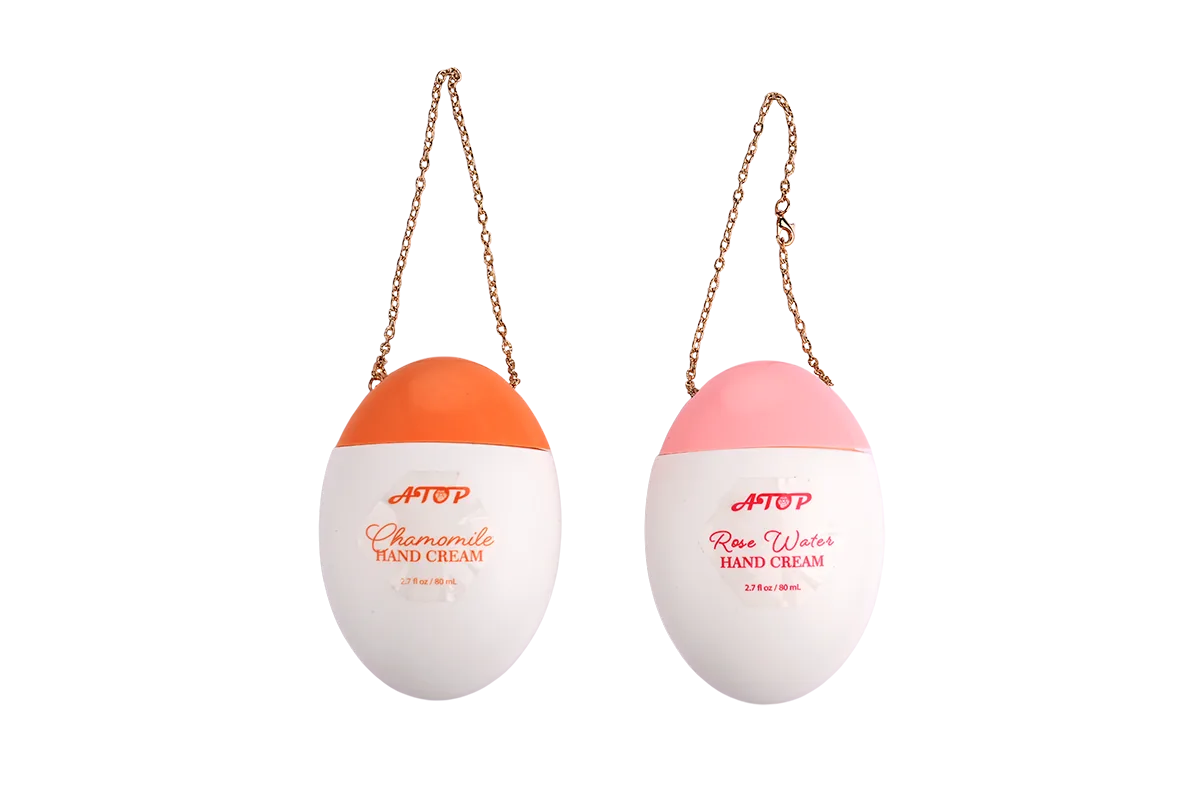
Lily Bath Commodity Company guarantees that each cosmetic products manufacturer is produced using the highest quality raw materials. For the selection of raw materials, we analyzed a number of internationally renowned raw material suppliers and conducted high-intensity testing of materials. After comparing the test data, we selected the best one and reached a long-term strategic cooperation agreement.
Lily Bath has become the first choice for most customers. It has reliable products which are stable in performance and enjoy long service life. Many customers repeatedly purchase from us and the repurchase rate remains high. We optimize our website and update our dynamics on social media, so that we can occupy a higher ranking online and customers can easily purchase our products. We endeavor to maintain close contact with customers.
We, at Lily Bath, provide cosmetic products manufacturer performance and custom services to our customers and help them achieve the best. We maintain the quality and confirm its compliance with the changing customers' expectations with respect to various aspects such as price, quality, design and packaging.
Lily Bath has been focusing on the research and development of cosmetic products manufacturer products.
Are you looking to meet high demand for hand care products? Partnering with a hand care manufacturer for large quantities could be the solution you need. In this article, we will explore the benefits of collaborating with a specialized manufacturer to keep up with demand, ensure product quality, and streamline production. Find out why partnering with a hand care manufacturer is the smart choice for your business.- Benefits of partnering with a hand care manufacturer for bulk ordersIn today's competitive market, businesses are constantly looking for ways to stand out and offer unique products to their customers. One way to achieve this is by partnering with a hand care manufacturer for large quantities of products. In this article, we will explore the benefits of partnering with a hand care manufacturer and how it can help your business thrive. When it comes to hand care products, quality is key. By partnering with a hand care manufacturer, you can ensure that the products you are offering to your customers are of the highest quality. Hand care manufacturers have the expertise and experience to create products that are not only effective but also safe for use. This can help build trust with your customers and keep them coming back for more. Another benefit of partnering with a hand care manufacturer for bulk orders is the cost savings. When you order in large quantities, manufacturers are often able to offer competitive pricing. This can help you maximize your profits and stay ahead of the competition. Additionally, by partnering with a hand care manufacturer, you can save on shipping costs and reduce your overall expenses. In addition to cost savings, partnering with a hand care manufacturer can also help streamline your supply chain. Hand care manufacturers have the resources and capabilities to produce large quantities of products in a timely manner. This can help ensure that you always have a steady supply of hand care products to meet the demands of your customers. By partnering with a manufacturer, you can also benefit from their expertise in product development and marketing, helping you attract new customers and grow your business. Furthermore, partnering with a hand care manufacturer can help you expand your product offerings. Hand care manufacturers often have a wide range of products to choose from, including hand lotions, creams, soaps, and sanitizers. By partnering with a manufacturer, you can easily add new products to your lineup and cater to the diverse needs of your customers. This can help you stay ahead of trends in the market and keep your business relevant. In conclusion, partnering with a hand care manufacturer for bulk orders can offer a wide range of benefits for your business. From ensuring product quality to cost savings and supply chain efficiency, partnering with a manufacturer can help your business thrive. If you are looking to take your hand care products to the next level, consider partnering with a hand care manufacturer today.- Customization options available when working with a hand care manufacturerWhen looking to mass-produce hand care products, partnering with a hand care manufacturer is a smart choice for many reasons. Not only do hand care manufacturers have the experience and expertise in creating high-quality products, but they also offer a wide range of customization options to meet your specific needs. One of the main advantages of working with a hand care manufacturer is the ability to customize your products. Whether you are looking to create a new hand care product from scratch or modify an existing formula, hand care manufacturers have the capabilities to create products tailored to your brand and target consumers. From choosing the scents and ingredients to determining the packaging and labeling, customization options are endless when working with a hand care manufacturer. In addition to product customization, hand care manufacturers also offer a variety of packaging options to suit your brand’s image and target market. Whether you prefer sleek and modern packaging or eco-friendly and sustainable options, hand care manufacturers have the resources and expertise to create packaging that will stand out on the shelves. With the ability to choose from different materials, shapes, sizes, and designs, you can create a unique and eye-catching product that will draw consumers in. Furthermore, hand care manufacturers offer flexibility when it comes to production quantities. Whether you are looking to produce a small batch of hand care products for a limited edition release or mass-produce products to meet high demand, hand care manufacturers can accommodate your needs. By offering scalable production options, hand care manufacturers allow you to adjust your production quantities based on market demand and budget constraints. Another advantage of partnering with a hand care manufacturer is access to their extensive knowledge and expertise in the industry. Hand care manufacturers have a deep understanding of the latest trends, regulations, and technology in the hand care market, ensuring that your products meet industry standards and consumer expectations. By tapping into their expertise, you can benefit from their insights and guidance throughout the product development and production process. In conclusion, partnering with a hand care manufacturer for large quantities offers numerous benefits, including product customization, packaging options, production flexibility, and industry expertise. By working with a hand care manufacturer, you can create high-quality products that meet your brand’s standards and appeal to your target consumers. With their resources, capabilities, and support, hand care manufacturers can help you bring your hand care products to market successfully.- Cost savings when ordering large quantities from a hand care manufacturerIn today's competitive market, businesses are always looking for ways to cut costs without sacrificing quality. One effective way to achieve cost savings is by partnering with a hand care manufacturer for large quantities of hand care products. This strategic partnership not only helps businesses save money but also ensures they have access to high-quality products that meet their specific needs. One of the main reasons to partner with a hand care manufacturer for large quantities is cost savings. Ordering in bulk allows businesses to take advantage of economies of scale, which means they can secure lower prices per unit compared to ordering smaller quantities. This cost savings can have a significant impact on a company's bottom line, especially for businesses that use hand care products regularly or in large volumes. Furthermore, working with a hand care manufacturer for large quantities allows businesses to streamline their procurement process. Instead of placing multiple small orders with different suppliers, businesses can consolidate their purchases with one manufacturer, saving time and reducing administrative costs. This streamlining of the procurement process can also lead to better inventory management and more efficient supply chain operations. In addition to cost savings, partnering with a hand care manufacturer for large quantities ensures businesses have access to a consistent supply of high-quality products. Hand care manufacturers have the expertise and resources to produce hand care products that meet industry standards and regulatory requirements. By working closely with a manufacturer, businesses can be confident that they are receiving products that are safe, effective, and reliable. Another benefit of partnering with a hand care manufacturer for large quantities is the ability to customize products to meet specific needs. Manufacturers can work with businesses to develop tailored solutions that address their unique requirements, whether it's a specific formulation, packaging design, or scent. This level of customization can help businesses differentiate their products in the market and meet the needs of their target customers. In conclusion, partnering with a hand care manufacturer for large quantities offers businesses a range of benefits, including cost savings, streamlined procurement processes, access to high-quality products, and customization options. By working closely with a manufacturer, businesses can ensure they have a reliable supply of hand care products that meet their specific needs and help them achieve their business goals. Consider reaching out to a hand care manufacturer today to explore how a partnership can benefit your business.- Quality control measures implemented by hand care manufacturers for large ordersHand care manufacturers play a crucial role in producing high-quality hand care products for large quantities. When businesses need to fulfill large orders of hand care products, partnering with a hand care manufacturer can provide numerous benefits. One of the key advantages of working with a hand care manufacturer is the quality control measures that are implemented to ensure that every product meets the highest standards. Quality control is essential in the manufacturing process to guarantee that the hand care products are safe, effective, and meet the desired specifications. Hand care manufacturers have rigorous quality control measures in place to maintain consistency and excellence in their products. From sourcing the finest ingredients to the final packaging stage, every step undergoes thorough inspection and testing to ensure that the end product is of premium quality. One of the ways hand care manufacturers uphold quality control for large orders is through batch testing. Before mass production begins, samples of the hand care products are tested to assess their stability, efficacy, and safety. This allows manufacturers to identify any potential issues early on and make necessary adjustments to the formula or production process. In addition to batch testing, hand care manufacturers also conduct regular quality checks throughout the production process. Each batch of hand care products is scrutinized for texture, color, scent, and overall performance to ensure consistency across all units. Any deviations from the standard are flagged and addressed promptly to maintain product integrity. Furthermore, hand care manufacturers invest in state-of-the-art equipment and technology to enhance quality control measures. Advanced machinery is used to automate certain processes, such as filling and sealing, to minimize human error and achieve precision in production. Additionally, innovative testing devices are employed to analyze the composition and properties of the hand care products accurately. Moreover, hand care manufacturers adhere to strict regulatory guidelines and certifications to meet industry standards and ensure product safety. They comply with Good Manufacturing Practices (GMP) and other quality assurance protocols to guarantee that their facilities and processes meet the highest industry standards. By following these guidelines, hand care manufacturers demonstrate their commitment to producing safe and effective products for consumers. In conclusion, partnering with a hand care manufacturer for large quantities can provide businesses with a reliable source of high-quality hand care products. The stringent quality control measures implemented by hand care manufacturers ensure that every product meets the highest standards of excellence. From batch testing to regular quality checks and adherence to regulatory guidelines, hand care manufacturers demonstrate their dedication to producing safe and effective hand care products for consumers. Businesses can trust in the expertise and capabilities of hand care manufacturers to deliver premium products that meet their needs and exceed expectations.- Supply chain efficiencies gained through partnering with a hand care manufacturerIn today's fast-paced world, efficiency is key when it comes to supply chain management. Businesses are constantly looking for ways to streamline their processes and cut costs wherever possible. One way to achieve this is by partnering with a hand care manufacturer for large quantities of products. Hand care products are essential in a variety of industries, from healthcare to hospitality. In these industries, having a reliable and high-quality supplier for hand care products is crucial. By partnering with a hand care manufacturer, businesses can ensure they have a steady supply of products that meet their specific needs. One of the main benefits of partnering with a hand care manufacturer is the efficiencies gained in the supply chain. By working directly with the manufacturer, businesses can eliminate the need for middlemen, reducing costs and lead times. This direct relationship allows for better communication and collaboration, ensuring that products are delivered on time and in the quantities required. Another advantage of partnering with a hand care manufacturer is the ability to customize products to suit the business's unique requirements. Whether it's creating a specific fragrance or packaging design, manufacturers can work closely with businesses to develop products that meet their exact specifications. This level of customization can help businesses stand out in a competitive market and enhance their brand image. Furthermore, partnering with a hand care manufacturer can lead to cost savings in the long run. By ordering products in large quantities, businesses can take advantage of bulk discounts and lower unit costs. This can result in significant savings over time, especially for businesses that have a high demand for hand care products. In addition to cost savings, partnering with a hand care manufacturer can also help businesses improve their sustainability efforts. Many manufacturers are focused on reducing their environmental impact and offer eco-friendly options for packaging and ingredients. By choosing a manufacturer with sustainable practices, businesses can align themselves with their own sustainability goals and attract eco-conscious customers. Overall, partnering with a hand care manufacturer for large quantities of products can lead to significant benefits for businesses. From supply chain efficiencies to cost savings and sustainability efforts, there are numerous advantages to working directly with a manufacturer. By establishing a strong partnership, businesses can ensure they have a reliable supply of high-quality hand care products that meet their specific needs.ConclusionIn conclusion, partnering with a hand care manufacturer for large quantities offers numerous benefits for businesses looking to streamline their supply chain and increase efficiency. From customized formulations to cost-effective production processes, a trusted manufacturing partner can help meet the demand for high volumes of hand care products while maintaining quality and compliance standards. By collaborating with a reputable manufacturer, companies can focus on their core competencies and leave the production of hand care products in the hands of experts. Ultimately, partnering with a hand care manufacturer for large quantities is a strategic decision that can lead to increased productivity, profitability, and customer satisfaction.
Are you looking to invest in a face care manufacturer but unsure about the cost-effectiveness of your decision? Look no further! In this article, we will delve into the key factors to consider when evaluating the cost-effectiveness of a face care manufacturer. From production costs to market demand, we will provide you with the essential insights to make an informed decision. So, keep reading to learn how to make the most out of your investment in the face care industry.- Understanding the Factors That Contribute to Cost-Effectiveness in Face Care ManufacturingIn order to evaluate the cost-effectiveness of a face care manufacturer, it is essential to understand the factors that contribute to their overall efficiency and profitability. Face care products have become increasingly popular in recent years, as consumers are becoming more conscious of their skincare regimen and the importance of maintaining healthy skin. As a result, the face care manufacturing industry has seen significant growth, with a wide variety of products available to cater to different skin types and concerns. One of the key factors that contribute to cost-effectiveness in face care manufacturing is the sourcing of raw materials. High-quality ingredients are essential to producing effective face care products that deliver results to consumers. However, the cost of raw materials can vary significantly depending on their source and quality. Manufacturers must carefully consider the cost and quality of ingredients to ensure that they are able to produce products that are both effective and affordable. In addition to sourcing quality ingredients, face care manufacturers must also consider the efficiency of their production processes. The production of face care products involves various steps, such as mixing ingredients, filling containers, labeling, and packaging. Manufacturers must carefully design and optimize their production processes to minimize waste and reduce production costs. By streamlining their processes and eliminating inefficiencies, manufacturers can increase their overall cost-effectiveness and profitability. Another important factor to consider when evaluating the cost-effectiveness of a face care manufacturer is their marketing and distribution strategies. In order to reach consumers and generate sales, manufacturers must invest in effective marketing campaigns and establish strong distribution channels. This can include partnering with retailers, wholesalers, and online platforms to reach a wider audience. By carefully planning and executing their marketing and distribution strategies, manufacturers can increase their brand visibility and attract more customers, ultimately driving sales and increasing profitability. Furthermore, face care manufacturers must also consider the impact of regulations and compliance on their cost-effectiveness. The beauty industry is highly regulated, with strict guidelines on product safety, labeling, and marketing claims. Manufacturers must ensure that their products comply with all relevant regulations and standards to avoid costly fines and penalties. By investing in compliance measures and staying up-to-date on industry regulations, manufacturers can protect their reputation and maintain their cost-effectiveness. In conclusion, evaluating the cost-effectiveness of a face care manufacturer requires a comprehensive understanding of the various factors that contribute to their overall profitability. By carefully considering the sourcing of raw materials, production processes, marketing and distribution strategies, and regulatory compliance, manufacturers can optimize their operations and increase their cost-effectiveness. By prioritizing efficiency and quality in their production processes, face care manufacturers can deliver high-quality products to consumers at competitive prices, ultimately driving sales and increasing profitability.- Analyzing the Production Costs and Profit Margins of a Face Care ManufacturerThe world of skincare is a vast and ever-growing industry, with countless products being launched every day. Among these products are those specifically designed for facial care, catering to the needs of those looking to achieve flawless and radiant skin. As consumers continue to prioritize skincare as part of their daily routine, the demand for high-quality face care products has increased significantly. In this competitive landscape, it is essential for face care manufacturers to analyze their production costs and profit margins to ensure cost-effectiveness and sustainability. One of the key factors to consider when evaluating the cost-effectiveness of a face care manufacturer is production costs. These costs include expenses related to raw materials, labor, packaging, and overhead. Raw materials are a crucial component of producing face care products, as they directly impact the quality and effectiveness of the final product. High-quality ingredients come at a premium cost, but they are essential for creating products that deliver results and meet consumer expectations. Labor costs also play a significant role in production expenses, as skilled workers are needed to formulate, manufacture, and package face care products. Additionally, packaging costs can add up quickly, especially for products that require specialized and aesthetically pleasing packaging to attract consumers. In order to determine the profitability of a face care manufacturer, it is essential to calculate profit margins. Profit margins are a key metric that shows the percentage of revenue that is retained as profit after deducting all production costs. A high profit margin indicates that a manufacturer is generating a healthy return on investment and is financially sustainable. On the other hand, a low profit margin may signal inefficiencies in production processes, excessive costs, or pricing strategies that need to be reevaluated. To improve cost-effectiveness and increase profit margins, face care manufacturers should consider implementing several strategies. One of the most effective ways to reduce production costs is to optimize manufacturing processes and streamline operations. By identifying inefficiencies and implementing cost-saving measures, manufacturers can reduce expenses without compromising product quality. Additionally, negotiating better deals with suppliers and sourcing raw materials at competitive prices can help lower production costs. Investing in technology and automation can also improve efficiency and reduce labor costs in the long run. Another crucial aspect of evaluating the cost-effectiveness of a face care manufacturer is market analysis. Understanding consumer preferences, market trends, and competition can help manufacturers make informed decisions about product development, pricing, and marketing strategies. By staying up-to-date on industry trends and consumer demands, manufacturers can tailor their products to meet the needs of their target audience and achieve a competitive advantage in the market. In conclusion, analyzing the production costs and profit margins of a face care manufacturer is crucial for ensuring cost-effectiveness and sustainability in a competitive industry. By carefully evaluating expenses, optimizing production processes, and staying informed about market trends, manufacturers can improve profitability and position themselves for long-term success in the skincare market.- Assessing the Quality and Efficiency of the Manufacturing ProcessesIn today's highly competitive beauty industry, it is crucial for face care manufacturers to ensure they offer both high-quality products and efficient manufacturing processes to remain cost-effective. This article aims to provide a comprehensive guide to assessing the cost-effectiveness of a face care manufacturer. We will delve into various factors that should be considered while evaluating the quality and efficiency of their manufacturing processes. By doing so, beauty industry professionals and consumers alike can make informed decisions when selecting a reliable face care manufacturer. 1. Emphasizing Quality Control Measures: A reputable face care manufacturer prioritizes quality control measures to ensure consistent product quality. From sourcing raw materials to the final packaging, strict quality control protocols must be in place. Assessing the manufacturer's quality control processes involves considering factors such as the certifications they hold, adherence to industry standards, use of high-quality raw materials, and regular product testing. Companies equipped with these measures are more likely to produce superior face care products. 2. Lean Manufacturing Principles: Efficiency is of paramount importance in the face care manufacturing process. Lean manufacturing principles, such as minimizing waste, optimizing resource utilization, and reducing production time, contribute to cost-effective operations. An evaluation should consider the manufacturer's ability to implement lean principles, explore the use of advanced manufacturing technologies, and streamline their production processes. These initiatives not only reduce costs but also enhance overall product quality and customer satisfaction. 3. Automated Manufacturing Systems: As technology continues to advance, automation plays a crucial role in improving manufacturing efficiency. Evaluating a face care manufacturer's use of automated systems provides insight into their ability to minimize human error, maximize output, and achieve consistency in product quality. Manufacturers employing automated machinery for tasks such as mixing, filling, and packaging can significantly enhance their cost-effectiveness by reducing labor costs and enhancing production efficiency. 4. Supply Chain Management: Efficient supply chain management is vital for the overall cost-effectiveness of a face care manufacturer. A well-managed supply chain ensures swift procurement of raw materials and timely delivery of finished products. Assessing a manufacturer's supply chain involves considering factors such as supplier relationships, inventory management techniques, and logistics capabilities. Robust supply chain management lowers manufacturing costs, reduces lead times, and minimizes inventory carrying costs. 5. Continuous Improvement and Innovation: Competitive face care manufacturers are always striving for improvement and innovation. Conducting an evaluation should include an assessment of a manufacturer's commitment to continuous improvement, research, and development. Manufacturers investing in research and development initiatives often create novel and cost-effective formulations, production processes, and packaging solutions. Such innovation not only boosts efficiency but also gives them an edge over competitors. Evaluating the cost-effectiveness of a face care manufacturer requires a comprehensive understanding of their manufacturing processes and the quality-control measures they employ. By considering the key aspects discussed in this article, industry professionals and consumers can confidently assess face care manufacturers' ability to deliver high-quality products efficiently. Ultimately, choosing a reliable face care manufacturer with optimized manufacturing processes ensures the production of cost-effective, safe, and results-driven facial care products.- Comparing the Cost-Effectiveness of Different Face Care Manufacturers in the MarketFace care is an essential part of our daily skincare routine. With the plethora of face care manufacturers flooding the market, it can be overwhelming to choose the most cost-effective option. In this article, we will delve into the various factors that determine the cost-effectiveness of different face care manufacturers in the market, helping you make an informed decision about the products you choose for your skincare regime. When evaluating the cost-effectiveness of a face care manufacturer, it is important to consider the ingredients used in their products. High-quality ingredients may come with a higher price tag, but they often deliver more effective and noticeable results. Look for manufacturers who prioritize natural and organic ingredients that are beneficial for the skin, such as aloe vera, hyaluronic acid, and vitamins. These ingredients not only provide nourishment to the skin but also minimize the risk of adverse reactions and side effects. In addition to ingredients, packaging plays a significant role in determining the cost-effectiveness of face care products. Manufacturers who invest in sturdy and eco-friendly packaging are often a better choice in the long run. Not only does durable packaging ensure the products remain intact during transportation, but it also prevents wastage and extends their shelf life. Choosing products with recyclable packaging not only benefits the environment but also reduces manufacturing costs, allowing manufacturers to offer their products at a more affordable price. Another factor to consider when evaluating the cost-effectiveness of a face care manufacturer is their research and development efforts. Manufacturers that invest in extensive research and development are more likely to produce high-quality products that deliver visible results. They may also innovate new and effective formulas that cater to specific skin concerns, such as anti-aging, acne-prone, or sensitive skin. Although the initial cost of these products may be slightly higher, they often prove to be more cost-effective in the long run due to their superior quality and efficacy. Furthermore, it is crucial to assess the reputation and credibility of a face care manufacturer. Look for manufacturers that have a track record of producing dependable and reliable products. Reading reviews and testimonials from other users can provide valuable insights into the effectiveness and value for money of the products. Manufacturers with a solid reputation are more likely to abide by strict quality control measures, ensuring that every batch of their products meets the highest standards. Lastly, the pricing strategy of a face care manufacturer also plays a pivotal role in determining their cost-effectiveness. While it is tempting to opt for cheaper alternatives, it is important to strike a balance between affordability and quality. Some manufacturers may offer lower-priced products without compromising on quality, thanks to efficient production processes or economies of scale. On the other hand, excessively priced products may not always guarantee superior results. By comparing prices and evaluating the quality, effectiveness, and reputation of different manufacturers, you can find cost-effective options that meet your skincare needs. In conclusion, finding a cost-effective face care manufacturer requires careful consideration of various factors such as ingredients, packaging, research and development efforts, reputation, and pricing strategy. By analyzing these aspects, you can make an informed decision about the face care products that best suit your skincare needs. Remember, investing in quality and effective products may initially seem costlier but can save you both time and money in the long run, as they deliver noticeable and long-lasting results. So, choose wisely and enjoy a rejuvenated and radiant complexion.- Implementing Strategies to Improve the Cost-Effectiveness of a Face Care ManufacturerThe beauty industry is a multi-billion dollar market, with face care products being one of the most popular segments. As a face care manufacturer, it is essential to constantly evaluate the cost-effectiveness of your operations in order to stay competitive in the market. In this article, we will discuss the various strategies that can be implemented to improve the cost-effectiveness of a face care manufacturer. One of the key aspects to consider when evaluating the cost-effectiveness of a face care manufacturer is the production process. It is important to streamline the production process and eliminate any inefficiencies in order to reduce costs. This can be achieved by investing in automated machinery, implementing lean manufacturing techniques, and optimizing the supply chain. Another important factor to consider is the sourcing of raw materials. As a face care manufacturer, it is crucial to find suppliers that offer high-quality materials at competitive prices. By negotiating with suppliers and exploring alternative sourcing options, it is possible to reduce the cost of raw materials and improve the overall cost-effectiveness of the manufacturing process. In addition to production and sourcing, it is also important to evaluate the marketing and distribution strategies of a face care manufacturer. Investing in targeted marketing campaigns and exploring new distribution channels can help to increase sales and improve the profitability of the business. By analyzing the effectiveness of different marketing and distribution strategies, it is possible to identify areas for improvement and increase the overall cost-effectiveness of the operation. Furthermore, it is important to consider the overall efficiency of the business operation. This includes evaluating the performance of employees, optimizing inventory management, and monitoring expenses. By keeping a close eye on key performance indicators and implementing cost-saving measures, it is possible to improve the cost-effectiveness of a face care manufacturer. In conclusion, evaluating the cost-effectiveness of a face care manufacturer is essential for staying competitive in the beauty industry. By implementing strategies to streamline production, optimize sourcing, and improve marketing and distribution, it is possible to reduce costs and increase profitability. By continuously analyzing and improving business operations, a face care manufacturer can stay ahead of the competition and thrive in the market.ConclusionIn conclusion, evaluating the cost-effectiveness of a face care manufacturer is a crucial step in ensuring that you are getting the best value for your money. By considering factors such as the quality of ingredients, production processes, packaging, and marketing strategies, you can make an informed decision about which manufacturer offers the most bang for your buck. Remember to also factor in customer reviews, brand reputation, and sustainability practices to make a well-rounded assessment. Ultimately, investing in a face care manufacturer that prioritizes both quality and affordability will not only benefit your skin but also your wallet in the long run. So, take the time to evaluate your options carefully and choose wisely for healthy, glowing skin.
Are you curious about how your favorite cosmetic products are made? Look no further! Our guide will take you behind the scenes of the fascinating world of cosmetic products manufacturing processes. From formulation to packaging, we'll break down each step to give you a comprehensive understanding of how these beauty essentials come to life. Dive in and uncover the secrets of your go-to makeup, skincare, and haircare products!Introduction to Cosmetic Products Manufacturing ProcessesAs a cosmetic products manufacturer, understanding the various processes involved in manufacturing is crucial to ensuring the quality and safety of the final product. In this guide, we will take a detailed look at the key steps involved in cosmetic products manufacturing processes. The first step in the manufacturing process is formulation development. This involves creating the recipe for the cosmetic product, which includes selecting the ingredients, determining their concentrations, and ensuring that the formulation meets regulatory requirements. Cosmetic chemists play a crucial role in this step, as they have the knowledge and expertise to develop effective and safe formulations. Once the formulation is finalized, the next step is sourcing raw materials. Cosmetic manufacturers must carefully select suppliers that provide high-quality, safe, and sustainable ingredients. It is essential to establish strong partnerships with suppliers to ensure a consistent supply of raw materials and to maintain the integrity of the product. After sourcing the raw materials, the manufacturing process begins. This typically involves blending the ingredients together in specific quantities and under controlled conditions. Various equipment, such as mixers, homogenizers, and emulsifiers, are used to ensure that the ingredients are thoroughly mixed and uniform in consistency. The next step in the manufacturing process is filling and packaging. This involves transferring the finished product into containers, such as bottles, jars, or tubes, and labeling them with essential information, such as ingredients, usage instructions, and expiration dates. Proper labeling is critical to comply with regulatory requirements and to provide consumers with necessary information about the product. Quality control is an essential aspect of cosmetic products manufacturing processes. Manufacturers must conduct rigorous testing and inspections throughout the production process to ensure that the product meets safety, quality, and performance standards. This includes testing for stability, microbial contamination, and efficacy to ensure that the product is safe and effective for consumers. Another crucial aspect of cosmetic products manufacturing processes is regulatory compliance. Manufacturers must adhere to strict regulations set forth by government agencies, such as the Food and Drug Administration (FDA) and the Cosmetic Ingredient Review (CIR) panel. It is essential to stay informed about regulatory changes and to ensure that products meet all requirements to ensure consumer safety and trust. In conclusion, understanding cosmetic products manufacturing processes is essential for cosmetic products manufacturers to produce safe, high-quality products that meet consumer needs and regulatory standards. By following best practices and staying informed about industry developments, manufacturers can create products that are not only effective but also safe and trustworthy for consumers.Key Steps in Cosmetic Products ManufacturingCosmetic products manufacturing is a complex and meticulous process that requires careful attention to detail and adherence to strict guidelines. In this guide, we will walk you through the key steps involved in cosmetic products manufacturing, shedding light on the various processes that go into creating the beauty products we use every day. One of the first steps in the cosmetic products manufacturing process is product development. This involves research and development to create new formulas or improve existing ones. Cosmetic products manufacturers work closely with chemists and researchers to ensure that the products they create are safe, effective, and meet consumer needs. Formulation development is a crucial aspect of this step, as it involves experimenting with different ingredients to create the perfect product. Once a formulation has been developed, the next step in the manufacturing process is ingredient sourcing. Cosmetic products manufacturers must carefully select high-quality raw materials for their products to ensure their safety and efficacy. This involves working with suppliers to source ingredients that meet strict quality standards and comply with regulations. The sourcing process may involve testing ingredients for allergens, contaminants, and other impurities to ensure the final product is safe for consumer use. After ingredients have been sourced, the next step in the manufacturing process is production. This involves mixing and blending the ingredients according to the formulation to create the final product. Cosmetic products manufacturers must adhere to strict manufacturing practices to ensure the products are safe, consistent, and high-quality. Quality control measures are put in place throughout the production process to monitor for any deviations or issues that may arise. Once the products have been manufactured, the next step is packaging. Cosmetic products manufacturers must carefully select packaging materials that are both functional and aesthetically pleasing. Packaging plays a crucial role in protecting the product from external elements and enhancing its shelf appeal. Manufacturers must also ensure that their packaging meets regulatory requirements and is environmentally friendly. Lastly, once the products have been manufactured and packaged, they are ready for distribution. Cosmetic products manufacturers work with distributors and retailers to get their products into the hands of consumers. This involves coordinating logistics, managing inventory, and ensuring timely delivery of products to retail locations. Manufacturers must also continue to monitor the market and consumer feedback to make any necessary adjustments to their products. In conclusion, cosmetic products manufacturing is a multifaceted process that involves a series of key steps from product development to distribution. Cosmetic products manufacturers play a crucial role in creating high-quality, safe, and effective beauty products that consumers rely on. By understanding the intricate processes involved in cosmetic products manufacturing, consumers can make more informed choices about the products they use.Understanding Formulation and Ingredient SelectionCosmetic products have become an essential part of everyday life, and people of all ages and genders use them on a daily basis. From skincare to haircare and makeup, today’s consumers demand high-quality products that not only meet their needs but also satisfy their preferences. Cosmetic products manufacturers are tasked with the responsibility of formulating and selecting ingredients that cater to these demands. Understanding the formulation and ingredient selection process of cosmetic products manufacturing is critical to ensuring the quality, efficacy, and safety of the final product. It is a complex process that requires a detailed understanding of raw materials, regulatory requirements, and consumer trends. Cosmetic products manufacturers must consider several factors when selecting ingredients for their products, including their function, performance, safety, and stability. Formulation is the process of combining raw materials to create a final product that meets specific consumer requirements. It involves selecting the right combination of ingredients to achieve the desired texture, color, scent, and effectiveness of a product. Cosmetic products manufacturers must consider several factors when formulating their products, such as the intended use, skin type, and potential side effects. Ingredient selection is a critical aspect of cosmetic products manufacturing. This process involves the careful selection and evaluation of raw materials to ensure that they are safe for use in cosmetic products. Cosmetic products manufacturers must consider a variety of factors when selecting ingredients, such as the ingredient's purity, stability, potential toxicity, and cosmetic benefits. Cosmetic products manufacturers must also comply with stringent regulatory requirements when selecting ingredients for their products. Regulatory bodies such as the US Food and Drug Administration (FDA) and the European Union (EU) have established guidelines that must be adhered to when formulating and selecting ingredients for cosmetic products. Cosmetic products manufacturers must ensure that their products comply with these regulations to ensure their safety and efficacy. Cosmetic products manufacturing is a highly competitive industry, and manufacturers must stay up to date with consumer trends and preferences. Consumer preferences are continually changing, and cosmetic products manufacturers must adapt their formulations and ingredient selection accordingly to meet these changing trends. For example, consumers are increasingly demanding natural and organic ingredients in their cosmetic products, and manufacturers must respond to this demand by incorporating these ingredients into their formulation. In conclusion, understanding the formulation and ingredient selection process of cosmetic products manufacturing is critical to ensuring the quality, efficacy, and safety of the final product. Cosmetic products manufacturers must consider several factors when formulating and selecting ingredients for their products, including their function, performance, safety, and stability. Regulatory compliance and staying up to date with consumer trends are also crucial in this highly competitive industry. By carefully selecting ingredients and formulating their products to meet consumer demands, cosmetic products manufacturers can meet the needs of their customers and remain competitive in the market.Quality Control and Testing Procedures in Cosmetic ManufacturingCosmetic products are a multi-billion-dollar industry that caters to the desires and needs of consumers worldwide. With the ever-increasing demand for beauty and skincare products, cosmetic manufacturers are constantly striving to create high-quality products that meet the expectations of their customers. In order to ensure the safety and efficacy of their products, cosmetic manufacturers must adhere to strict quality control and testing procedures throughout the manufacturing process. Quality control and testing procedures in cosmetic manufacturing play a crucial role in ensuring that the final products meet regulatory standards and are safe for consumer use. These procedures involve a series of tests and checks that are conducted at various stages of the manufacturing process to monitor the quality and performance of the ingredients and finished products. One of the key aspects of quality control in cosmetic manufacturing is the testing of raw materials. Before any ingredients are used in the production of cosmetic products, they must undergo rigorous testing to ensure they meet the required purity and safety standards. Cosmetic manufacturers work closely with suppliers to obtain certificates of analysis for all raw materials, which detail the composition and quality of the ingredients. In addition to testing raw materials, cosmetic manufacturers also conduct stability testing on finished products. Stability testing involves subjecting the products to various environmental conditions, such as temperature and humidity, to assess their shelf life and durability. This testing ensures that the products remain safe and effective throughout their intended usage period. Another important aspect of quality control in cosmetic manufacturing is microbiological testing. Microbial contaminants can pose serious health risks to consumers, so it is crucial for cosmetic manufacturers to conduct regular testing to detect any presence of bacteria, yeast, or mold in their products. This testing is typically performed using methods such as plate counting and polymerase chain reaction (PCR) analysis. In addition to testing the safety and quality of their products, cosmetic manufacturers also implement quality control measures to ensure consistency in product formulation and packaging. This includes conducting batch-to-batch testing to verify that each product meets the specified standards and maintaining detailed records of all production processes to track any deviations or issues. Overall, quality control and testing procedures in cosmetic manufacturing are essential for ensuring the safety, efficacy, and consistency of cosmetic products. By adhering to strict quality control measures and conducting thorough testing throughout the manufacturing process, cosmetic manufacturers can produce high-quality products that meet the expectations of consumers and regulatory authorities. As the demand for cosmetic products continues to grow, it is crucial for cosmetic manufacturers to prioritize quality control and testing procedures to protect both their brand reputation and the health of their customers.Sustainable Practices and Innovations in Cosmetic Products ManufacturingCosmetic products manufacturers are constantly evolving their processes to meet consumer demands for sustainable and innovative products. In this guide, we will delve into the various practices and innovations that are shaping the landscape of cosmetic products manufacturing today. One of the key trends in the industry is the shift towards sustainability. Cosmetic products manufacturers are increasingly adopting environmentally-friendly practices in their operations, from sourcing raw materials to packaging their products. This includes using renewable resources, minimizing waste, and reducing their carbon footprint. In addition, many manufacturers are investing in eco-friendly technologies, such as solar energy and water recycling systems, to further reduce their environmental impact. Another important aspect of sustainable practices in cosmetic products manufacturing is the use of natural and organic ingredients. Consumers are becoming more conscious of what they put on their skin, leading to a growing demand for products free from harmful chemicals and synthetic additives. Cosmetic products manufacturers are responding to this trend by formulating their products with plant-based ingredients, such as botanical extracts and essential oils, that are gentle on the skin and have minimal impact on the environment. In addition to sustainability, innovation is also a driving force in the cosmetic products manufacturing industry. Manufacturers are constantly exploring new technologies and ingredients to develop products that are both effective and safe for consumers. One area of innovation is the use of advanced skincare technologies, such as nanotechnology and biotechnology, to create products that penetrate the skin more effectively and deliver targeted results. Furthermore, cosmetic products manufacturers are increasingly embracing customization and personalization in their manufacturing processes. Consumers are looking for products that cater to their specific needs and preferences, leading manufacturers to offer a wide range of options, from customizable skincare formulas to personalized packaging designs. This not only enhances the consumer experience but also allows manufacturers to differentiate themselves in a crowded marketplace. Overall, sustainable practices and innovations are driving the evolution of cosmetic products manufacturing. By adopting environmentally-friendly practices, using natural and organic ingredients, embracing innovation, and offering customization options, manufacturers are able to meet the changing needs and preferences of consumers while also reducing their impact on the planet. As the industry continues to evolve, it will be exciting to see what new trends and technologies emerge to shape the future of cosmetic products manufacturing.ConclusionUnderstanding the manufacturing processes behind cosmetic products is crucial for both consumers and industry professionals. From the selection of raw materials to the production of finished goods, this guide has provided valuable insights into the intricate steps involved in creating beauty and personal care products. By understanding how cosmetics are made, consumers can make informed choices about the products they use, while industry professionals can ensure that their products meet the highest standards of quality and safety. As the cosmetic industry continues to evolve and innovate, staying informed about manufacturing processes will be essential for keeping pace with changing trends and regulations. By following this guide, you can deepen your understanding of the fascinating world of cosmetic products manufacturing and make more informed choices as a consumer or industry professional.
Are you curious about the wide range of services that body care manufacturers provide? From production to packaging, distribution, and beyond, these companies play a crucial role in the beauty industry. In this article, we will explore the various services that body care manufacturers typically offer and how they contribute to the success of their products. Join us as we delve into the world of body care manufacturing and discover the secrets behind your favorite beauty products.- Overview of Body Care Manufacturing IndustryOverview of Body Care Manufacturing Industry The body care manufacturing industry is a highly dynamic and ever-expanding sector that plays a vital role in meeting the growing demand for personal care products. Body care manufacturers are companies that specialize in the production and distribution of various body care products, including skincare, haircare, oral care, and hygiene products. These manufacturers offer a wide range of services to cater to the diverse needs of their customers and ensure the delivery of high-quality products. One of the primary services provided by body care manufacturers is product development. These companies invest heavily in research and development to create innovative and effective formulations that address specific skincare or haircare concerns. They work closely with chemists, dermatologists, and other industry experts to develop and test new ingredients and technologies. This process includes extensive market research to identify emerging trends and consumer preferences. With their expertise, body care manufacturers can develop products that not only meet consumer demands but also adhere to the highest safety and quality standards. In addition to product development, body care manufacturers offer manufacturing and production services. These companies operate state-of-the-art manufacturing facilities equipped with advanced machinery and technology. They have the ability to produce large quantities of body care products efficiently and consistently. This includes mixing and blending various ingredients, filling and packaging products, and conducting quality control checks to ensure that every product meets the required specifications. Body care manufacturers also have the flexibility to produce different product formats, such as creams, lotions, serums, gels, shampoos, conditioners, and more, to cater to the diverse preferences of consumers. Furthermore, body care manufacturers provide private label and contract manufacturing services. Private label manufacturing involves the production of products under a retailer's brand name. This allows retailers to create their own line of body care products without the need for extensive in-house manufacturing capabilities. Body care manufacturers work closely with these retailers to develop unique formulations and packaging designs that align with their brand image. On the other hand, contract manufacturing involves the production of products for third-party brands. Body care manufacturers leverage their expertise and resources to manufacture products on behalf of other companies, adhering to their specific requirements. Quality assurance is another crucial aspect of the services offered by body care manufacturers. These companies implement stringent quality control measures throughout the manufacturing process to ensure that products are safe, effective, and comply with industry regulations. This includes conducting regular inspections, tests, and audits to monitor the quality and consistency of raw materials, production processes, and finished products. Body care manufacturers also prioritize sustainability and environmental responsibility by adopting eco-friendly manufacturing practices and sourcing sustainable ingredients wherever possible. In conclusion, body care manufacturers play a vital role in the personal care industry by providing a range of services to meet the ever-growing demand for body care products. From product development and manufacturing to private label and contract manufacturing, these companies strive to deliver high-quality, innovative, and customized solutions. With their expertise and commitment to quality assurance, body care manufacturers continue to shape the industry and meet the diverse needs of consumers worldwide.- Types of Services Offered by Body Care ManufacturersBody care manufacturers play a crucial role in the beauty and personal care industry by creating a wide range of products that promote health and well-being. These manufacturers offer various types of services to cater to the diverse needs and preferences of consumers. In this article, we will explore the different services typically offered by body care manufacturers. Product Development and Formulation One of the key services provided by body care manufacturers is product development and formulation. They are responsible for creating innovative and high-quality products that meet the needs of their target market. This includes developing new formulas, testing ingredients, and ensuring that the products are safe and effective for consumers to use. Packaging and Labeling Body care manufacturers also offer packaging and labeling services to help their clients market and promote their products effectively. They work closely with their clients to design attractive packaging that stands out on the shelves and complies with regulatory requirements. Additionally, they provide labeling services to ensure that the product information is accurate and in compliance with all relevant regulations. Quality Control and Testing Ensuring the quality and safety of body care products is essential for manufacturers. They offer quality control and testing services to assess the purity, stability, and safety of their products. This includes conducting tests for microbiological contamination, chemical composition, and product stability to ensure that the products meet industry standards and regulatory requirements. Regulatory Compliance Body care manufacturers also provide regulatory compliance services to help their clients navigate the complex regulations governing the beauty and personal care industry. They stay up-to-date with the latest regulatory requirements and ensure that their products comply with all relevant laws and regulations. This includes obtaining necessary certifications, conducting audits, and ensuring that the products are labeled correctly. Private Labeling Many body care manufacturers offer private labeling services, allowing clients to create their own branded products without having to invest in manufacturing facilities. These manufacturers work closely with their clients to develop custom formulas, packaging, and labeling to create unique products that reflect their brand identity. Private labeling services provide clients with a cost-effective way to enter the market and differentiate themselves from competitors. Contract Manufacturing In addition to private labeling, body care manufacturers also offer contract manufacturing services, producing products on behalf of their clients. This includes manufacturing products in large quantities, adhering to strict quality standards, and meeting tight deadlines. Contract manufacturing allows brands to scale their production without having to invest in manufacturing facilities, equipment, and staff. In conclusion, body care manufacturers offer a wide range of services to help their clients develop, manufacture, and market high-quality body care products. From product development and formulation to packaging and labeling, quality control, regulatory compliance, private labeling, and contract manufacturing, these manufacturers play a vital role in the beauty and personal care industry. By partnering with a reputable body care manufacturer, brands can benefit from their expertise and resources to bring their products to market successfully.- Custom Formulation Services for Body Care ProductsBody care manufacturers typically offer a wide range of services to meet the needs of their customers, including custom formulation services for body care products. These services are designed to help businesses create unique and effective body care products that stand out in the competitive market. When it comes to custom formulation services, body care manufacturers work closely with their clients to develop products that meet their specific requirements. This process typically begins with a consultation, during which the manufacturer learns about the client's brand, target audience, and product goals. Based on this information, the manufacturer's team of experts, including chemists and product developers, work to create a custom formulation that aligns with the client's vision. One of the key aspects of custom formulation services is the ability to create products that are tailored to the client's needs. This could include formulating products to be vegan, natural, organic, or cruelty-free, among other specifications. Additionally, the manufacturer can work with the client to develop products that target specific skincare concerns, such as dryness, aging, or acne. This level of customization allows businesses to differentiate themselves in the market and meet the growing demand for specialized body care products. Moreover, custom formulation services also extend to the selection of ingredients. Body care manufacturers have access to a wide range of ingredients, including botanical extracts, oils, vitamins, and more, and can advise clients on the best options for their formulations. This expertise is invaluable in helping businesses create products that are not only effective but also safe and compliant with regulations. Furthermore, body care manufacturers offer quality control and testing services as part of their custom formulation services. This ensures that the finished products meet the highest standards for safety, efficacy, and stability. Manufacturers may conduct various tests, such as stability testing, microbial testing, and compatibility testing, to guarantee the quality of the products before they are brought to market. In addition, many body care manufacturers provide packaging and design services to complement their custom formulation offerings. This may include creating unique packaging designs that align with the client's brand image, as well as sourcing sustainable and eco-friendly packaging materials. By offering a comprehensive range of services, manufacturers can support businesses in bringing their body care products to market successfully. Overall, custom formulation services for body care products are a valuable offering provided by body care manufacturers. These services enable businesses to create unique, high-quality products that cater to the specific needs and preferences of their target audience. With the support of experienced manufacturers, businesses can develop innovative body care products that stand out in a competitive market and build a loyal customer base.- Regulatory Compliance and Quality Control MeasuresBody care manufacturers play a crucial role in the beauty and personal care industry. They are responsible for ensuring that the products they produce comply with regulatory standards and undergo strict quality control measures to meet customer expectations. In this article, we will explore the services that body care manufacturers typically offer, with a focus on regulatory compliance and quality control measures. One of the key services provided by body care manufacturers is ensuring regulatory compliance. This involves following strict guidelines set forth by regulatory bodies such as the Food and Drug Administration (FDA) and the European Union Cosmetics Regulation. These regulations dictate what ingredients can be used in body care products, as well as labeling requirements and proper manufacturing practices. Body care manufacturers must stay up to date on any changes to these regulations to ensure their products meet the necessary standards. In addition to regulatory compliance, body care manufacturers also prioritize quality control measures to ensure the safety and effectiveness of their products. This includes conducting thorough testing of raw materials and finished products to ensure they meet specific quality standards. Quality control measures may involve testing for ingredient purity, stability, and efficacy, as well as assessing the overall safety of the product for consumer use. Furthermore, body care manufacturers often invest in research and development to create innovative and effective products that meet consumer demand. This may involve collaborating with skincare experts and scientists to develop new formulations and technologies that deliver results. By staying at the forefront of industry trends and consumer preferences, body care manufacturers can continue to produce high-quality products that appeal to a diverse customer base. Another important aspect of the services offered by body care manufacturers is packaging and labeling. Packaging plays a crucial role in attracting consumers and conveying the brand's message. Body care manufacturers work closely with packaging designers to create eye-catching and functional packaging that protects the product and reinforces the brand's identity. Additionally, accurate and informative labeling is essential to communicate important information to consumers, such as product ingredients, usage instructions, and expiration dates. In conclusion, body care manufacturers play a vital role in the beauty and personal care industry by ensuring regulatory compliance and maintaining strict quality control measures. By staying informed of industry regulations, conducting thorough testing, and investing in research and development, body care manufacturers can produce innovative and high-quality products that meet consumer expectations. Through effective packaging and labeling, they can attract and inform consumers about their products, ultimately contributing to the success of their brand.- Additional Services and Value-Added Offerings in the Body Care IndustryAdditional Services and Value-Added Offerings in the Body Care Industry In the competitive world of the body care industry, manufacturers are constantly looking for ways to differentiate themselves from the competition and provide additional value to their customers. These additional services and value-added offerings not only help to attract and retain customers but also play a crucial role in establishing a strong brand presence in the market. In this article, we will explore the various services and offerings provided by body care manufacturers that go beyond just producing and selling products. 1. Product customization: Body care manufacturers understand that every customer is unique, with specific needs and preferences. To cater to these individual requirements, many manufacturers offer the option of product customization. This allows customers to personalize their body care products by choosing specific ingredients, fragrances, strengths, or packaging options. By offering customization, manufacturers can create a sense of exclusivity and tailor-made solutions for their customers, thereby enhancing customer satisfaction and loyalty. 2. Private labeling: Another popular service offered by body care manufacturers is private labeling. This allows businesses, such as spas, salons, or retailers, to create their own brand identity by putting their own label on the products. By partnering with a reputable manufacturer, businesses can benefit from high-quality products without the need for extensive research and development or the associated costs. Private labeling not only helps to strengthen the brand image of the businesses but also provides opportunities for additional revenue streams. 3. Research and development support: To stay ahead in the market, body care manufacturers invest heavily in research and development (R&D) activities. As part of their value-added offerings, manufacturers often extend their R&D expertise to their customers. This includes providing guidance and support in developing new products or improving existing ones. By partnering with a manufacturer that offers R&D support, businesses can leverage the manufacturer's knowledge and experience, saving both time and resources while ensuring product innovation and continuous improvement. 4. Regulatory compliance assistance: Navigating the complex landscape of regulatory compliance is a challenge for many businesses in the body care industry. Manufacturers recognize this and provide assistance in ensuring that their products meet the necessary regulations and standards. This includes guidance on ingredient safety, labeling requirements, and adherence to specific regulations such as the FDA (Food and Drug Administration) guidelines. By partnering with a manufacturer that provides regulatory compliance assistance, businesses can minimize the risk of non-compliance and potential legal issues. 5. Marketing and branding support: For many businesses, marketing and branding are critical aspects of their success. Body care manufacturers understand this and offer marketing and branding support to their customers. This may include designing customized packaging, creating promotional materials, or providing marketing strategies and advice. By collaborating with a manufacturer that offers marketing and branding support, businesses can benefit from professional expertise and resources to effectively promote their products and build a strong brand presence. In conclusion, body care manufacturers go beyond just supplying products by providing additional services and value-added offerings that enhance the customer experience and help businesses thrive in a competitive market. From product customization and private labeling to research and development support, regulatory compliance assistance, and marketing and branding support, these offerings add significant value to the relationship between manufacturers and their customers. By understanding and utilizing these services, businesses in the body care industry can differentiate themselves, attract more customers, and establish a strong and successful brand presence.ConclusionIn conclusion, body care manufacturers typically offer a wide range of services to cater to the ever-growing demand for personal care products. From product development and formulation to packaging and distribution, these manufacturers play a crucial role in bringing high-quality body care products to consumers. Whether it is skincare, haircare, or bath and body products, customers can rest assured knowing that these manufacturers are dedicated to providing top-notch services to meet their needs. As the beauty industry continues to evolve, body care manufacturers will continue to innovate and adapt to meet the changing demands of consumers, ensuring that they can enjoy the best products for their skincare and self-care routines.
Welcome to the future of cosmetic packaging! As the beauty industry continues to evolve, cosmetic manufacturers are embracing custom packaging trends to captivate consumers in 2025. From sustainable materials to innovative designs, explore how brands are redefining the way we experience beauty products in our latest article. Join us as we dive into the exciting world of custom packaging and discover the cutting-edge trends that are shaping the future of cosmetics.- Introduction to the Cosmetic Manufacturing IndustryIn today's fast-paced world, the cosmetic industry is booming, with new trends and innovations constantly emerging. As consumers become more aware of the importance of self-care and overall appearance, the demand for cosmetic products continues to rise. From skincare to makeup, the market is flooded with a plethora of options for consumers to choose from. One crucial aspect of the cosmetic industry is the manufacturing process. Cosmetic manufacturers play a vital role in creating and developing innovative products to meet the ever-changing needs of consumers. From custom packaging to unique formulations, cosmetic manufacturers are constantly pushing the boundaries of creativity to stay ahead of the competition. When it comes to custom packaging, cosmetic manufacturers are investing in cutting-edge technology and design to create eye-catching and functional packaging solutions. In 2025, we can expect to see a rise in environmentally sustainable packaging options, such as biodegradable materials and refillable containers. Consumers are becoming increasingly eco-conscious, and cosmetic manufacturers are adapting to this trend by offering more sustainable packaging choices. In addition to sustainable packaging, cosmetic manufacturers are also focusing on customization and personalization. With the rise of social media influencers and beauty bloggers, consumers are looking for unique and personalized products that cater to their specific preferences. Cosmetic manufacturers are leveraging technology to create personalized formulations and packaging styles that cater to a diverse range of consumers. Another trend that we can expect to see in 2025 is the convergence of skincare and makeup. As consumers become more educated about the importance of skincare, cosmetic manufacturers are incorporating skincare ingredients into makeup products. This trend, known as "skincare-infused makeup," aims to provide consumers with beauty products that not only enhance their appearance but also improve the health of their skin. Furthermore, the rise of e-commerce has revolutionized the way consumers shop for cosmetic products. Cosmetic manufacturers are investing in online platforms and digital marketing strategies to reach a wider audience and drive sales. With the convenience of online shopping, consumers can now easily browse and purchase their favorite cosmetic products from the comfort of their own homes. In conclusion, the cosmetic manufacturing industry is constantly evolving to meet the needs and desires of modern consumers. From sustainable packaging to personalized formulations, cosmetic manufacturers are at the forefront of innovation in the beauty industry. As we look towards 2025, we can expect to see even more trends and developments that will shape the future of the cosmetic industry.- Importance of Custom Packaging in the Cosmetic IndustryIn the competitive landscape of the cosmetics industry, cosmetic manufacturers are constantly looking for ways to stand out and differentiate their products from the competition. One key strategy that is gaining momentum in the industry is custom packaging. Custom packaging not only serves as a way to enhance the overall aesthetic appeal of a cosmetic product but also plays a vital role in creating a memorable brand experience for consumers. The importance of custom packaging in the cosmetic industry cannot be understated. Not only does it help cosmetic manufacturers establish a strong brand identity, but it also serves as a powerful marketing tool that can attract and retain customers. In today's digital age, where consumers are bombarded with countless products and advertisements, custom packaging can make a product stand out on the crowded shelves and grab the attention of potential buyers. One of the key trends in custom packaging for cosmetic manufacturers is personalization. With the rise of e-commerce and direct-to-consumer brands, consumers are increasingly looking for unique and personalized experiences. Custom packaging allows cosmetic manufacturers to create bespoke packaging solutions that resonate with their target audience and make a lasting impression. From personalized labels to custom shapes and designs, the possibilities are endless when it comes to creating a packaging experience that is tailored to the individual preferences of consumers. Another trend that cosmetic manufacturers are embracing is sustainability. As consumers become more environmentally conscious, there is a growing demand for eco-friendly packaging solutions. Cosmetic manufacturers are turning to sustainable materials such as recycled paper, biodegradable plastics, and compostable packaging to reduce their environmental footprint and appeal to eco-conscious consumers. By investing in sustainable custom packaging, cosmetic manufacturers can not only attract environmentally conscious consumers but also demonstrate their commitment to sustainability and social responsibility. In addition to personalization and sustainability, cosmetic manufacturers are also focusing on innovation in custom packaging. From smart packaging solutions that can track product usage and expiration dates to interactive packaging that engages consumers through augmented reality experiences, there are endless possibilities for cosmetic manufacturers to create packaging that goes beyond just aesthetics. By embracing the latest technologies and trends in custom packaging, cosmetic manufacturers can differentiate their products in the market and create a strong emotional connection with consumers. In conclusion, custom packaging plays a crucial role in the success of cosmetic manufacturers in the modern beauty industry. By leveraging personalization, sustainability, and innovation in their packaging solutions, cosmetic manufacturers can create a memorable brand experience that resonates with consumers and sets their products apart from the competition. As the demand for unique and engaging packaging solutions continues to grow, cosmetic manufacturers must stay ahead of the curve and invest in custom packaging that not only reflects their brand values but also captures the attention of consumers in a crowded marketplace.- Emerging Trends in Cosmetic Packaging for 2025In the ever-evolving world of cosmetics, packaging plays a crucial role in attracting consumers and setting brands apart from their competitors. As we look ahead to the trends in cosmetic packaging for 2025, cosmetic manufacturers must stay ahead of the curve to meet the demands of the ever-changing beauty industry. One emerging trend in cosmetic packaging for 2025 is sustainable and eco-friendly materials. With consumers becoming more conscious of their environmental impact, cosmetic manufacturers are turning towards biodegradable and recyclable materials for their packaging. Brands are also exploring innovative packaging solutions such as refillable containers and compostable packaging to reduce waste and carbon footprint. Another trend in cosmetic packaging for 2025 is personalized packaging. With the rise of social media and influencer marketing, consumers are looking for unique and personalized experiences with their favorite brands. Cosmetic manufacturers are leveraging technologies like 3D printing and digital printing to create customized packaging options for their customers. From personalized labels to unique shapes and designs, brands are creating packaging that truly speaks to their target audience. In addition to sustainable and personalized packaging, cosmetic manufacturers are also focusing on convenience and functionality. With busy lifestyles and on-the-go consumers, brands are designing packaging that is easy to use and travel-friendly. From compact sizes to innovative dispensing mechanisms, cosmetic manufacturers are creating packaging that enhances the overall user experience. Furthermore, luxury and premium packaging are also on the rise in the cosmetic industry. As consumers are willing to spend more on high-end beauty products, brands are investing in luxurious packaging that conveys quality and exclusivity. From intricate designs to premium materials, cosmetic manufacturers are elevating their packaging to match the luxury of their products. Overall, the trends in cosmetic packaging for 2025 are all about innovation, sustainability, and personalization. Cosmetic manufacturers must stay ahead of these trends to meet the ever-changing demands of consumers and to differentiate themselves in a competitive market. By embracing sustainable materials, personalized experiences, convenient designs, and luxury packaging, cosmetic manufacturers can create packaging that resonates with their target audience and enhances the overall brand experience.- Impact of Custom Packaging on Branding and Marketing StrategiesIn the ever-evolving world of cosmetics, branding and marketing strategies play a crucial role in the success of a product. One of the key components that can have a significant impact on these strategies is custom packaging. Cosmetic manufacturers have been increasingly turning to custom packaging as a way to differentiate their products in a crowded market and create a lasting impression on consumers. Custom packaging allows cosmetic manufacturers to showcase their brand identity and values through unique and eye-catching designs. By incorporating elements such as logo, color schemes, and messaging, manufacturers can effectively communicate their brand story and connect with their target audience on a deeper level. This form of personalized packaging not only enhances brand recognition but also helps build brand loyalty among consumers. In addition to branding, custom packaging also has a significant impact on the marketing strategies of cosmetic manufacturers. In a competitive industry where new products are constantly being introduced, custom packaging can be a powerful tool in attracting and retaining customers. Packaging that stands out on store shelves or online platforms can capture the attention of potential buyers and entice them to try a product. Moreover, custom packaging can also influence the perceived value of a cosmetic product. High-quality and aesthetically pleasing packaging can create a sense of luxury and exclusivity, which can justify higher price points and drive sales. On the other hand, eco-friendly and sustainable packaging can appeal to environmentally conscious consumers and differentiate a brand as socially responsible. Looking ahead to 2025, the trends in custom packaging for cosmetic manufacturers are expected to continue to evolve. As consumers become more discerning and demand for personalized experiences grows, manufacturers will need to further innovate and push the boundaries of packaging design. From incorporating augmented reality features to interactive packaging experiences, the possibilities are endless for how custom packaging can enhance branding and marketing strategies in the cosmetic industry. In conclusion, custom packaging has a profound impact on the branding and marketing strategies of cosmetic manufacturers. By leveraging unique and personalized packaging designs, manufacturers can effectively communicate their brand identity, attract customers, and differentiate themselves in a competitive market. As we look towards the future, it is clear that custom packaging will play an even more significant role in shaping the success of cosmetic products in 2025 and beyond.- Future of Cosmetic Manufacturers and Custom Packaging in 2025In 2025, the cosmetic industry is set to undergo a significant transformation, particularly in the realm of custom packaging. Cosmetic manufacturers are increasingly recognizing the importance of customized packaging in attracting and retaining customers. With changing consumer preferences and advancements in technology, the future of cosmetic manufacturers and custom packaging is poised for exciting developments. One major trend that is expected to shape the landscape of cosmetic manufacturers in 2025 is the rise of eco-friendly packaging. With increasing awareness about environmental issues, consumers are becoming more conscious of the impact their purchases have on the planet. As a result, cosmetic manufacturers are investing in sustainable packaging solutions such as biodegradable materials, refillable containers, and minimalistic designs. In the coming years, we can expect to see a shift towards eco-friendly packaging becoming the norm rather than the exception. Another trend that is likely to influence cosmetic manufacturers in 2025 is the use of technology in custom packaging. With the advent of 3D printing and augmented reality, cosmetic companies now have the ability to create personalized packaging solutions that cater to individual customer preferences. From customizable shapes and sizes to interactive packaging designs, technology is revolutionizing the way cosmetic manufacturers engage with their customers. In the future, we can expect to see more brands leveraging technology to offer unique and innovative packaging options. In addition to eco-friendly and technology-driven trends, the future of cosmetic manufacturers in 2025 will also be shaped by the growing demand for inclusivity and diversity. With consumers becoming more vocal about the need for representation and inclusivity in the beauty industry, cosmetic manufacturers are being challenged to create packaging that reflects the diversity of their customer base. From inclusive shade ranges to gender-neutral packaging, cosmetic companies are redefining what it means to cater to a diverse audience. Overall, the future of cosmetic manufacturers and custom packaging in 2025 is one that is marked by innovation, sustainability, and inclusivity. As consumers continue to prioritize eco-conscious choices and personalized experiences, cosmetic companies will need to adapt and evolve to meet these changing demands. By embracing trends such as eco-friendly packaging, technology integration, and inclusivity, cosmetic manufacturers can position themselves as leaders in the industry and drive growth in the years to come.ConclusionIn conclusion, the cosmetic industry is constantly evolving, and custom packaging trends in 2025 are set to revolutionize the way products are presented to consumers. By collaborating with cosmetic manufacturers that specialize in custom packaging, brands can differentiate themselves in a competitive market and create a memorable brand experience for their customers. As we look towards the future, it is clear that custom packaging will play a vital role in shaping the beauty industry and driving consumer engagement. Stay ahead of the curve by embracing these trends and watch your brand stand out in a sea of options.
we welcome custom designs and ideas and is able to cater to the specific requirements. for more information, please visit the website or contact us directly with questions or inquiries.
With deep culture, keep facing future in Beauty & Personal Care field.