


What Is Wholesale Skin Care?
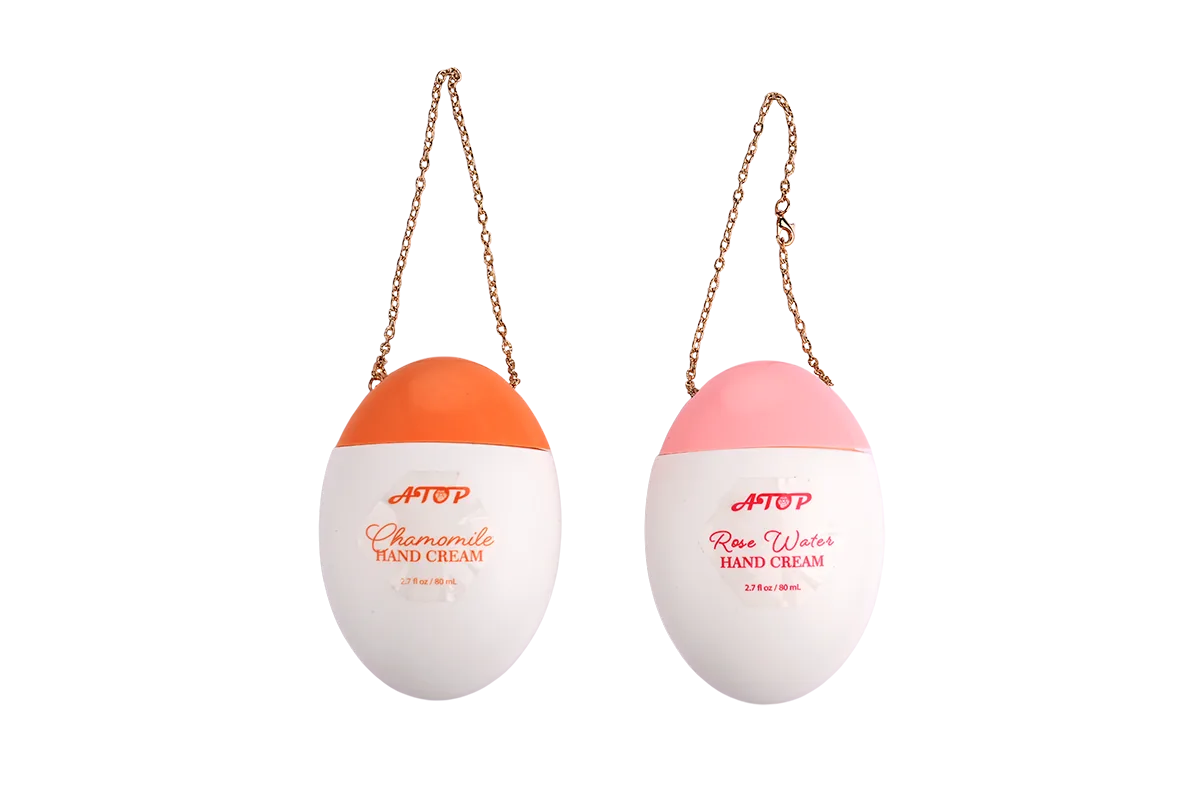
Since established, Lily Bath Commodity Company has delivered hot-selling wholesale skin care and other series of products. We are required to look into the materials suppliers and test the materials, so as to ensure the product quality from the source. We constantly bring technique reform to adjust our configuration, and optimize technical means, so that we can manufacture the products catering to the market demand.
Our customers are satisfied with Lily Bath branded products and services, and they have a feeling and dependence on our brand. For the past years, this brand products are made with the philosophy of treating customers as the highest priority. The art of driving performance and increasing revenue is perfected. Above all, we’ve understood from the beginning that our customers' brands rely on our brand to make a positive first impression, to strengthen relationships and to maximize sales.
At Lily Bath, customers can get wholesale skin care and other products with considerate and helpful services. We provide advice for your customization, helping you get the proper products that meet the need of your target market. We also promise that the products arrive at your place on time and in goods condition.
Are you struggling to find trustworthy wholesale suppliers for your body care products? Look no further! In this article, we will share valuable insights and tips on how to identify reliable wholesale body care suppliers. Discover the key factors to consider when selecting suppliers and ensure the quality and authenticity of your products. Read on to streamline your sourcing process and enhance your business success.- Factors to Consider When Choosing Wholesale Body Care SuppliersWhen starting a beauty or skincare business, finding reliable wholesale body care suppliers is crucial to your success. With so many options out there, it can be overwhelming to choose the right supplier for your needs. In this article, we will discuss the factors to consider when choosing wholesale body care suppliers to ensure that you are getting high-quality products at competitive prices. One of the most important factors to consider when choosing a wholesale body care supplier is the quality of their products. You want to make sure that the products you are selling are safe, effective, and meet the needs of your customers. To ensure quality, look for suppliers that have certifications from reputable organizations, such as the FDA or ISO. You may also want to request samples of the products to test them out yourself before making a larger order. Another factor to consider when choosing a wholesale body care supplier is their pricing. While you want to find a supplier that offers competitive prices, it is important not to sacrifice quality for a lower cost. Do some research to compare prices from different suppliers and make sure that you are getting a good deal for the products you are purchasing. In addition to quality and pricing, you should also consider the range of products offered by the wholesale body care supplier. It is important to work with a supplier that offers a variety of products to meet the needs of your customers. Look for suppliers that offer a range of skincare products, such as lotions, creams, scrubs, and serums, so that you can offer a diverse selection to your customers. Customer service is another important factor to consider when choosing a wholesale body care supplier. You want to work with a supplier that is responsive, reliable, and easy to communicate with. Look for suppliers that have a dedicated customer service team that can answer any questions or concerns you may have in a timely manner. It is also helpful to work with a supplier that offers flexible ordering options and fast shipping to ensure that you can get the products you need when you need them. Lastly, consider the reputation of the wholesale body care supplier before making a decision. Do some research online to see what other customers have to say about their experiences with the supplier. Look for reviews and testimonials from other businesses to get an idea of the supplier's reliability, quality of products, and customer service. In conclusion, choosing a reliable wholesale body care supplier is essential for the success of your beauty or skincare business. By considering factors such as quality, pricing, product range, customer service, and reputation, you can ensure that you are working with a supplier that meets your needs and provides you with high-quality products for your customers. Remember to do your research and take your time in selecting the right supplier to help your business thrive.- Tips for Researching and Evaluating Potential SuppliersWholesale Body Care When it comes to running a body care business, finding reliable wholesale suppliers is essential for success. The quality of the products you offer to your customers can make or break your reputation, so it is crucial to thoroughly research and evaluate potential suppliers before making any commitments. In this article, we will discuss some tips for researching and evaluating wholesale body care suppliers, helping you to identify the best partners for your business. One of the first steps in identifying reliable wholesale body care suppliers is to conduct thorough research. Start by searching online for potential suppliers and reading reviews from other businesses in the industry. Look for suppliers that have a good reputation for high-quality products and excellent customer service. You may also want to consider attending trade shows or industry events to meet potential suppliers in person and see their products up close. When researching suppliers, pay attention to the range of products they offer. A good wholesale supplier should have a wide variety of body care products to choose from, including soaps, lotions, skincare products, and more. This will allow you to offer a diverse selection to your customers and keep them coming back for more. In addition to product range, it is important to consider the quality of the products offered by potential suppliers. Look for suppliers that use high-quality ingredients and ethical manufacturing practices. You may also want to request samples of their products to test for yourself before making any wholesale purchases. Another important factor to consider when evaluating potential suppliers is their pricing and terms. While it may be tempting to choose the supplier with the lowest prices, it is important to remember that quality should always be a top priority. Look for suppliers that offer competitive pricing without sacrificing quality. You should also consider the supplier's payment terms, shipping costs, and minimum order requirements before making a decision. Finally, it is essential to consider the reliability and dependability of potential suppliers. Look for suppliers that have a track record of delivering products on time and in good condition. You may also want to consider the supplier's customer service practices and how they handle any issues or concerns that may arise. In conclusion, finding reliable wholesale body care suppliers is crucial for the success of your business. By conducting thorough research and evaluation of potential suppliers, you can ensure that you are partnering with the best suppliers for your needs. Remember to consider factors such as product range, quality, pricing, and reliability when making your decision. With the right suppliers by your side, you can provide high-quality body care products to your customers and grow your business successfully.- Importance of Checking Supplier Credentials and ReferencesWhen it comes to running a successful body care business, finding reliable wholesale suppliers is crucial. The quality of the products you offer to your customers can make or break your reputation, so it is essential to do your due diligence when selecting suppliers. One of the most important steps in this process is checking supplier credentials and references. Before making any decisions, it is essential to understand the importance of checking supplier credentials and references. This step allows you to verify the legitimacy of the supplier and ensure that the products they offer meet your standards. By doing so, you can avoid potential issues such as receiving subpar products, experiencing delays in shipping, or dealing with unprofessional conduct. When checking supplier credentials, there are a few key things to look for. First and foremost, make sure that the supplier is licensed and certified to sell body care products. This can help you avoid potential legal issues down the line and ensure that the products you receive are safe for use. Additionally, check to see if the supplier has any industry certifications or affiliations that demonstrate their commitment to quality and compliance. Another crucial step in the supplier verification process is checking references. This involves reaching out to past or current customers of the supplier to gather feedback on their experiences. By speaking with others who have worked with the supplier, you can gain valuable insights into their reliability, product quality, and customer service. This information can help you make an informed decision about whether or not to proceed with the supplier. In addition to checking supplier credentials and references, there are other factors to consider when selecting wholesale body care suppliers. For instance, it is important to assess the supplier's product range, pricing, and shipping terms. Make sure that the supplier offers a wide variety of body care products that align with your brand, and that their prices are competitive. Additionally, consider how quickly the supplier can fulfill orders and whether they offer flexible payment terms. In conclusion, checking supplier credentials and references is a critical step in identifying reliable wholesale body care suppliers. By taking the time to verify the legitimacy of the supplier and gather feedback from others, you can ensure that the products you offer are of high quality and that your business runs smoothly. Remember to consider other factors such as product range, pricing, and shipping terms when making your decision. With careful research and due diligence, you can find reputable suppliers that will help your body care business thrive.- Establishing Open Communication with Wholesale Body Care SuppliersEstablishing Open Communication with Wholesale Body Care Suppliers When it comes to running a successful body care business, finding reliable wholesale suppliers is crucial. These suppliers can provide you with high-quality products at competitive prices, helping you to stay ahead in the market. However, identifying trustworthy wholesale body care suppliers can be a daunting task. In this article, we will discuss how you can establish open communication with wholesale body care suppliers to ensure a successful partnership. One of the first steps in identifying reliable wholesale body care suppliers is to research and gather a list of potential suppliers. You can do this by attending trade shows, networking with other industry professionals, or simply conducting a Google search. Once you have a list of potential suppliers, it’s important to reach out and initiate open communication. This can be done through email, phone calls, or even in-person meetings. When communicating with wholesale body care suppliers, it’s important to ask relevant questions about their products, pricing, minimum order quantities, shipping policies, and any other terms and conditions that may be important to your business. Establishing open communication early on can help you build a strong relationship with your suppliers and ensure smooth transactions in the future. In addition to asking questions, it’s also important to listen to what the wholesale body care suppliers have to say. Take note of their responses, feedback, and any suggestions they may have. This can help you better understand their products and services, as well as build a more collaborative partnership. Another key aspect of establishing open communication with wholesale body care suppliers is to be transparent about your business needs and expectations. Whether you are a small startup or an established brand, it’s important to communicate your goals, timelines, and any specific requirements you may have. This will help your suppliers better understand how they can meet your needs and provide you with the best possible service. Furthermore, maintaining open communication with wholesale body care suppliers also involves addressing any issues or concerns that may arise. Whether it’s a delay in shipping, a quality control issue, or any other problem, it’s important to address it in a timely and professional manner. By being proactive and transparent in your communication, you can build trust and credibility with your suppliers, leading to a long-lasting and mutually beneficial partnership. In conclusion, establishing open communication with wholesale body care suppliers is essential for building a successful and profitable business. By asking relevant questions, listening to feedback, being transparent about your needs, and addressing any issues that may arise, you can create a strong relationship with your suppliers and ensure a smooth and efficient supply chain. Remember, communication is key in any business relationship, so make sure to prioritize open and honest communication with your wholesale body care suppliers.- The Benefits of Building Long-Term Relationships with Reliable SuppliersBuilding long-term relationships with reliable wholesale body care suppliers can be extremely beneficial for businesses in the beauty and wellness industry. By establishing a solid partnership with a trusted supplier, companies can ensure a steady supply of high-quality products at competitive prices, streamline their procurement processes, and ultimately boost their bottom line. One of the main advantages of working with reliable wholesale body care suppliers is the assurance of product quality. By choosing suppliers with a proven track record of delivering top-notch products, businesses can be confident that they are offering their customers the best possible products. This not only helps to maintain a positive reputation for the company, but also ensures customer satisfaction and loyalty in the long run. In addition to product quality, building long-term relationships with reliable suppliers can also help businesses save time and money. By working closely with a trusted supplier, companies can negotiate better prices, secure discounts on bulk orders, and reduce the risk of supply chain disruptions. This not only allows businesses to improve their profit margins, but also helps them stay competitive in the market. Furthermore, establishing long-term relationships with reliable suppliers can also lead to better collaboration and communication. By building trust and understanding with their suppliers, businesses can work together to develop new product lines, improve existing products, and address any issues or concerns that may arise. This open and transparent communication can help to strengthen the partnership between the two parties and ultimately drive mutual success. Overall, the benefits of building long-term relationships with reliable wholesale body care suppliers are numerous. From ensuring product quality and saving time and money, to fostering collaboration and communication, businesses stand to gain a lot by investing in strong partnerships with their suppliers. By prioritizing reliability and trustworthiness when selecting suppliers, companies can set themselves up for long-term success in the competitive beauty and wellness industry.ConclusionIn conclusion, identifying reliable wholesale body care suppliers is a crucial step in building a successful business in the beauty industry. By following the tips outlined in this article, such as researching suppliers, requesting samples, and reading reviews, you can ensure that you are partnering with trustworthy and high-quality suppliers. By putting in the time and effort to find the right partners, you can set your business up for long-term success and provide your customers with the best possible products. Remember, the supplier you choose can have a significant impact on the success of your business, so choose wisely.
In today's fast-paced world, consumers are constantly seeking convenience and efficiency in their skincare routines. This has led to the rise in popularity of multi-functional face care products among manufacturers. Discover the reasons behind this trend and how these innovative products can revolutionize your skincare routine in our latest article.- The Convenience of Multi-functional Face Care ProductsAs face care manufacturers continue to innovate and develop new products, one trend that has been gaining popularity in recent years is the creation of multi-functional face care products. These products offer a variety of benefits in one convenient package, making them a popular choice among consumers looking to streamline their skincare routines. One of the main reasons why multi-functional face care products are so popular among manufacturers is the convenience they offer. With busy lifestyles becoming more common, consumers are looking for products that can help them save time and effort in their daily skincare routines. Multi-functional products allow them to achieve multiple benefits – such as cleansing, moisturizing, and protecting the skin – in one simple step. This not only saves time but also makes it easier for consumers to keep up with their skincare regimen. Another key factor driving the popularity of multi-functional face care products is their effectiveness. Manufacturers are constantly researching and developing new ingredients and formulations that can deliver multiple benefits to the skin. By combining these ingredients in one product, they are able to create a powerful solution that addresses multiple skincare concerns at once. From anti-aging to brightening to blemish control, multi-functional products can provide a comprehensive approach to skincare that delivers results. In addition to their convenience and effectiveness, multi-functional face care products are also cost-effective. Instead of purchasing multiple products to address different skincare concerns, consumers can simply invest in one multi-functional product that provides all the benefits they need. This not only saves them money in the long run but also reduces clutter in their skincare routine, making it easier to stay consistent with their regimen. Furthermore, multi-functional face care products are environmentally friendly. By using one product that serves multiple purposes, consumers are able to reduce the amount of packaging and waste generated by their skincare routines. This can have a positive impact on the environment and contribute to a more sustainable approach to beauty and skincare. Overall, the convenience, effectiveness, cost-effectiveness, and eco-friendliness of multi-functional face care products make them a popular choice among manufacturers and consumers alike. As the demand for these products continues to grow, it is likely that we will see even more innovation in this space, with new formulations and technologies being developed to address a wide range of skincare concerns. Face care manufacturers are always looking for ways to improve their products, and multi-functional face care products are a clear example of how they are meeting the evolving needs of consumers in an increasingly fast-paced world.- Cost Efficiency and Sustainability in ManufacturingIn today's fast-paced world, face care manufacturers are constantly seeking innovative solutions to meet the growing demand for cost efficiency and sustainability in manufacturing. One trend that has been gaining popularity among manufacturers is the use of multi-functional face care products. These products offer a wide range of benefits, including cost savings, reduced environmental impact, and increased consumer satisfaction. One of the main reasons why multi-functional face care products have become popular among manufacturers is their cost efficiency. By incorporating multiple benefits into a single product, manufacturers can reduce production costs, packaging costs, and shipping costs. This not only helps manufacturers improve their bottom line but also allows them to offer competitive pricing to consumers. In addition, multi-functional products reduce the need for consumers to purchase multiple products, further enhancing cost savings. Another key factor driving the popularity of multi-functional face care products is sustainability. In today's environmentally conscious society, consumers are increasingly demanding products that are eco-friendly and sustainable. Multi-functional products help manufacturers reduce waste and minimize their carbon footprint by consolidating multiple functions into a single product. This not only benefits the environment but also enhances the brand's reputation as a socially responsible company. Moreover, multi-functional face care products are also popular among manufacturers because they offer convenience and versatility to consumers. With busy lifestyles and limited time, consumers are looking for products that can deliver multiple benefits in one easy step. Multi-functional products such as face creams that also contain sun protection or anti-aging properties are especially popular among consumers who want a simplified skincare routine without compromising on effectiveness. Furthermore, the demand for multi-functional face care products is also driven by technological advancements in formulation and manufacturing processes. With the development of new ingredients and technologies, manufacturers are able to create products that combine multiple benefits without sacrificing performance. This allows manufacturers to meet the diverse needs of consumers while staying ahead of the competition in the highly competitive beauty industry. In conclusion, the increasing popularity of multi-functional face care products among manufacturers is a testament to the industry's commitment to cost efficiency and sustainability. By offering products that are both effective and environmentally friendly, manufacturers are able to meet the evolving needs of consumers while maintaining a competitive edge in the market. As technology continues to advance and consumer preferences shift towards more sustainable options, multi-functional face care products are likely to remain a staple in the beauty industry for years to come.- Meeting Consumer Demand for Versatile Skincare SolutionsIn today's skincare market, face care manufacturers are constantly seeking to meet the evolving needs and demands of consumers. One trend that has gained significant popularity in recent years is the rise of multi-functional face care products. These products offer a diverse range of benefits in a single formula, providing consumers with convenient and versatile solutions for their skincare routines. One of the key reasons why multi-functional face care products have become so popular among manufacturers is the growing demand for versatility in skincare. Consumers are increasingly looking for products that can address multiple skin concerns simultaneously, such as anti-aging, hydration, and brightening. By offering all-in-one solutions, manufacturers are able to cater to these diverse needs and attract a wider customer base. Moreover, multi-functional face care products can also help manufacturers streamline their product lines and reduce the number of individual products they need to develop and market. This can lead to cost savings and increased efficiency in the production process, ultimately benefiting both manufacturers and consumers alike. In addition, the rise of multi-functional face care products can be attributed to the increasing popularity of minimalistic skincare routines. Many consumers are opting for simpler, more streamlined skincare regimens to save time and simplify their daily routines. Multi-functional products offer a convenient way to achieve multiple benefits with fewer steps, making them an attractive choice for busy individuals seeking effective yet straightforward skincare solutions. Furthermore, the demand for multi-functional face care products is also being driven by the rising awareness of sustainability and eco-friendliness in the skincare industry. By combining multiple benefits in a single formula, manufacturers can reduce the overall packaging and waste associated with their products, contributing to a more sustainable approach to skincare. Overall, the popularity of multi-functional face care products among manufacturers can be attributed to their ability to meet the diverse needs and preferences of today's consumers. By offering convenient, versatile, and efficient solutions, these products are reshaping the skincare landscape and providing an innovative approach to addressing a wide range of skin concerns. Face care manufacturers are increasingly recognizing the potential of multi-functional products to stand out in a competitive market and meet the ever-changing demands of skincare consumers.- Innovation and Technology Driving Product DevelopmentIn the ever-evolving world of skincare, innovation and technology have become key drivers in product development for face care manufacturers. These companies are constantly seeking new ways to create multi-functional face care products that cater to the diverse needs of consumers. From anti-aging creams to acne treatments, these all-in-one solutions have become increasingly popular among manufacturers for a variety of reasons. One of the main reasons why multi-functional face care products are so popular among manufacturers is their ability to streamline the skincare routine for consumers. With busy schedules and hectic lifestyles becoming the norm, many people are looking for products that can address multiple skin concerns at once. By offering a single product that can hydrate, protect, and treat the skin, manufacturers are able to provide a convenient solution for customers looking to simplify their skincare regimen. Additionally, multi-functional face care products are often formulated with advanced technologies and ingredients that promise to deliver results. From cutting-edge anti-aging compounds to innovative delivery systems, these products are designed to be highly effective in addressing a wide range of skin issues. By incorporating the latest advancements in skincare science, manufacturers are able to create products that not only deliver on their promises but also set new standards for quality and performance. Furthermore, the rise of social media and influencer marketing has also played a role in the popularity of multi-functional face care products among manufacturers. With beauty influencers and celebrities constantly showcasing their skincare routines online, consumers are increasingly influenced by the products they see being used by their favorite personalities. As a result, manufacturers are under pressure to create products that are not only effective but also aesthetically pleasing and Instagram-worthy. By offering multi-functional products that are visually appealing and trendy, manufacturers can capitalize on the current demand for products that are both functional and fashionable. In conclusion, the popularity of multi-functional face care products among manufacturers can be attributed to a combination of factors, including consumer demand for convenience, the promise of advanced technology and ingredients, and the influence of social media. As the skincare industry continues to evolve, it is likely that we will see even more innovative and technologically-driven products entering the market. For face care manufacturers, staying ahead of the curve and continually pushing the boundaries of product development will be key to success in this competitive and rapidly changing industry.- The Rise of All-in-One Beauty Products in the MarketThe rise of all-in-one beauty products in the market has been a game-changer for face care manufacturers. These multi-functional face care products have become increasingly popular among manufacturers for a variety of reasons. From saving time and money to offering convenience and simplicity, these products are revolutionizing the beauty industry. One of the main reasons why face care manufacturers are leaning towards multi-functional products is the demand from consumers. With busy lifestyles and limited time for elaborate beauty routines, consumers are looking for products that can deliver multiple benefits in one simple step. All-in-one products that combine multiple skincare benefits, such as cleansing, toning, and moisturizing, are highly sought after by consumers who want to streamline their beauty routines. In addition to meeting consumer demand, multi-functional face care products also appeal to manufacturers for their cost-saving benefits. By creating products that combine several skincare benefits in one package, manufacturers can save on production costs and packaging materials. This cost-effective approach not only benefits manufacturers but also allows them to offer competitive pricing to consumers. Furthermore, the rise of all-in-one beauty products in the market has opened up new opportunities for face care manufacturers to innovate and differentiate their brands. With the market flooded with countless beauty products, manufacturers are constantly looking for ways to stand out and attract consumers. Multi-functional face care products offer manufacturers the chance to create unique formulations and packaging designs that set their products apart from the competition. Another significant advantage of multi-functional face care products is their versatility and convenience. These products are designed to address multiple skincare concerns, making them suitable for a wide range of skin types and ages. Whether someone has oily, dry, or sensitive skin, they can find a multi-functional product that meets their specific needs. This versatility makes these products a must-have for consumers who want an all-in-one solution for their skincare routine. In conclusion, the rise of all-in-one beauty products in the market has had a profound impact on face care manufacturers. These multi-functional products are popular among manufacturers for their ability to meet consumer demand, save costs, encourage innovation, and provide convenience and versatility. As the beauty industry continues to evolve, it is likely that we will see even more innovative and multifunctional products emerge to cater to the ever-changing needs of consumers. Face care manufacturers who embrace this trend and continue to develop unique and effective multi-functional products will undoubtedly thrive in the competitive beauty market.ConclusionIn conclusion, multi-functional face care products have become popular among manufacturers for a variety of reasons. Not only do they cater to consumer demand for simplicity and efficiency in their skincare routines, but they also allow companies to innovate and stand out in a competitive market. By offering multiple benefits in one product, manufacturers can appeal to a wide range of consumers and provide solutions for their various skincare concerns. As the skincare industry continues to evolve, it is clear that multi-functional products will remain a staple in the market for years to come. So, next time you're looking for a new addition to your skincare routine, consider opting for a multi-functional face care product that can deliver the results you desire in a convenient and effective manner.
Are you a retailer looking to elevate your skincare offerings? Look no further than our comprehensive Guide to Working with Face Care Manufacturers. This article explores everything you need to know about partnering with face care manufacturers to bring top-quality products to your shelves. From sourcing to packaging, we've got you covered. Keep reading to unlock the secrets to success in the skincare industry.Understanding the Role of Face Care Manufacturers in the Retail IndustryIn the competitive retail industry, having high-quality products that cater to the needs of consumers is essential for success. This is especially true in the beauty and skincare sector, where face care products are in high demand. Understanding the role of face care manufacturers in the retail industry is crucial for retailers looking to establish strong partnerships and offer the best products to their customers. Face care manufacturers play a key role in the production and distribution of face care products. These manufacturers are responsible for developing formulas, sourcing ingredients, and producing a wide range of products such as cleansers, moisturizers, serums, and masks. They work closely with retailers to understand market trends, consumer preferences, and brand positioning to create products that meet the needs of their target audience. One of the primary benefits of working with face care manufacturers is access to expertise and resources that retailers may not have in-house. Manufacturers have a deep understanding of skincare science, formulation techniques, and regulatory requirements, allowing them to create products that are safe, effective, and compliant with industry standards. They also have established relationships with suppliers and vendors, ensuring that retailers have access to high-quality ingredients and packaging materials. In addition to product development, face care manufacturers also play a crucial role in helping retailers bring their products to market. This includes packaging design, labeling requirements, and compliance with regulations such as FDA guidelines. Manufacturers can also provide support with marketing and promotional efforts, helping retailers to effectively promote their products and attract customers. Collaborating with face care manufacturers can also help retailers streamline their supply chain and reduce costs. By outsourcing production to a manufacturer, retailers can benefit from economies of scale and efficiency in production processes. This can result in cost savings that can be passed on to consumers, making products more competitive in the market. When selecting a face care manufacturer to partner with, retailers should consider factors such as reputation, capabilities, and alignment with brand values. It is important to work with a manufacturer who has a track record of producing high-quality products and who can meet the retailer's specific needs and requirements. Communication and transparency are also key factors in a successful partnership, as retailers and manufacturers must work collaboratively to achieve their goals. Overall, understanding the role of face care manufacturers in the retail industry is essential for retailers looking to offer top-notch products to their customers. By collaborating with experienced and reputable manufacturers, retailers can benefit from expertise, resources, and efficiencies that can help them succeed in the competitive beauty and skincare market. Working with face care manufacturers can be a strategic decision that can ultimately lead to increased sales, customer satisfaction, and brand loyalty.Choosing the Right Face Care Manufacturer for Your Retail BusinessIn the competitive world of retail, choosing the right face care manufacturer can make all the difference in the success of your business. With so many options available, it can be overwhelming to decide which manufacturer is the best fit for your retail needs. This guide will provide you with valuable information on how to navigate the process of selecting a face care manufacturer that aligns with your brand and goals. When it comes to choosing a face care manufacturer, there are several factors to consider. The first step is to research and identify potential manufacturers that specialize in skincare products. Look for manufacturers that have a strong reputation in the industry, with a track record of producing high-quality products. Reading customer reviews and testimonials can also give you insight into the manufacturer's reliability and customer satisfaction. Once you have narrowed down your list of potential manufacturers, it's important to consider your specific needs and requirements. Different manufacturers offer a variety of services, from product development and formulation to packaging and labeling. Determine what services are essential for your business and choose a manufacturer that can meet those needs. Additionally, consider factors such as production capacity, lead times, and pricing to ensure that the manufacturer can handle your volume and meet your budget requirements. Communication is key when working with a face care manufacturer. Make sure to have open and transparent communication with the manufacturer throughout the process to ensure that your vision and expectations are clearly understood. Regular updates and check-ins can help to avoid misunderstandings and delays in production. It's also important to establish a timeline and set clear expectations for the project to ensure that both parties are on the same page. Quality control is another crucial aspect to consider when choosing a face care manufacturer. Look for manufacturers that have stringent quality control processes in place to ensure that every product meets your standards and specifications. Ask about the manufacturer's testing procedures and certifications to ensure that their products meet regulatory requirements. In conclusion, choosing the right face care manufacturer for your retail business requires careful consideration and research. By taking the time to evaluate potential manufacturers based on reputation, services, communication, and quality control, you can find a partner that aligns with your brand and helps you achieve success in the competitive skincare market. Remember that the right manufacturer can be a valuable asset to your business, so choose wisely and invest in a partnership that will help your retail business thrive.Establishing Clear Communication Channels with Face Care ManufacturersWhen it comes to partnering with face care manufacturers for retail purposes, establishing clear communication channels is key to a successful collaboration. Face care products are a popular item in the beauty industry, and working closely with manufacturers can help retailers stay ahead of the competition and provide customers with high-quality products. One of the first steps in working with face care manufacturers is to ensure that communication channels are open and effective. This means establishing clear lines of communication from the very beginning of the partnership. Retailers should make sure that they have direct contact information for the manufacturer, whether it be through email, phone, or other means. This way, any questions or concerns can be addressed in a timely manner, leading to smoother operations and a stronger working relationship. Additionally, retailers should make sure that they are clear about their expectations and requirements from the face care manufacturer. This includes outlining any specific product specifications, packaging needs, and delivery deadlines. By clearly communicating these details upfront, retailers can avoid any misunderstandings or miscommunications down the line. Furthermore, it is important for retailers to keep an open dialogue with the face care manufacturer throughout the partnership. This means providing regular updates on sales performance, customer feedback, and any other relevant information that may impact the collaboration. By keeping the lines of communication open, retailers can work together with the manufacturer to address any issues or make improvements to the products as needed. In addition to direct communication with the face care manufacturer, retailers can also take advantage of technology to streamline the collaboration process. Many manufacturers offer online portals or platforms where retailers can place orders, track shipments, and communicate directly with the manufacturer's team. By utilizing these tools, retailers can easily stay organized and informed throughout the partnership. Overall, establishing clear communication channels with face care manufacturers is essential for retailers looking to succeed in the beauty industry. By maintaining open lines of communication, setting clear expectations, and utilizing technology to streamline the collaboration process, retailers can build strong partnerships with manufacturers and provide customers with top-notch face care products. Ultimately, clear communication is the key to a successful and profitable relationship between retailers and face care manufacturers.Negotiating Terms and Contracts with Face Care ManufacturersWhen it comes to working with face care manufacturers, negotiating terms and contracts is a crucial aspect of the partnership between retailers and suppliers. As a retailer looking to stock your shelves with quality face care products, it is important to establish clear communication and expectations with your chosen manufacturer to ensure a successful collaboration. Before entering into any agreements with a face care manufacturer, it is essential to do thorough research and due diligence. This includes identifying potential suppliers, reviewing their product offerings, and evaluating their reputation in the industry. Look for manufacturers that specialize in face care products and have a track record of producing high-quality items that meet your retail standards. Once you have selected a few potential face care manufacturers, the next step is to reach out and initiate discussions about terms and contracts. This is where your negotiating skills will come into play. Start by clearly outlining your requirements and expectations, including pricing, minimum order quantities, lead times, and payment terms. Be prepared to negotiate on these points to reach a mutually beneficial agreement. Pricing is a key factor to consider when negotiating with face care manufacturers. Make sure to discuss pricing structures, including bulk discounts, volume incentives, and payment terms. Keep in mind that while you want to secure a competitive price, you also need to ensure that the quality of the products meets your standards. Minimum order quantities are another important consideration when working with face care manufacturers. This will vary depending on the manufacturer and their production capabilities. Be prepared to negotiate on MOQs to find a balance that works for both parties. It is also important to discuss lead times and turnaround times to ensure that you can meet your retail deadlines. Payment terms are a critical part of any contract negotiation with a face care manufacturer. Be clear on when payments are due, what methods of payment are accepted, and any penalties for late payments. Establishing a reliable payment schedule will help maintain a positive relationship with your manufacturer and ensure a smooth supply chain. In addition to pricing, MOQs, lead times, and payment terms, it is also important to discuss other contract terms, such as exclusivity agreements, quality control processes, and communication protocols. Make sure to include these considerations in your negotiations to avoid any misunderstandings or disputes down the line. Overall, negotiating terms and contracts with face care manufacturers requires open communication, flexibility, and a willingness to find common ground. By taking the time to establish clear expectations and agreements, retailers can build strong partnerships with their suppliers and offer customers high-quality face care products that meet their needs.Building a Successful Partnership with Face Care Manufacturers as a RetailerIn today’s competitive retail landscape, partnering with the right face care manufacturers is crucial for retailers looking to enhance their product offerings and attract a loyal customer base. Building a successful partnership with face care manufacturers requires careful consideration, strategic planning, and open communication. First and foremost, retailers should conduct thorough research to identify reputable face care manufacturers that align with their brand values and target audience. It is important to look for manufacturers that have a strong track record of producing high-quality, effective products that meet industry standards and regulations. Retailers should also consider factors such as the manufacturer’s production capacity, lead times, and pricing policies to ensure a smooth and efficient collaboration. Once retailers have identified potential face care manufacturers, it is essential to establish clear and transparent communication channels to discuss expectations, goals, and timelines. Building a strong relationship with manufacturers is key to ensuring that both parties are on the same page and can work together effectively to achieve mutual success. Regular communication, feedback, and collaboration are essential for fostering trust and understanding between retailers and manufacturers. In addition to communication, retailers should also prioritize product quality and innovation when working with face care manufacturers. Retailers should work closely with manufacturers to develop unique, high-quality products that meet the needs and preferences of their target customers. Collaborating on product development, testing, and packaging can help retailers differentiate their offerings in a crowded market and capture the attention of discerning consumers. Furthermore, retailers should also consider the importance of sustainability and ethical sourcing when partnering with face care manufacturers. Consumers are increasingly prioritizing eco-friendly, cruelty-free products, and retailers should align themselves with manufacturers that share these values. By choosing manufacturers that prioritize sustainability and ethical practices, retailers can not only attract environmentally-conscious consumers but also contribute to positive social and environmental impact. Finally, retailers should be prepared to invest time, resources, and effort into building and maintaining successful partnerships with face care manufacturers. Building a successful partnership takes time and dedication, but the rewards can be substantial in terms of increased sales, brand reputation, and customer loyalty. By following these guidelines and prioritizing collaboration, communication, quality, innovation, and sustainability, retailers can establish strong and successful partnerships with face care manufacturers that drive long-term success and growth in the competitive retail industry.ConclusionIn conclusion, working with face care manufacturers as a retailer can be a highly beneficial and profitable partnership. By understanding the key factors to consider when selecting a manufacturer, establishing clear communication and expectations, and fostering a strong working relationship, retailers can effectively meet the needs and desires of their customers while growing their business. With the right manufacturer by their side, retailers can confidently offer high-quality and innovative face care products to their customers, ultimately leading to increased sales and customer satisfaction. By following this guide, retailers can navigate the process of working with face care manufacturers successfully and set themselves up for long-term success in the beauty industry.
In a world where beauty trends are constantly evolving, the question remains: can a face care manufacturer keep up? With new products and techniques hitting the market at a rapid pace, it is crucial for companies in the beauty industry to adapt in order to stay relevant. In this article, we will explore the challenges and opportunities facing face care manufacturers as they navigate the ever-changing landscape of beauty trends. Join us as we delve into the strategies and innovations that may hold the key to staying ahead in this competitive market.- The Importance of Recognizing Changing Trends in the Face Care IndustryIn today's fast-paced world, the beauty industry is constantly evolving, with new trends and technologies emerging at a rapid pace. For face care manufacturers, staying ahead of these changing trends is crucial to remain competitive in the market. In this article, we will explore the importance of recognizing and adapting to these trends to ensure success in the face care industry. As a face care manufacturer, it is essential to understand the ever-changing preferences and needs of consumers. With advancements in technology and the rise of social media influencers, consumer expectations are higher than ever before. Customers are looking for innovative products that cater to their specific skin concerns and preferences, such as clean beauty, sustainable packaging, and personalized skincare routines. In order to stay relevant in the face care industry, manufacturers must be proactive in identifying and responding to these changing trends. This may involve conducting market research, attending industry events, and collaborating with experts in the field. By staying informed and adaptable, manufacturers can better anticipate consumer demands and adjust their product offerings accordingly. One major trend that face care manufacturers must be mindful of is the increased focus on sustainability and environmental responsibility. With the growing awareness of climate change and the impact of plastic pollution on the environment, consumers are seeking out products that are eco-friendly and ethically sourced. Manufacturers can respond to this trend by utilizing recyclable or biodegradable packaging, sourcing ingredients from sustainable suppliers, and implementing eco-friendly production practices. Another important trend in the face care industry is the emphasis on clean beauty. Consumers are becoming more conscious of the ingredients in their skincare products and are seeking out brands that prioritize natural and non-toxic formulations. Manufacturers can cater to this trend by formulating products with clean ingredients, transparent labeling, and cruelty-free testing practices. Personalization is also a key trend that face care manufacturers should consider. With the rise of personalized skincare solutions, consumers are looking for products that are tailored to their unique skin concerns and goals. Manufacturers can meet this demand by offering customizable options, such as serums or masks that can be mixed and matched to address individual skincare needs. In conclusion, the face care industry is constantly evolving, and it is essential for manufacturers to stay ahead of changing trends in order to remain competitive. By recognizing the importance of sustainability, clean beauty, and personalization, manufacturers can adapt their product offerings to meet the needs and desires of today's consumers. By embracing innovation and staying informed, face care manufacturers can position themselves for success in this dynamic and ever-changing industry.- Strategies for Adapting Products to Meet Evolving Consumer PreferencesIn today's dynamic consumer landscape, where trends and preferences change at lightning speed, it becomes crucial for face care manufacturers to stay relevant by adapting their products accordingly. This article delves into the challenges faced by face care manufacturers in meeting evolving consumer preferences and explores effective strategies to navigate this constantly evolving market. Understanding Evolving Consumer Preferences: Consumer preferences are not static; they are continually influenced by numerous factors such as fashion, lifestyle choices, sustainability concerns, and technological advancements. To adapt, face care manufacturers must stay abreast of these shifting preferences by conducting in-depth market research and consumer surveys regularly. Creating Consumer-Centric Products: To cater to changing trends, face care manufacturers need to focus on creating consumer-centric products. This means developing formulations that align with current demands, such as organic and natural ingredients, cruelty-free and sustainable practices, and targeted solutions for specific skin types or concerns. By offering a wide range of products, manufacturers can cater to diverse consumer preferences and establish themselves as leaders in the industry. Investing in Research and Development: Innovation plays a pivotal role in the success of face care manufacturers. By investing in research and development, manufacturers can proactively identify emerging trends and develop products that are ahead of the curve. Collaborating with dermatologists, scientists, and trend forecasters can help manufacturers gain valuable insights and create novel products that resonate with consumers seeking novel skincare solutions. Adapting Packaging and Branding: Apart from the formulation itself, packaging and branding also play a vital role in attracting consumers. Manufacturers should regularly evaluate their packaging to ensure it aligns with current trends and preferences. This could involve using sustainable materials, minimalistic design, and convenient dispensing methods. Efforts should also be made to communicate brand values effectively through attractive branding that resonates with target consumers. Leveraging Social Media and Influencers: In today's digital era, social media platforms have become influential marketing tools. Face care manufacturers can leverage platforms like Instagram, YouTube, and TikTok to tap into emerging trends and engage with their target audience. Collaborating with popular influencers in the beauty and skincare industry can help manufacturers stay relevant and generate buzz around their products, while also gaining valuable consumer feedback. Engaging in Continuous Consumer Feedback: To adapt effectively, face care manufacturers must actively engage in continuous consumer feedback. This can be done through surveys, focus groups, and social media interactions. By listening to their consumers' needs, concerns, and feedback, manufacturers can make necessary adjustments to their product formulations, packaging, and marketing strategies, ensuring they stay in tune with changing trends and preferences. Adapting to changing consumer preferences is crucial for face care manufacturers to remain competitive and thrive in today's market. By prioritizing consumer-centric product development, investing in research and development, adapting packaging and branding, leveraging social media and influencers, and continuously seeking consumer feedback, manufacturers can effectively align their product offerings with evolving trends. Only by embracing these strategies can face care manufacturers ensure their products remain relevant and in demand in the ever-changing beauty industry.- Leveraging Technology and Innovation to Stay Ahead of CompetitorsIn today’s fast-paced and ever-changing market, face care manufacturers are constantly faced with the challenge of adapting to changing trends in order to stay ahead of their competitors. With the rapid advancement of technology and innovation, it is more crucial than ever for these manufacturers to leverage these tools to not only survive, but thrive in the industry. One of the key ways that face care manufacturers can leverage technology and innovation is through the use of advanced skincare formulations. With the help of technology, manufacturers can now develop products that are more effective and efficient in addressing the various skincare concerns of consumers. This includes utilizing advanced techniques such as molecular biology and biotechnology to develop more potent and targeted ingredients for their products. Additionally, the use of artificial intelligence and machine learning can also help face care manufacturers to analyze consumer data and predict emerging trends in the skincare industry. By harnessing the power of these technologies, manufacturers can gain valuable insights into consumer preferences and behavior, allowing them to stay ahead of the competition by developing products that are tailored to the specific needs and desires of their target market. Furthermore, the rise of e-commerce and digital marketing has also opened up new opportunities for face care manufacturers to reach and engage with their customers. Through the use of social media, online advertising, and targeted email campaigns, manufacturers can create a more personalized and immersive experience for their consumers, ultimately driving brand loyalty and sales. In addition to improving product development and marketing strategies, face care manufacturers can also benefit from the use of automation and robotics in their production processes. By implementing automated systems and robotics, manufacturers can streamline their manufacturing processes, improve efficiency, and reduce the risk of errors, ultimately leading to cost savings and a competitive edge in the market. Moreover, the integration of sustainability practices and environmentally friendly initiatives can also help face care manufacturers to differentiate themselves from their competitors. By embracing sustainable sourcing, eco-friendly packaging, and ethical manufacturing practices, manufacturers can appeal to the growing number of environmentally conscious consumers and gain a competitive edge in the market. In conclusion, face care manufacturers must embrace the power of technology and innovation in order to adapt to changing trends and stay ahead of their competitors. By leveraging advanced skincare formulations, artificial intelligence, e-commerce, automation, and sustainability practices, manufacturers can position themselves as industry leaders and thrive in the ever-evolving skincare market. As the industry continues to evolve, it is imperative for face care manufacturers to embrace these tools and strategies in order to remain relevant and successful in the competitive landscape.- Building Strong Relationships with Customers to Understand Their NeedsIn today's fast-paced and ever-evolving beauty industry, it is essential for face care manufacturers to be able to adapt to changing trends in order to meet the needs and demands of their customers. One of the key ways in which face care manufacturers can do this is by building strong relationships with their customers in order to truly understand their needs and preferences. Building strong relationships with customers is crucial for face care manufacturers as it allows them to gain valuable insights into what their customers are looking for in their skincare products. By taking the time to listen to their customers and understand their needs, face care manufacturers can tailor their products and services to better meet those needs, ultimately leading to increased customer satisfaction and loyalty. In order to build strong relationships with customers, face care manufacturers must first establish trust and credibility. This can be achieved through open and honest communication, transparent business practices, and a commitment to delivering high-quality products that meet the needs of their customers. By demonstrating that they value and respect their customers, face care manufacturers can establish a strong foundation for building long-lasting relationships. Once trust has been established, face care manufacturers can then focus on truly understanding their customers' needs. This involves not only listening to what customers are saying, but also paying attention to their actions, preferences, and feedback. By gathering data and insights from a variety of sources, including customer surveys, focus groups, and social media interactions, face care manufacturers can gain a deeper understanding of their customers' needs and preferences. With this information in hand, face care manufacturers can then use it to inform their product development process. By taking into account customer feedback and preferences, face care manufacturers can create products that better meet the needs and expectations of their target audience. This can help to ensure that their products remain relevant and competitive in an increasingly crowded market. In addition to product development, building strong relationships with customers can also benefit face care manufacturers in other ways. By cultivating a loyal customer base, face care manufacturers can increase customer retention and lifetime value, ultimately leading to greater profitability and market share. Strong relationships with customers can also lead to valuable word-of-mouth referrals and positive reviews, which can help to attract new customers and expand the brand's reach. In conclusion, building strong relationships with customers is essential for face care manufacturers looking to adapt to changing trends in the beauty industry. By listening to their customers, understanding their needs, and tailoring their products and services accordingly, face care manufacturers can position themselves for long-term success and growth. By prioritizing customer relationships and putting their needs first, face care manufacturers can stay ahead of the competition and continue to thrive in an ever-changing market.- The Future of Face Care Manufacturing: Anticipating Trends and Staying RelevantIn today's ever-evolving beauty industry, face care manufacturers must constantly adapt to changing trends in order to stay relevant and meet the needs of consumers. With advancements in technology and shifting consumer preferences, it is crucial for face care manufacturers to anticipate trends and innovate their products to stay ahead of the competition. One of the key trends in the face care manufacturing industry is the rising demand for natural and organic products. Consumers are becoming increasingly conscious of the ingredients in their skincare products and are opting for products that are free from harmful chemicals and artificial additives. As a result, face care manufacturers must prioritize the use of natural and organic ingredients in their products in order to meet the growing demand for clean beauty products. Another important trend in the face care manufacturing industry is the increasing focus on sustainability and eco-friendliness. Consumers are becoming more environmentally conscious and are looking for products that are not only good for their skin but also for the planet. Face care manufacturers can adapt to this trend by using recyclable packaging, reducing their carbon footprint, and implementing sustainable practices throughout the manufacturing process. In addition to these trends, face care manufacturers must also stay ahead of the curve when it comes to advancements in technology. With the rise of social media and digital marketing, manufacturers must leverage these platforms to reach a wider audience and engage with consumers on a more personal level. Additionally, advancements in skincare technology, such as the use of artificial intelligence and machine learning, can help manufacturers develop more effective and personalized skincare products for their customers. As the beauty industry continues to evolve, face care manufacturers must be proactive in anticipating trends and adapting their products and strategies to stay relevant. By staying attuned to consumer preferences, embracing sustainability, and leveraging technology, face care manufacturers can position themselves as industry leaders and meet the ever-changing needs of their customers. Ultimately, the future of face care manufacturing lies in the ability to anticipate trends and innovate in order to stay ahead of the competition.ConclusionIn conclusion, the ability of a face care manufacturer to adapt to changing trends is crucial for success in the ever-evolving beauty industry. By staying informed about the latest consumer preferences, technological advancements, and sustainability practices, manufacturers can position themselves as leaders in the market. It is essential for companies to continuously innovate, listen to customer feedback, and be willing to pivot their strategies in order to stay ahead of the competition. As new trends continue to emerge, staying flexible and adaptable will be key for face care manufacturers to thrive in a rapidly changing landscape.
Are you in the market for a body care manufacturer but unsure of what to expect when it comes to production time? Look no further! In this article, we will walk you through the ins and outs of body care manufacturer production time, so you can make informed decisions for your business. Stay tuned to find out everything you need to know about the production process and how it can impact your timeline!- Overview of Body Care Manufacturer Production TimeBody care is a vital aspect of our daily routines, encompassing various products such as lotions, creams, and scrubs that help maintain the health and appearance of our skin. For those interested in starting their own body care business, understanding the production time involved in manufacturing these products is crucial. In this article, we will provide an overview of the production time you can expect from a body care manufacturer, highlighting key factors that can impact the timeline. Body care manufacturers play a vital role in the production of skincare products, utilizing cutting-edge technology and industry expertise to create high-quality formulations. The production time for body care products can vary depending on several factors, including the complexity of the formulation, the volume of products being produced, and the manufacturing processes involved. One of the key factors that can impact production time is the formulation of the body care products. More complex formulations that require a higher degree of customization and ingredient sourcing may take longer to develop and manufacture. On the other hand, simpler formulations that use readily available ingredients may have a shorter production time. It is essential for body care manufacturers to work closely with their clients to understand their specific product requirements and develop a formulation that meets their needs within the desired timeline. The volume of products being produced is another critical factor that can impact production time. Large-scale production runs may take longer to complete compared to smaller batches, as the manufacturing processes involved are more complex and time-consuming. Body care manufacturers must carefully plan their production schedules to ensure that they can meet the demand for their products while maintaining high quality standards. Additionally, manufacturers may offer expedited production services for clients with tight deadlines, allowing them to receive their products in a shorter timeframe. The manufacturing processes involved in producing body care products can also impact production time. From ingredient sourcing and formulation development to filling, packaging, and labeling, each step in the manufacturing process must be carefully executed to ensure the final product meets quality standards. Body care manufacturers must have stringent quality control measures in place to monitor each stage of production and address any issues that may arise promptly. By streamlining their manufacturing processes and investing in advanced technology, manufacturers can reduce production time and increase efficiency. In conclusion, the production time for body care products can vary depending on the complexity of the formulation, the volume of products being produced, and the manufacturing processes involved. Body care manufacturers play a crucial role in the production of skincare products, utilizing their expertise and resources to create high-quality formulations that meet the needs of clients. By understanding the factors that can impact production time, manufacturers can optimize their production schedules and deliver exceptional products to their customers in a timely manner.- Factors Affecting Production Time for Body Care ProductsBody care products are an essential part of many people's daily routines, encompassing everything from lotions and moisturizers to body washes and scrubs. When it comes to the production of these products, there are a variety of factors that can affect how long it takes to bring them to market. Understanding these factors is crucial for body care manufacturers looking to optimize their production processes and meet the demands of their customers. One of the key factors that can influence production time for body care products is the formulation of the product itself. Creating a new body care product involves extensive research and development to determine the right blend of ingredients to achieve the desired results. This process can be time-consuming, as manufacturers must test and refine their formulations to ensure they are both effective and safe for consumers. In addition to formulation, the sourcing of ingredients can also impact production time. Body care products often contain a variety of natural and synthetic ingredients, each of which must be sourced from reputable suppliers. Delays in ingredient procurement can slow down production, as manufacturers may need to find alternative sources or wait for shipments to arrive. Once the formulation and ingredients are in place, the actual manufacturing process can also affect production time. Body care products are typically produced in large batches, which require specialized equipment and facilities. Manufacturers must carefully plan and coordinate production schedules to minimize downtime and ensure that products are made efficiently and effectively. Quality control is another important factor that can impact production time for body care products. Manufacturers must adhere to strict regulatory guidelines and industry standards to ensure that their products are safe and effective. This may involve testing product samples, conducting stability studies, and performing quality checks throughout the manufacturing process. Any issues or discrepancies that arise during quality control can lead to production delays as manufacturers work to address and resolve them. In addition to these factors, external influences such as market demand and supply chain disruptions can also affect production time for body care products. Manufacturers must be able to adapt to changes in consumer preferences and market trends, while also navigating challenges such as raw material shortages or shipping delays. Overall, the production of body care products is a complex and multifaceted process that requires careful planning, coordination, and attention to detail. By understanding the factors that can affect production time, manufacturers can optimize their processes and ensure that they are able to meet the needs of their customers effectively and efficiently.- Tips for Streamlining the Production ProcessBody care manufacturers play a crucial role in the beauty and wellness industry, producing a wide range of products such as lotions, creams, serums, and scrubs. However, the production process can sometimes be lengthy and complex, leading to delays and inefficiencies. In this article, we will explore some tips for streamlining the production process of body care manufacturers, helping them to meet deadlines and deliver high-quality products to their customers. One of the key factors that can impact the production time of body care manufacturers is the sourcing of raw materials. To streamline the production process, it is important for manufacturers to work closely with their suppliers to ensure a steady supply of high-quality ingredients. By establishing strong relationships with suppliers and maintaining open communication, manufacturers can prevent delays caused by material shortages or quality issues. In addition to sourcing raw materials, another important aspect of streamlining the production process is optimizing the production line. This includes evaluating the workflow and identifying any bottlenecks or inefficiencies that may be slowing down production. By reorganizing the production line, manufacturers can increase efficiency and reduce production time, ultimately improving their overall productivity. Implementing automation and technology can also help streamline the production process of body care manufacturers. By investing in state-of-the-art equipment and software, manufacturers can automate repetitive tasks, improve accuracy, and reduce the risk of errors. This not only speeds up the production process but also ensures consistent quality in the final products. Another tip for streamlining the production process is to implement lean manufacturing principles. This involves minimizing waste, optimizing processes, and continuously improving efficiency. By applying lean principles, body care manufacturers can eliminate unnecessary steps, reduce lead times, and increase productivity, ultimately saving time and resources. Furthermore, proper planning and scheduling are essential for streamlining the production process of body care manufacturers. By creating a production schedule that takes into account all aspects of the production process, including sourcing, manufacturing, packaging, and shipping, manufacturers can better allocate resources, anticipate potential challenges, and ensure timely delivery of products to customers. Lastly, communication and collaboration among different departments within the manufacturing facility are key to streamlining the production process. By fostering a culture of teamwork and open communication, manufacturers can identify opportunities for improvement, address issues promptly, and work together towards common goals. This not only speeds up the production process but also enhances overall efficiency and productivity. In conclusion, by implementing these tips for streamlining the production process, body care manufacturers can optimize their operations, reduce production time, and deliver high-quality products to their customers in a timely manner. By prioritizing efficiency, innovation, and collaboration, manufacturers can stay competitive in the fast-paced beauty and wellness industry, meeting the demands of consumers and achieving success in the market.- Ensuring Quality Control During ProductionWhen it comes to purchasing body care products, consumers want to ensure that they are receiving a high-quality product that is safe and effective. This is where the role of a body care manufacturer comes into play. These manufacturers are responsible for creating the body care products we use on a daily basis, and it is essential that they follow strict quality control measures during the production process. One of the key factors in ensuring quality control during production is the use of high-quality ingredients. Body care manufacturers must source the best ingredients available to ensure that their products are safe and effective. This means working closely with suppliers to ensure that they are providing ingredients that meet the manufacturer's standards. In addition to sourcing quality ingredients, body care manufacturers must also adhere to strict manufacturing processes. This includes following Good Manufacturing Practices (GMP) to ensure that products are produced in a clean and sanitary environment. Manufacturers must also follow strict quality control measures throughout the production process to identify any issues that may arise. Another important aspect of ensuring quality control during production is testing. Body care manufacturers must conduct thorough testing on their products to ensure that they meet safety and efficacy standards. This includes testing for stability, potency, and microbiological contamination. By conducting these tests, manufacturers can ensure that their products are safe for consumers to use. Quality control during production also extends to packaging and labeling. Body care manufacturers must ensure that their products are packaged correctly to prevent contamination and maintain product integrity. Additionally, manufacturers must ensure that their products are accurately labeled with all necessary information, including ingredients, instructions for use, and warnings. Overall, quality control during production is essential for body care manufacturers to ensure that they are providing consumers with safe and effective products. By sourcing high-quality ingredients, following strict manufacturing processes, conducting thorough testing, and ensuring proper packaging and labeling, manufacturers can guarantee the quality of their products. It is important for consumers to look for body care products from manufacturers that prioritize quality control to ensure that they are getting products they can trust.- Final Steps in the Body Care Manufacturing ProcessBody care manufacturers play a crucial role in the beauty and wellness industry by producing a wide range of products designed to promote skin and body health. From lotions and creams to soaps and scrubs, these manufacturers are responsible for creating high-quality products that consumers trust to keep their skin looking and feeling its best. In order to understand the production process of body care manufacturers, it is important to consider the final steps in the body care manufacturing process. Once the initial formula for a body care product has been developed and tested, the final steps in the manufacturing process can begin. These steps involve combining the various ingredients, packaging the product, and preparing it for distribution to retailers and consumers. The final steps in the body care manufacturing process are crucial in ensuring that the product meets quality standards and is safe for use on the skin. One of the final steps in the body care manufacturing process is the mixing and blending of the ingredients. This step involves carefully measuring out each ingredient and combining them in the correct proportions to create the desired product. The ingredients are typically mixed together in large vats or mixers, ensuring that they are thoroughly blended to create a uniform consistency. This step is critical in ensuring that the product is effective and safe for use on the skin. After the ingredients have been mixed and blended, the next step in the manufacturing process is filling and packaging the product. This step involves transferring the product from the mixing vats into the appropriate containers, whether they be bottles, jars, or tubes. The product is then sealed and labeled with important information, such as the ingredients, usage instructions, and expiration date. Packaging is an important step in the manufacturing process, as it not only protects the product from contamination but also helps to attract consumers with visually appealing designs. Once the product has been filled and packaged, the final step in the body care manufacturing process is quality control and testing. This step involves carefully inspecting each batch of product to ensure that it meets quality standards and is safe for use on the skin. This may involve conducting stability tests to determine how the product holds up over time, as well as safety tests to ensure that it does not cause any adverse reactions when used. Quality control is an important aspect of the manufacturing process, as it helps to ensure that the product is of the highest quality and will be well-received by consumers. In conclusion, the final steps in the body care manufacturing process are crucial in ensuring that products are safe, effective, and of the highest quality. From mixing and blending the ingredients to filling and packaging the product, each step plays a key role in creating products that consumers can trust to keep their skin looking and feeling its best. Body care manufacturers play a vital role in the beauty and wellness industry, and the final steps in the manufacturing process are essential in producing products that meet the needs and expectations of consumers.ConclusionIn conclusion, understanding the production time of a body care manufacturer is essential for both the manufacturer and the consumer. By knowing what to expect in terms of timelines, both parties can better plan and optimize their operations. Whether it's allowing enough time for production and shipping or setting realistic expectations for delivery, having a clear understanding of the production process is key. By being informed and prepared, everyone involved can ensure a smooth and efficient process from start to finish. So, next time you consider working with a body care manufacturer, remember to inquire about their production time so you can make informed decisions and enjoy timely delivery of your products.
we welcome custom designs and ideas and is able to cater to the specific requirements. for more information, please visit the website or contact us directly with questions or inquiries.
With deep culture, keep facing future in Beauty & Personal Care field.